



What Is Tongue Tie?
Tongue-tie, or ankyloglossia, occurs when the band of tissue beneath the tongue restricts its movement and may affect its function.
What Might Tongue Tie Look Like?
You may notice that:
- The tissue underneath the tongue looks short or tight
- Your child cannot lift their tongue easily
- Your child has difficulty extending their tongue
- The tip of the tongue appears heart-shaped when lifted or extended
If you’re unsure whether your child’s symptoms could be related to tongue-tie, an assessment can help determine whether their tongue movement is restricted and whether this may be contributing to their symptoms.
Book an AppointmentSigns of Tongue Tie in Babies
Tongue ties may affect babies differently. If you are concerned about your baby’s feeding, some possible signs include:
- Difficulty latching or staying latched during feeding
- Feeding for a long time or needing frequent feeds
- Clicking sounds during feeding
- Milk leaking or dribbling during feeds
- Difficulty gaining weight
- Difficulty lifting or extending the tongue
- A tongue that appears heart shaped when lifted or extended
How Does Tongue Tie Affect Feeding?
The tongue plays an important role in feeding. When its movement is restricted, some babies may have difficulty attaching to or maintaining a latch, transferring milk effectively or feeding comfortably.
However, feeding difficulties are common, and tongue-tie is not always the cause. Some babies may simply need time and support to develop the skills needed to feed effectively.
Book an Appointment with Dr Cheong Yee LingTongue Tie in Older Children
In older children, some concerns may become more noticeable as they grow.
You may notice that your child:
- Has difficulty lifting the tongue
- Cannot easily extend the tongue
- Has difficulty moving the tongue from side to side
- Experiences restrictions during certain activities involving the mouth
- Has concerns relating to tongue movement or speech articulation
Tongue Tie Treatment for Babies and Children

Treatment may be considered when restricted tongue movement is contributing to an ongoing problem.
What Procedures Are Available for Tongue Tie?
The type of procedure will depend on your child’s age, the extent of the tongue restriction, and the specific functional concerns.
Frenotomy is a procedure that releases the tight band of tissue beneath the tongue. It involves making a small cut in the frenulum to allow greater tongue movement.
Frenuloplasty involves a procedure that releases and reshapes the restricted tissue. Stitches may be used to close the area after the release.
The goal of treatment is not simply to identify whether a tongue tie is present, but to understand whether it is affecting your child and whether treatment may help.

Dr Cheong Yee Ling
Nobel Paediatric Surgery Centre, Mount Elizabeth Novena & Gleneagles, Singapore
Qualifications: MBBS (Malaya), MRCSI (Ireland), FAMS (Paediatric Surgery)
Dr. Cheong provides assessment and management for both elective and emergency paediatric surgical conditions. Her areas of practice include abdominal, thoracic, urological, and inguinoscrotal conditions in children.
She has contributed to publications in local and international medical journals and has held teaching appointments at the Yong Loo Lin School of Medicine, National University of Singapore (NUS), and Duke-NUS Medical School.
Insurance panels:
Adept, AIA, Alliance, Bupa, Fullerton, Geoblue, Great Eastern Life, HSBC Life, IHP, iXchange, MHC, Prudential, Singlife
Book an AppointmentClinic Practice Place
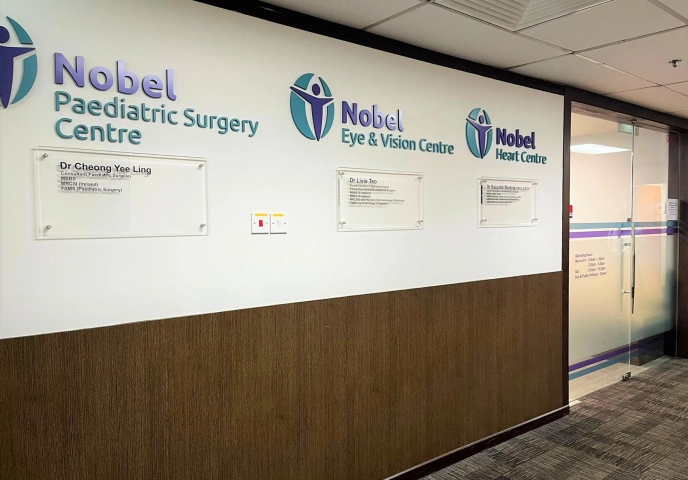
Nobel Paediatric Surgery Centre
(Gleneagles Hospital)
6A Napier Road, Annexe Block Unit #02-37
Singapore 258500
Operating Hours
Mon, Wed, Fri: 08:30 – 13:00 | 14:00 – 17:30
Tues, Thurs, Sun & PH: Closed
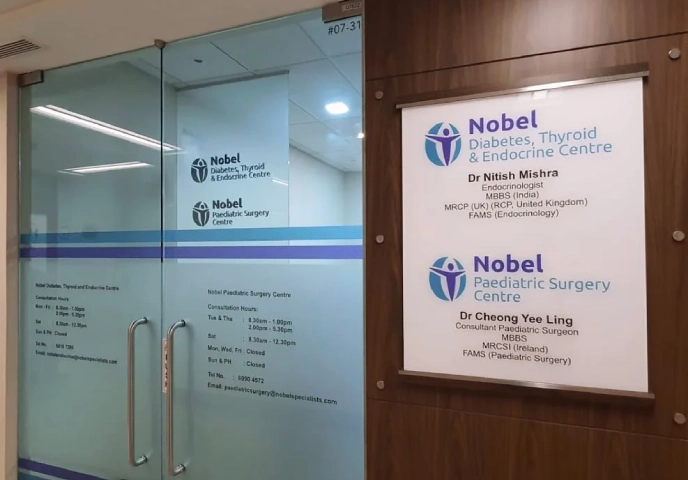
Nobel Paediatric Surgery Centre
(Mount Elizabeth Novena)
38 Irrawaddy Road #07-31
Singapore 329563
Operating Hours
Tues, Thurs: 08:30 – 13:00 | 14:00 – 17:30
Sat: 08:30 – 12:30
Mon, Wed, Fri, Sun & PH: Closed
Frequently Asked Questions (FAQ)
Possible signs include difficulty latching or staying latched, prolonged or frequent feeds, clicking during feeding, milk leaking during feeds, or difficulty gaining weight. You may also notice that your baby has difficulty lifting or extending their tongue.
These symptoms can have other causes, so an assessment is needed to determine whether tongue tie may be contributing.
If tongue-tie is significantly restricting tongue movement, the speech effects tend to involve specific articulation sounds, rather than causing a speech delay.
A paediatric surgeon can assess the anatomy and movement of your child’s tongue and determine whether surgical treatment needs to be considered.
Depending on the symptoms, care may also involve other healthcare professionals, particularly when feeding or speech concerns are present.
Not necessarily. The need for a procedure depends on your child’s symptoms, tongue movement, and whether the restriction is affecting function. A specialist can assess your child and discuss whether monitoring, supportive care or a procedure may be appropriate.
Recovery after tongue-tie surgery is usually relatively quick, particularly in babies. Babies can often resume feeding soon after the procedure.
For older children, a soft, cool diet may be recommended for a few days after the procedure to help with comfort during recovery.
Insurance coverage for tongue tie assessment or treatment depends on your individual insurance plan, policy terms and whether the treatment meets your insurer’s coverage criteria.
If you are planning to use insurance, it is advisable to check your policy coverage with your insurer or the clinic before proceeding with treatment.
The cost of tongue tie assessment and treatment can vary depending on your child’s individual needs, the type of treatment recommended and the hospital or clinic where the procedure is performed.
A consultation is usually the first step to determine whether treatment is needed. The clinic can advise you on the applicable consultation and treatment fees based on your child’s assessment.