


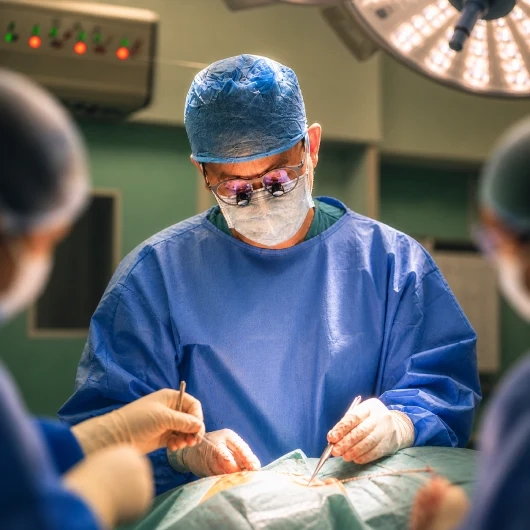
Dr Fung Chak Yuen
Senior Consultant ENT Specialist
MBBS (Singapore), FAMS (Singapore), MRCSI (Ireland), MMed (Otolaryngology, Singapore)
- Senior Consultant ENT Specialist & Head and Neck Surgeon at Nobel Ear, Nose, and Throat Centre, Mount Elizabeth Novena, Singapore
- Accredited ENT specialist with the Singapore Medical Council and Fellow of the Academy of Medicine, Singapore
- Trained at the National University of Singapore (MBBS, Master of Medicine in Otorhinolaryngology)
- Member of the Royal College of Surgeons of Ireland
- Specialises in nasal, sinus, and airway conditions, including sinusitis, nasal obstruction, deviated nasal septum, snoring, and sleep-related breathing disorders
- Fellowship-trained in Facial Plastic and Reconstructive Surgery at Asan Medical Center, Seoul, South Korea
- Advanced focus on functional and aesthetic nasal surgery (rhinoplasty and septorhinoplasty)
- Experienced clinician, educator, and contributor to international ENT publications and conferences
- Visiting Consultant at Tan Tock Seng Hospital
- Insurance Panels: Adept Health, Alliance, IHP, iXchange, Prudential, GE Life
Common ENT conditions treated by
Dr Fung Chak Yuen
Sinusitis & Nasal Allergies
Chronic sinus and allergy issues can cause persistent congestion, facial pressure, and difficulty breathing. Early specialist care helps prevent long-term complications.
Deviated Septum & Nasal Obstruction
Structural issues in the nose can lead to blocked breathing, poor sleep, and reduced quality of life. Treatment focuses on restoring proper airflow.
Snoring & Sleep Apnoea
Snoring may be a sign of underlying airway obstruction during sleep. Proper evaluation can improve sleep quality and overall health.
Hearing Loss & Ear Conditions
From gradual hearing decline to acute ear issues, timely diagnosis is essential for preserving hearing and preventing complications.
Thyroid & Neck Conditions
Assessment and management of thyroid nodules and neck-related conditions with specialist care.
Advanced ENT & Nasal Procedures

With subspecialty training in facial plastic and reconstructive surgery, Dr Fung offers advanced procedures such as:
- Functional Rhinoplasty (breathing-focused nasal correction)
- Septorhinoplasty (structural nasal alignment & airflow improvement)
- Nasal airway surgery
This treatment approach is designed to improve breathing while preserving the nose’s natural structure and overall balance.
Clinic Practice Place
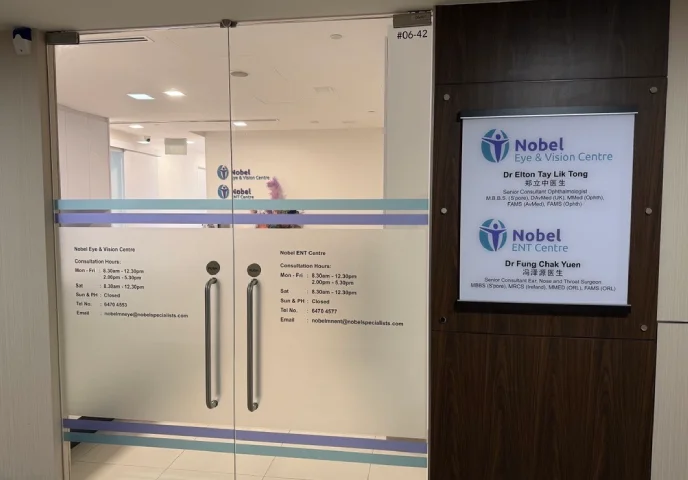
Nobel ENT Centre
(Mount Elizabeth Novena)
38 Irrawaddy Road #06-42 Singapore 329563
Operating Hours
Mon – Fri: 08:30 – 12:30 | 14:00 – 17:30
Sat: 08:30 – 12:30
Sun & PH: Closed
Frequently Asked Questions
You should consider seeing an ENT specialist if you have persistent symptoms such as:
- Nasal blockage
- Sinus pressure
- Snoring
- Hearing loss
- Dizziness
- Throat discomfort that does not improve with basic medication
An ENT (Ear, Nose and Throat) specialist diagnoses and treats conditions affecting the ear, nose, throat, and related areas of the head and neck. This includes sinus infections, nasal allergies, and nasal blockage, as well as hearing and balance disorders. ENT specialists also manage tonsil and adenoid problems, voice and swallowing difficulties, snoring and sleep apnea, facial palsy, and conditions involving the thyroid, salivary glands, and other head and neck structures.
Your first visit typically includes a detailed discussion of symptoms, a physical examination of the ear, nose, and throat, and further diagnostic assessment if required. A personalised treatment plan will then be recommended.
Surgery may be considered when there is significant structural blockage such as a deviated septum, chronic sinus disease, or persistent nasal obstruction that does not respond to medical treatment.
Functional rhinoplasty is a procedure that improves nasal breathing by correcting internal structural issues such as deviated septum or airway narrowing. It is recommended for patients with breathing difficulties caused by nasal structure problems.
Recovery time depends on the type of procedure performed, the extent of surgery, and individual healing response. Most patients are able to resume light daily activities within a few days, while full recovery may take several weeks for more complex procedures.
As a general guide:
- Sinus surgery / functional endoscopic sinus surgery (FESS): around 1–3 weeks for initial recovery, with gradual improvement over several weeks
- Septoplasty or functional rhinoplasty (nasal airway surgery): approximately 2–4 weeks for early recovery
- Snoring or airway-related procedures: usually 1–3 weeks depending on technique used
- Thyroid or neck procedures: typically, 2–4 weeks for routine recovery
- More complex head and neck surgery: recovery may take several weeks to a few months
Your ENT surgeon will provide personalised post-operative instructions, including guidance on wound care, activity level, work return, and travel. Careful adherence to these instructions is important for smooth healing and optimal outcomes.
ENT surgery involves structures in the nose, throat, and neck, so temporary changes in voice or swallowing can sometimes occur depending on the type of procedure performed.
In most cases, these effects are mild and temporary and improve as healing progresses.