

Post-traumatic stress disorder (PTSD) is a mental health condition that may develop after experiencing or witnessing a traumatic event. While it is normal to feel fear, stress, or emotional distress after trauma, PTSD occurs when these reactions persist for weeks or months and begin to interfere with daily life.
PTSD can affect sleep, relationships, work, and emotional wellbeing. It may also impact concentration, mood, and a person’s overall sense of safety.
This condition can affect individuals of all ages, including children and teenagers. Common triggers include accidents, abuse, violence, military combat, medical emergencies, natural disasters, or the sudden loss of a loved one. However, trauma is personal, and individuals may respond differently to similar events.
What Causes PTSD?
PTSD develops after exposure to traumatic or highly distressing events. This may include direct exposure, witnessing trauma, or learning that a traumatic event occurred to a close family member or friend.
Common causes of PTSD include:
- Serious accidents or injuries
- Physical, emotional, or sexual abuse
- Domestic violence
- Childhood trauma or neglect
- Medical trauma
- Pregnancy or birth related trauma
Not everyone who experiences trauma develops PTSD. Several factors may increase the risk, including:
- Repeated or prolonged trauma
- Childhood adversity
- Previous mental health conditions
- Ongoing stress after the event
- Substance misuse
- Family history of anxiety or depression
Research suggests that PTSD may also involve changes in brain function and stress hormone regulation.
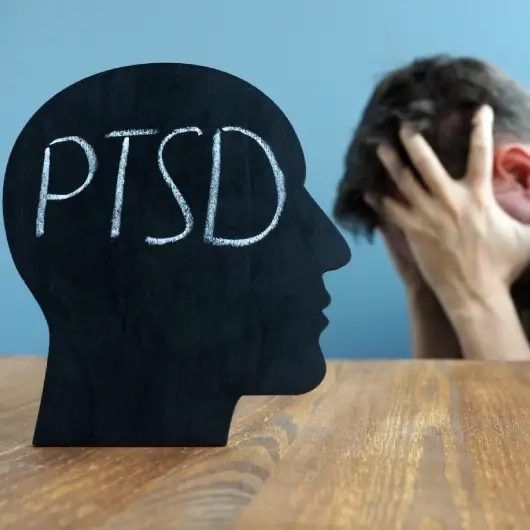
Signs and symptoms of PTSD
PTSD symptoms may appear soon after a traumatic event or develop months later. Some individuals experience symptoms continuously, while others notice them only when triggered.
Common signs and symptoms include:
- Intrusive memories or flashbacks
- Nightmares or sleep disturbances
- Feeling anxious, tense, or constantly on edge
- Avoidance of reminders of the trauma
- Difficulty concentrating
- Emotional numbness or detachment
- Panic attacks or sudden fear
Physical symptoms such as:
- Fast heartbeat
- Sweating
- Headaches
- Muscle tension
- Fatigue
- Stomach discomfort
These symptoms can affect work, relationships, school, sleep, and overall quality of life.
How is PTSD diagnosed?
PTSD should be diagnosed by a qualified healthcare professional, psychologist, or psychiatrist. Diagnosis usually involves:
- Discussing symptoms and medical history
- Understanding the traumatic experience
- Assessing how symptoms affect daily life
- Evaluating the duration and severity of symptoms
- Ruling out physical conditions or other mental health disorders
In general, PTSD symptoms must persist for more than one month and significantly affect daily functioning before a formal diagnosis is made.
Treatment for PTSD
PTSD is treatable, and many people experience significant improvement with the right support and treatment plan. Treatment may include a combination of therapy, medication, lifestyle support, and ongoing mental health care.

1. Psychological therapies for PTSD
Common approaches include:
- Cognitive behavioral therapy (CBT)
CBT helps individuals identify unhelpful thought patterns linked to trauma and gradually develop healthier coping strategies. - Trauma focused CBT
This specialised form of CBT focuses specifically on processing traumatic memories in a safe and structured way. - Eye movement desensitisation and reprocessing (EMDR)
EMDR is a therapy that helps people process traumatic memories while focusing on guided eye movements or other forms of bilateral stimulation. - Exposure therapy
Gradually reduces fear by safely confronting trauma-related triggers. - Group therapy
Support groups and group therapy sessions may help individuals feel less isolated and more understood.
2. Medication
Medication may be prescribed to manage symptoms such as anxiety, depression, or sleep disturbances.
Commonly prescribed medications include:
- Selective serotonin reuptake inhibitors (SSRIs)
- Anti-anxiety medications
- Sleep aids
Medications should always be prescribed and monitored by a healthcare professional.
3. Lifestyle and Self-care strategies
Professional treatment is important, but healthy daily habits can also support recovery.
Helpful strategies may include:
- Maintaining a regular sleep schedule
- Physical activity and exercise
- Mindfulness or relaxation techniques
- Avoiding excessive alcohol or substance use
- Building supportive relationships
- Journaling or creative expression
Recovery is not always linear. Some days may feel more challenging, especially during periods of stress or reminders of the trauma.
Can PTSD be prevented?
Not all cases of PTSD can be prevented. However, certain protective factors may reduce the likelihood of developing long-term symptoms.
These include:
- Early emotional support after trauma
- Access to counselling or therapy
- Strong social support systems
- Healthy coping strategies
- Prompt treatment for anxiety or depression
Seeking help early after a traumatic event does not mean someone is weak, in many cases; early support helps prevent symptoms from becoming more severe.
When Should You Seek Help?
It may be time to seek professional support if symptoms:
- Persist for more than a few weeks
- Affect work, school or relationships
- Cause severe anxiety or panic
- Lead to emotional withdrawal
- Result in substance misuse
- Interfere with sleep or daily functioning
- Cause thoughts of self-harm or hopelessness
Early intervention can improve long term outcomes and reduce the risk of symptoms worsening.
Book an AppointmentFrequently Asked Questions About PTSD
Some people recover within months, while others may experience symptoms for years. Early treatment may improve recovery outcomes.
Yes. Children and teenagers can develop PTSD after traumatic experiences, although symptoms may appear differently from adults.
Some mild symptoms may improve over time. However, persistent PTSD symptoms often require professional support.
Without treatment, symptoms may continue or worsen. Early intervention can significantly improve recovery outcomes.
Yes. PTSD may contribute to headaches, chronic pain, digestive issues, fatigue, cardiovascular stress, and sleep problems. This is because the body remains in a prolonged stress response.
Stress is a natural response that usually improves once a situation ends. PTSD, on the other hand, involves persistent symptoms that continue long after the event and interfere with daily life.
The key difference is duration, intensity, and impact on functioning.
You may consider speaking to a psychiatrist or psychologist. Psychiatrists can assess symptoms, provide diagnosis, and recommend treatment, including therapy or medication if needed. A general practitioner can also be a good first point of contact for initial assessment and referral.