
Constipation is a common digestive condition where bowel movements become less frequent, harder to pass, or feel incomplete.
Most people define constipation as having fewer than three bowel movements a week, but it can also mean straining, pass hard stools, or feel like you haven’t fully emptied your bowels.
Bowel habits vary from person to person. What matters most is a change from your usual pattern, especially if stools become consistently hard, painful, or difficult to pass.
What Causes Constipation?
In most cases, constipation develops when stool moves too slowly through the colon. As it sits there longer, more water is absorbed, making the stool firmer and more difficult to pass.
There isn’t always a single cause. Often, several factors play a role.
1. Lifestyle Factors
Daily routines have a big influence on bowel movement.
- Not eating enough fibre
- Drinking too little water
- Lack of physical activity
- Ignoring the urge to pass stool
- Changes in routine (travel, shift work, stress)
2. Diet-Related Causes
Diet has a direct impact on bowel function. A pattern that is low in fruits, vegetables, and whole grains can lead to harder stools. Diets high in processed foods, dairy, or red meat may also contribute. It’s also worth noting that suddenly increasing fibre without drinking enough fluids can sometimes make symptoms feel worse at first.
3. Medications
Some medications can slow down the bowel or make stools harder.
Common examples include:
- Strong pain medications (especially opioids)
- Antidepressants
- Iron supplements
- Antacids containing calcium or aluminum
- Certain blood pressure medications
4. Digestive and Medical Conditions
Constipation can sometimes be linked to underlying conditions, such as:
- Irritable bowel syndrome (IBS)
- Diabetes
- Thyroid disorders (especially an underactive thyroid)
- Neurological conditions like Parkinson’s disease
- Structural problems in the colon or rectum
- Colorectal cancer (uncommon, but important to rule out in persistent cases)
5. Pelvic Floor Dysfunction
Passing stool involves coordination between muscles in the pelvic floor. If these muscles don’t relax properly, it can make bowel movements difficult. People may experience straining, a sensation of blockage, or a feeling that they haven’t fully emptied their bowels.
6. Hormonal and Body Changes
Hormonal shifts and physical changes can also affect bowel habits. Constipation is quite common during pregnancy due to pressure on the intestines. As people age, gut movement may slow down. Stress can also play a role by affecting the connection between the gut and brain.
Symptoms of Constipation
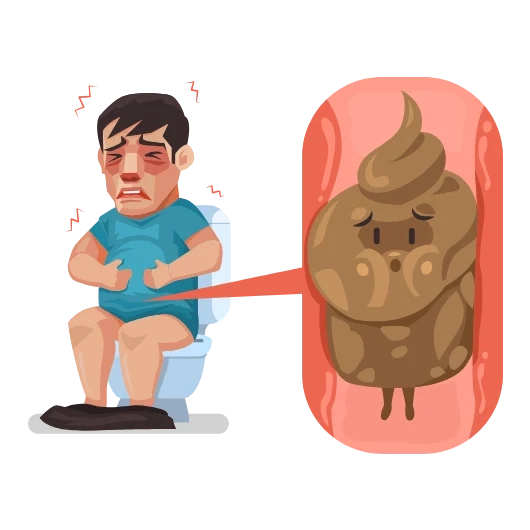
Constipation doesn’t look the same for everyone, but common signs include:
- Fewer than three bowel movements per week
- Hard, dry, or lumpy stools
- Straining or discomfort when passing stool
- A feeling that the bowels haven’t fully emptied
- A sense of blockage in the rectum
Bloating, abdominal discomfort, and reduced appetite can also occur, especially if constipation persists.
When Should You See a Doctor?
Occasional constipation is common and often improves with simple changes. However, it’s worth seeking medical advice if symptoms persist, keep coming back, or feel different from your usual pattern.
You should also get checked if constipation starts to interfere with your daily routine or becomes increasingly uncomfortable.
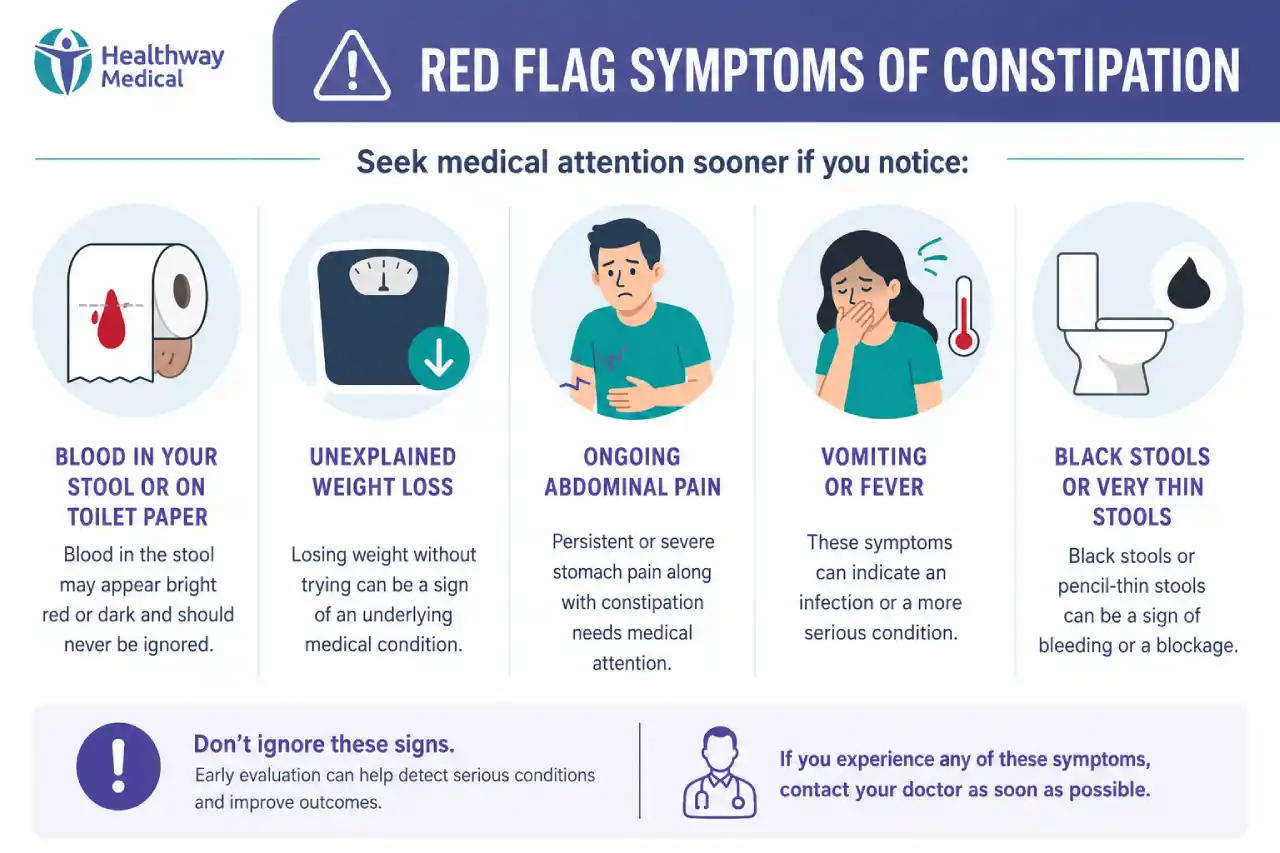
Seek medical attention sooner if you notice:
- Blood in your stool or on toilet paper
- Unexplained weight loss
- Ongoing abdominal pain
- Vomiting or fever
- Black stools or very thin stools
- New onset of Symptoms in patient ≥45 years
- Gastrointestinal cancer in a first-degree relative
How Is Constipation Diagnosed?
Your doctor will usually start with a detailed history and physical examination.
They may ask about:
- Your usual bowel pattern
- Diet and fluid intake
- Medications or supplements
- Lifestyle habits
A physical examination may also be done.
If symptoms are persistent or unclear, further tests may be recommended, such as:
- Blood tests
- Stool tests
- Colonoscopy or sigmoidoscopy
- Imaging (X-ray, CT scan)
- Transit studies (to assess stool movement)
- Pelvic floor function tests
Management of Constipation
1 How to Relieve Constipation
For many people, simple changes can help relieve symptoms:
- Drink more water (at least 1.5–2L daily)
- Eat fiber-rich foods (fruits, vegetables, whole grains)
- Try prunes or high-fiber fruits
- Stay active, even walking helps
- Go to the toilet when you feel the urge
Some people may benefit from short-term use of treatments such as fibre supplements, osmotic laxatives, stool softeners, or mild stimulant laxatives. These should generally be used carefully and not relied on long-term without medical advice.
2 Long-Term Treatment
When constipation becomes ongoing, treatment focuses on identifying and addressing the underlying cause. This often includes:
- Increasing fibre intake (around 18–30g daily)
- Maintaining good hydration
- Reduce highly processed foods
3 Medical Treatments
For ongoing or more severe cases:
- Prescription medications may be used
- Medications causing constipation may be adjusted
- Targeted treatments may be prescribed for IBS or slow gut movement
4 Pelvic Floor Therapy
If pelvic floor dysfunction is involved, specific therapies such as biofeedback and muscle retraining can help improve coordination and make bowel movements easier.
How to Prevent Constipation

A few consistent habits can make a big difference over time:
- Eat a balanced, high-fibre diet
- Drink enough water daily
- Exercise regularly
- Don’t ignore the urge to pass stool
- Maintain a consistent bathroom routine (especially after meals)
Why Constipation Feels Worse Over Time
When stool remains in the colon for longer, more water is absorbed. This gradually makes stools harder and more difficult to pass.
Over time, this can lead to a cycle of increased straining, discomfort, and less frequent bowel movements. Addressing symptoms early can help prevent this pattern from developing.
Book an AppointmentFrequently Asked Questions About Constipation
Short-term constipation may last a few days. Chronic constipation is when symptoms persist for more than three months.
Yes. Normal bowel frequency ranges from three times a day to three times a week. What matters is your usual pattern.
Drinking water, increasing fiber intake, and gentle movement (like walking) can help. Mild laxatives may be used if needed.
For some people, coffee stimulates bowel movement. However, it can also cause dehydration if consumed excessively.
If it’s persistent, painful, or associated with symptoms like bleeding, weight loss, or vomiting, you should seek medical advice.
High-fiber foods such as:
- Fruits (papaya, prunes, apples)
- Vegetables (leafy greens, broccoli)
- Whole grains
- Legumes
Not recommended unless prescribed. Overuse can worsen constipation over time.
If lifestyle changes don’t improve symptoms, or if constipation is persistent or worsening, further evaluation is needed.
Surgery is rarely required and is usually only considered if there is a structural problem, such as a blockage or prolapse.