

Bloating is a common digestive condition that causes a feeling of fullness, tightness, or pressure in the abdomen. In some cases, your stomach may look visibly swollen (distended).
It can feel mildly uncomfortable or quite painful, and it may come and go or happen regularly, depending on the cause.
Not everyone who feels bloated will have a visibly enlarged stomach. Some people experience this sensation because their gut is more sensitive, even when there isn’t a large amount of gas present.
How Common Is Bloating?
Bloating is more common than most people think. Around 10–25% of otherwise healthy individuals experience it from time to time.
It’s particularly common in women, with many noticing symptoms before or during their menstrual cycle. Among people with irritable bowel syndrome (IBS), bloating is even more frequent — reported by up to 90% of patients.
What Causes Bloating?
1. Excess Gas in the Digestive System
The most common cause of bloating is gas produced during digestion.
This usually happens when food isn’t fully broken down and is fermented by bacteria in the gut.
Common triggers include:
- Eating too quickly (which causes you to swallow air)
- Carbonated drinks
- High-fiber foods (especially if introduced suddenly)
- Beans, dairy, wheat, and certain fruits
2. Food Intolerance or Sensitivity
Some people have difficulty digesting specific foods. When these foods aren’t properly absorbed, they ferment in the gut and lead to bloating.
Common examples include lactose intolerance (dairy), fructose malabsorption, and gluten sensitivity.
3. Digestive Disorders
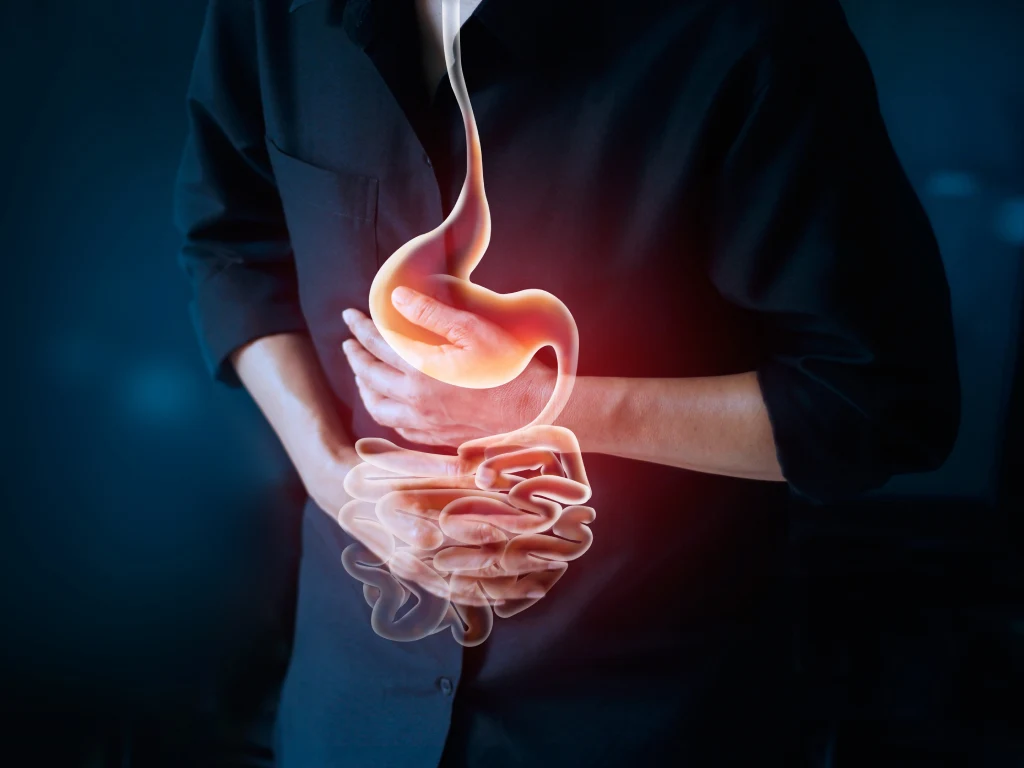
In some cases, bloating is linked to underlying digestive conditions that affect how food moves through your system.
These include:
- Irritable bowel syndrome (IBS)
- Small intestinal bacterial overgrowth (SIBO)
- Gastroparesis (slow stomach emptying)
- Constipation
4. Hormonal Changes
Hormones, especially estrogen and progesterone can influence digestion and fluid balance.
This is why bloating is commonly experienced before or during menstruation. Some people may also notice it during perimenopause.
5. Eating Habits
It’s not just what you eat, but how you eat.
Eating too quickly, overeating, chewing gum frequently, or drinking through a straw can increase the amount of air you swallow. This trapped air can contribute to that uncomfortable, bloated feeling.
6. Digestive Backup
When things aren’t moving smoothly through your gut, it can lead to bloating:
- Constipation
- Slow gut movement (motility issues)
- Bowel obstruction (less common but more serious)
When food or stool builds up, it creates pressure—leading to that bloated feeling.
7. Other Medical Causes (Less Common but Important)
In some cases, persistent bloating may be linked to underlying medical conditions such as:
- Gastritis (inflammation of the stomach lining)
- Infections (e.g. H. pylori)
- Fluid buildup in the abdomen (ascites)
- Pancreatic enzyme deficiency
- Cancers (ovarian, colon, or stomach)
Symptoms of Bloating
Bloating can feel slightly different from person to person, but common symptoms include:
- A feeling of fullness or pressure in the abdomen
- Visible abdominal swelling
- Excess gas (flatulence)
- Frequent burping (belching)
- A tight or stretched sensation in the stomach
In some cases, bloating may come with cramping, abdominal discomfort, or changes in bowel habits such as constipation or diarrhoea.
When Should You See a Doctor?
Occasional bloating is common and usually not a cause for concern. However, it’s worth seeing a doctor if your symptoms:
- Lasts for more than a week and keeps coming back
- Becomes progressively worse
- Is persistent or painful
- New onset of symptoms in patient ≥45 years
- Occurs alongside:
- Fever
- Vomiting
- Blood in the stool
- Unexplained weight loss
- Loss of appetite
How Is Bloating Diagnosed?
Because bloating is a symptom rather than a condition on its own, your doctor will focus on identifying what’s causing it.
Tests may include:
- Blood tests (e.g., gluten intolerance)
- Stool tests
- Breath tests (for lactose intolerance or SIBO)
- Imaging (X-rays, ultrasound)
- Endoscopy or colonoscopy
- Pelvic examination (for women)
Management of Bloating
1 How to Relieve Bloating
If your bloating is mild, a few simple home remedies can often help:
- Drink peppermint or ginger tea
- Go for a short walk
- Try gentle abdominal massage
- Stay hydrated
Some people also find relief with over-the-counter options such as simethicone, antacids, digestive enzymes, or probiotics.
2 Long-Term Treatment for Bloating
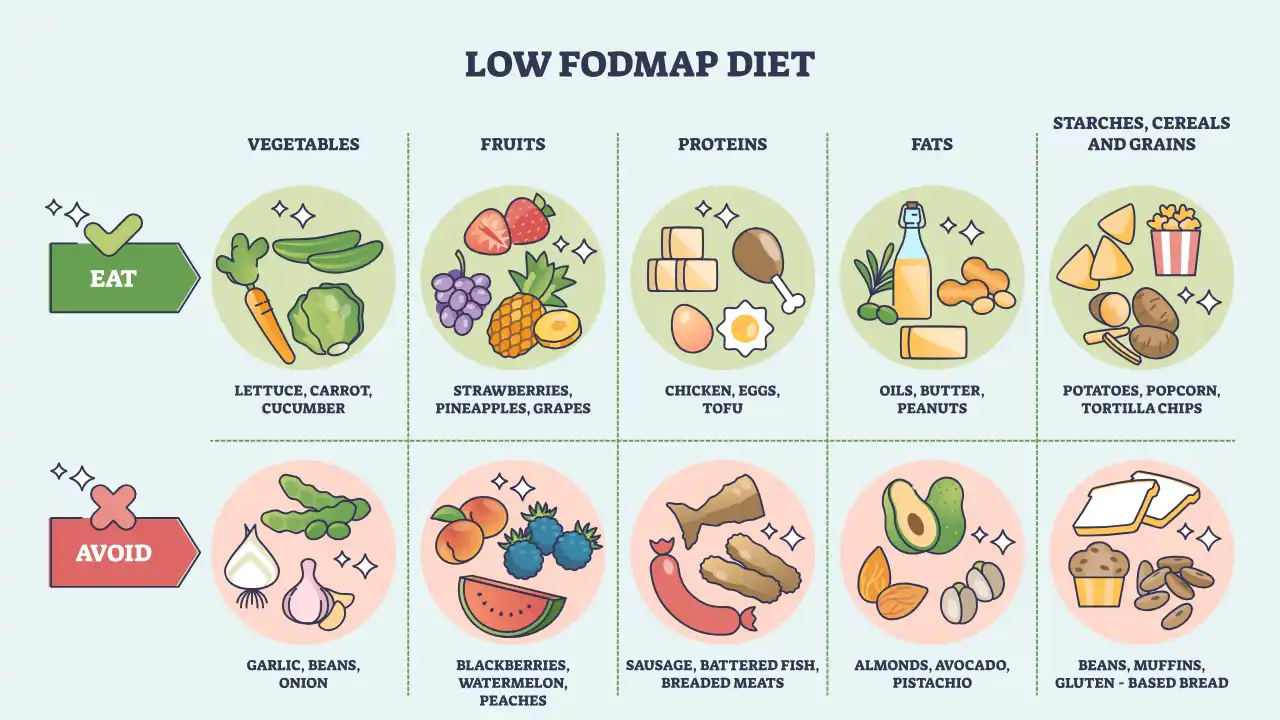
If bloating happens regularly, adjusting your diet can make a big difference:
- Following a low-FODMAP diet
- Identifying and avoiding trigger foods
- Eating smaller meals and slowing down when eating
3 Medical Treatments
Depending on the cause, your doctor may recommend:
- Lactase supplements (for dairy intolerance)
- Prescription medications (for IBS or motility issues)
- Hormonal therapy (for PMS-related bloating)
4 Gut Health Support
Supporting overall gut health can reduce long-term symptoms. This may include probiotics, gradually increasing fibre intake, and, in some cases, magnesium for constipation-related bloating.
How to Prevent Bloating
Simple lifestyle tips:
- Eat slowly (20–30 minutes per meal)
- Avoid carbonated drinks
- Limit processed foods and excess salt
- Stay active (even light walking helps digestion)
- Drink enough water
If bloating keeps happening, it can also be helpful to track what you eat. Keeping a simple food journal often reveals patterns and triggers over time.
Book an AppointmentFrequently Asked Questions About Bloating
It usually lasts from a few hours to a few days. If it’s related to constipation or an underlying condition, it may take longer to resolve.
Most cases are not serious. However, persistent or worsening symptoms should be checked by a doctor.
Yes. Stress can affect digestion and increase gut sensitivity, which may lead to bloating.
Yes. Staying hydrated helps digestion and can prevent constipation, which in turn reduces bloating.
Bloating is a common symptom of irritable bowel syndrome (IBS), especially when accompanied by abdominal pain and changes in bowel habits such as diarrhea or constipation. However, not all bloating is due to IBS.
Some people experience bloating due to increased gut sensitivity, also known as visceral hypersensitivity.
This means:
- You may feel bloated even when gas levels are normal
- It is often linked to IBS or stress-related gut-brain interactions
You can start with a GP if your symptoms are mild or occasional. A GP can assess your condition, recommend initial treatment, and refer you to a specialist if needed.
If your bloating is frequent, persistent, or affecting your daily life, seeing a gastroenterologist directly may help you get a faster and more detailed evaluation.