
Ptosis, also known as droopy eyelid, occurs when the upper eyelid falls lower than its normal position. This can affect one or both eyes and may partially or completely cover the pupil, potentially interfering with vision.
Ptosis can occur at any age and may develop gradually or suddenly. In addition to affecting appearance, it can sometimes cause eye strain, fatigue, or vision obstruction.
Causes of Ptosis
Ptosis happens when the muscles, nerves, or structures that lift the eyelid do not function properly. It may be present at birth or develop over time.
There are several possible causes of ptosis, including:
1. Congenital Ptosis
Congenital ptosis is present at birth and occurs when the eyelid lifting muscle does not develop properly.
Children with congenital ptosis may have:
- One or both eyelids drooping since birth
- Difficulty opening the eye fully
- A risk of developing amblyopia (lazy eye) if the eyelid blocks vision
Early evaluation is important because untreated ptosis in children may affect visual development.
2. Acquired ptosis
Acquired ptosis develops later in life and is more common in adults.
Some common causes include:
- Age related and degenerative muscle changes
As people age, the levator muscle can stretch or weaken. This is one of the most common causes for ptosis. Wearing contact lenses daily for several years can also weaken the eyelid muscles and result in ptosis. - Nerve conditions
Certain nerve problems can affect the muscles responsible for lifting the eyelid. E.g third cranial nerve palsy, myasthenia gravis. - Eye injury or surgery
Trauma to the eye area or previous eye procedures may weaken the eyelid muscles. The muscle can be stretched and weakened after eye surgery e.g cataract and retina surgery. - Muscle disorders
Some medical conditions affecting muscles can lead to eyelid drooping e.g. myotonic dystrophy. - Tumors or growths
In rare cases, lumps or swelling in the eyelid can weigh the eyelid down.
As the cause of ptosis varies from person to person, a consultation and clinical examination is necessary to determine the underlying reason.
Signs and Symptoms of Ptosis
Ptosis can cause noticeable changes in the eyelid and sometimes affect vision. Common signs and symptoms include:
Drooping upper eyelid
The upper eyelid sits lower than normal and may affect one or both eyes.
Eyelid covering part of the pupil
In more severe cases, the drooping eyelid may partially block vision.
Difficulty keeping the eye open
Some people may feel the need to consciously lift their eyelids or raise their eyebrows to see clearly.
Eye fatigue
The muscles around the eyes and forehead may become strained from trying to lift the eyelids. This can lead to periorbital ache and headache.
Raised eyebrows or forehead tension
People with ptosis may raise their eyebrows to compensate for drooping eyelids. The forehead can develop excessive crease lines from the extra effort required to keep the eyelids open.
Head tilting to see better
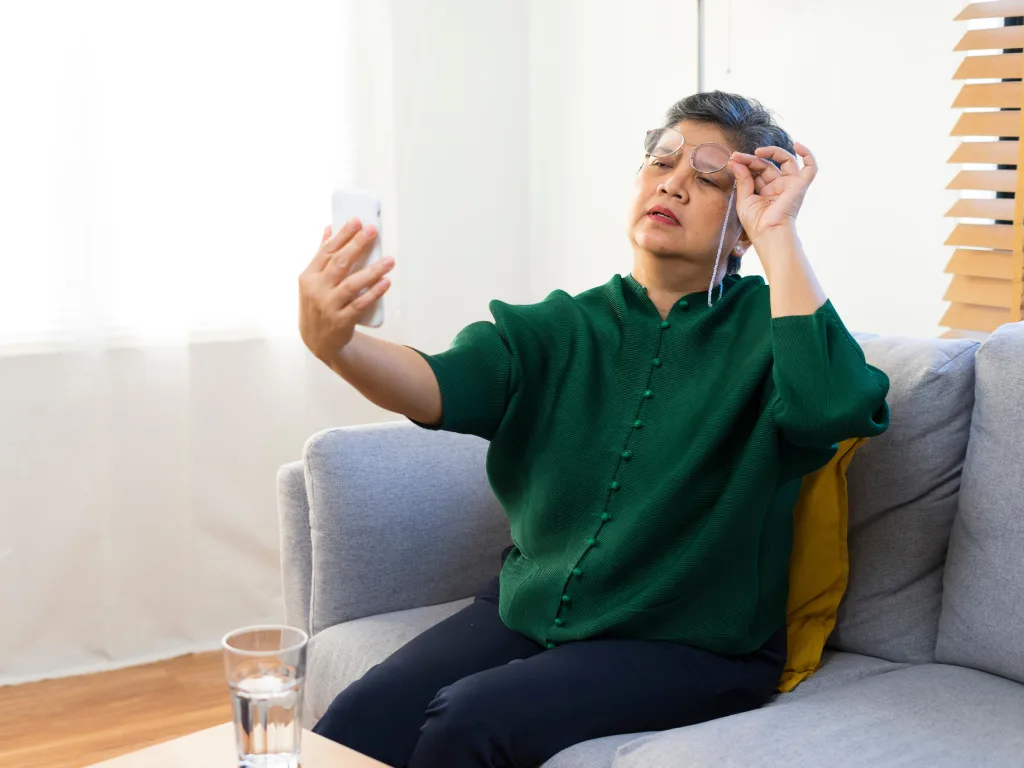
Some individuals tilt their head backwards and adopt a chin up posture to improve their fields of vision.
Important: Sudden onset, rapidly worsening drooping eyelid or vision changes should prompt urgent medical evaluation.
Risk Factors
Factors that may increase the likelihood of developing ptosis include:
- Aging (weakening of eyelid muscles over time)
- Prolonged contact lens wear
- Frequent eye rubbing or pulling on the eyelids
- Family history of congenital ptosis
- Neurological conditions (e.g., myasthenia gravis)
- Eye injuries or previous eyelid surgery
- Certain medical conditions affecting nerves or muscles
How Is Ptosis Diagnosed?
Ptosis is diagnosed through a comprehensive eye exam:
- Review of your medical history and symptom onset
- Measurement of eyelid droop and muscle function
- Vision tests and evaluation of eye movements
- Pupil response checks to assess for nerve-related causes
- Additional tests may be done to identify underlying conditions and the severity of the ptosis
A proper diagnosis ensures that treatment is tailored to the individual.
Treatment Option
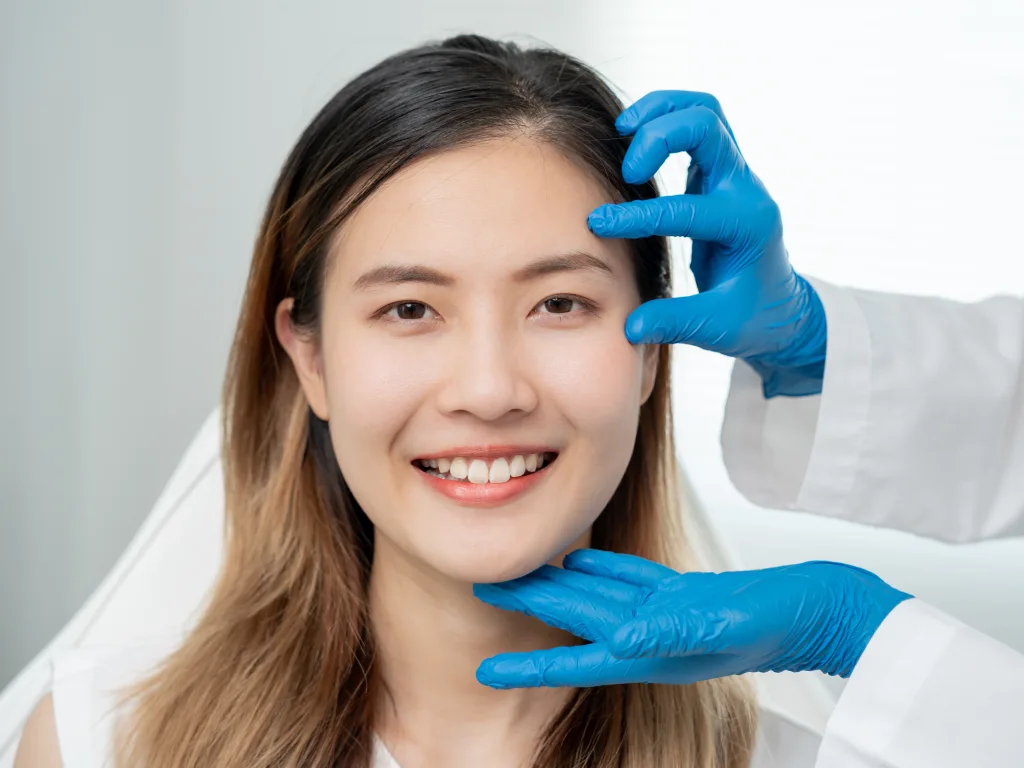
Treatment depends on severity and underlying cause:
Non-surgical Management
- Mild cases may simply be monitored if vision is unaffected
- Special glasses with eyelid crutches may help in some situations
- Eyelid tape and glue can help
- Eyedrops can be used to stimulate and lift the eyelid
Surgical Treatment
- Ptosis surgery is often the most effective option
- In children, early intervention may be necessary to prevent vision development problems
Treating Underlying Conditions
- Neurological or muscular causes may improve with management of the underlying condition
Prevention and Eye Care Tips
While not all ptosis can be prevented, you can reduce risk by:
- Protecting eyes from injury (e.g., safety glasses)
- Managing underlying medical conditions proactively
- Scheduling regular eye check-ups, especially if eyelid drooping develops
- Avoiding habits that strain eyelid muscles
- Avoid eye rubbing
- Gentle insertion and removal of contact lenses without stretching on the eyelid
- Gentle makeup and skincare applications. Avoid pulling or stretching the delicate eyelid skin and muscles
When should you see the doctor?
You should consider seeing a doctor if you notice:
- A sudden droopy eyelid, especially if it appears overnight
- Drooping that affects only one eye
- Changes in your vision, such as blurriness or double vision
- Difficulty keeping your eyes open throughout the day
- A feeling of heaviness that is getting worse over time
Even mild symptoms deserve assessment. Early evaluation helps determine whether ptosis is age-related or linked to a medical condition and guides appropriate treatment.
Book an AppointmentFrequently Asked Questions About Ptosis
It can, especially in more severe cases. When the eyelid covers part of the pupil, it may block your upper field of vision and lead to eye strain over time.
If it is mild and stable, monitoring may be enough. However, if it worsens, affects your vision, or appears suddenly, it is important to seek medical advice.
Most cases, especially age-related or muscle-related ptosis, do not resolve spontaneously. Treating an underlying condition may help in some cases.
The procedure is usually done under local anesthesia, so there is no pain during surgery. Afterwards, you may experience mild discomfort or swelling, which typically settles within a few days.
Initial recovery takes about one to two weeks. However, full healing and final results can take several weeks to a few months.
If you notice persistent or sudden drooping, it is best to consult a doctor experienced in eye conditions. In Singapore, centre’s such as Nobel Eye & Vision Centre provide assessment and treatment for ptosis, helping determine whether it is cosmetic or linked to an underlying medical issue.
Our Specialist

Dr Elton Tay Lik Tong
Senior Consultant Ophthalmologist Dr Elton Tay, Senior Consultant Ophthalmologist, specialises in cataract, glaucoma, retinal diseases, dry eyes, and aviation-related eye conditions, with a focus on medical, laser and surgical glaucoma treatment.
Dr Livia Teo
Senior Consultant Ophthalmologist Dr Livia Teo, Senior Consultant Ophthalmologist, specialises in cataract, glaucoma, retina conditions, dry eyes, and oculoplastics, including eyelid disorders, orbital conditions, and lacrimal surgery.Available at

Nobel Eye & Vision Centre (Gleneagles Hospital)

Nobel Eye & Vision Centre (Mount Elizabeth Novena)