

Dry eyes occur when your eyes do not produce enough tears, or the tears evaporate too quickly. Tears are essential to keep your eyes lubricated, nourished, and protected. Without sufficient tear production, your eyes may feel irritated, gritty, or sensitive to light.
Dry eyes can affect anyone, but they are more common in older adults, people who spend long hours in front of screens, and those with certain medical conditions.
Causes of Dry Eyes
Dry eyes can result from multiple factors, including:
- Reduced tear production:
- Aging
- Medical Conditions like Sjögren’s syndrome or thyroid disorders
- Increased tear evaporation
- Meibomian gland dysfunction
- Environmental factors such as wind, air conditioning, or dry climates
- Poor tear quality: Imbalance in the tear layers (oil, water, mucus)
Other contributing factors may include:
- Blepharitis (eyelid inflammation)
- Eye surgeries, including LASIK
- Certain medications (antihistamines, antidepressants, blood pressure medicines)
Symptoms of Dry Eyes
Symptoms can vary, but common signs include:
- Dryness or discomfort
- Gritty, sandy, or burning sensation
- Redness or stinging
- Blurred or fluctuating vision
- Sensitivity to light
- Eye fatigue, especially after screen use
- Stringy mucus around the eyes
- Excessive tearing (reflex response to dryness)
- Contact lens discomfort
Symptoms may worsen in air-conditioned rooms, windy environments, or during prolonged digital device use.
Risk Factors for Dry Eyes
Several factors can increase the likelihood of developing dry eyes. These include:
- Ageing
- Hormonal changes, especially in women
- Frequent or prolonged screen use
- Contact lens wear
- Air conditioning, fans or dry environments
- Eyelid inflammation or meibomian gland dysfunction
- Previous eye surgery, including laser vision correction
- Certain medications, such as antihistamines, antidepressants and some blood pressure medicines
- Medical conditions such as autoimmune disorders
Because dry eye can have more than one cause, an accurate assessment is important before treatment is started.
How are Dry Eyes Diagnosed?
Dry eye is diagnosed through a comprehensive eye exam. In addition to asking about your symptoms, your eye specialist may assess the quality and quantity of your tears, the condition of your eyelids, and the health of the eye surface.
Depending on your condition, assessment may include:
- Review of symptoms and lifestyle factors
- Examination of the eyelids and tear film
- Tests to measure tear production
- Tests to assess how quickly tears evaporate
- Evaluation of inflammation or damage on the surface of the eye
This is important because symptoms alone do not always show the full picture. For example, two people may both complain of dry eyes, but one may have poor tear production while the other has tear evaporation linked to eyelid gland problems. As a result, treatment should be tailored to the cause.
How are Dry Eyes treated?
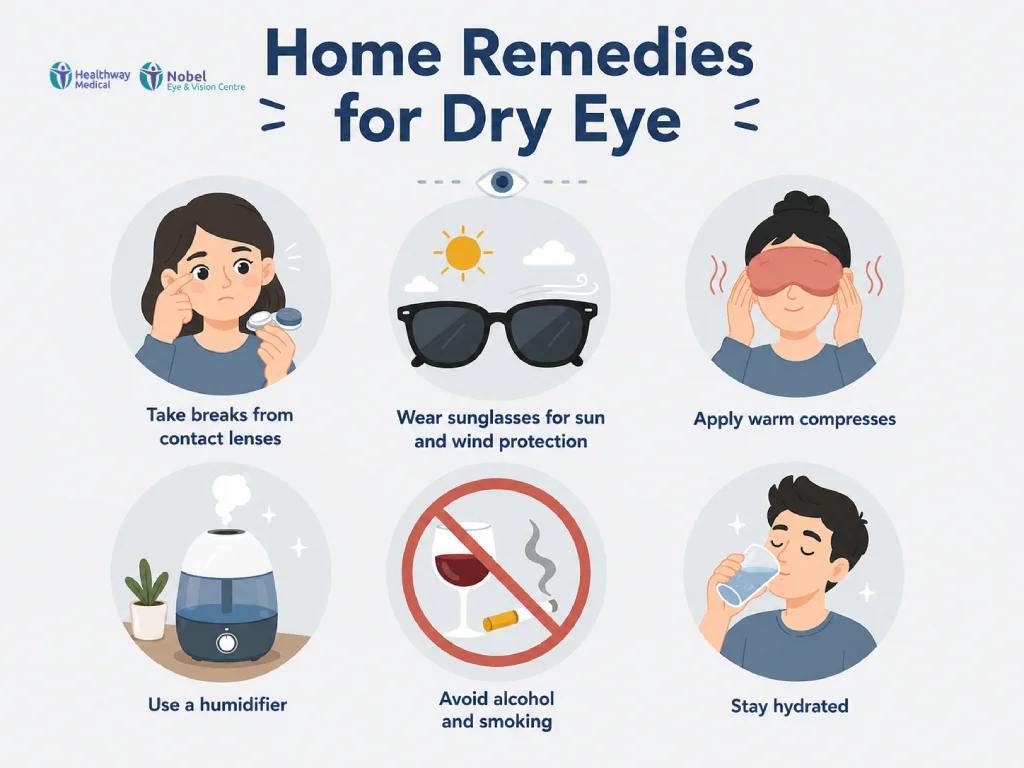
Dry eye is often influenced by how we live and work each day. While treatment is important, making a few conscious adjustments can help reduce discomfort and prevent symptoms from worsening.
Take breaks during screen time
When focusing on digital devices, we tend to blink less. Over time, this can cause tears to evaporate faster. Try to rest your eyes regularly and look away from your screen at intervals. You can observe the 202020 rule: take a break from near work after 20 minutes to look 20 feet away for 20 seconds.
Blink more consciously
It may sound simple, but blinking helps spread tears evenly across your eyes. If your eyes feel tired or your vision fluctuates, it may be a sign that you are not blinking enough.
Use warm compresses
Applying a warm compress can help improve the flow of oils in your tear film, which reduces evaporation and supports better eye lubrication.
Stay well hydrated
Your body needs adequate hydration to produce tears effectively. Drinking enough water, while limiting alcohol intake, can support tear production.
Protect your eyes outdoors
Wearing sunglasses can reduce exposure to wind, dust and sunlight, all of which can worsen dryness.
Create a more eye-friendly environment
Air conditioning and dry indoor air can aggravate symptoms. Using a humidifier or avoiding direct airflow to your face may help.
Give your eyes a break from contact lenses
If you wear contact lenses, try not to use them for extended periods. Alternating with glasses can reduce strain and dryness.
Avoid smoke exposure
Smoking and secondhand smoke can irritate the eyes and affect tear stability, making symptoms worse.
Treatment Option
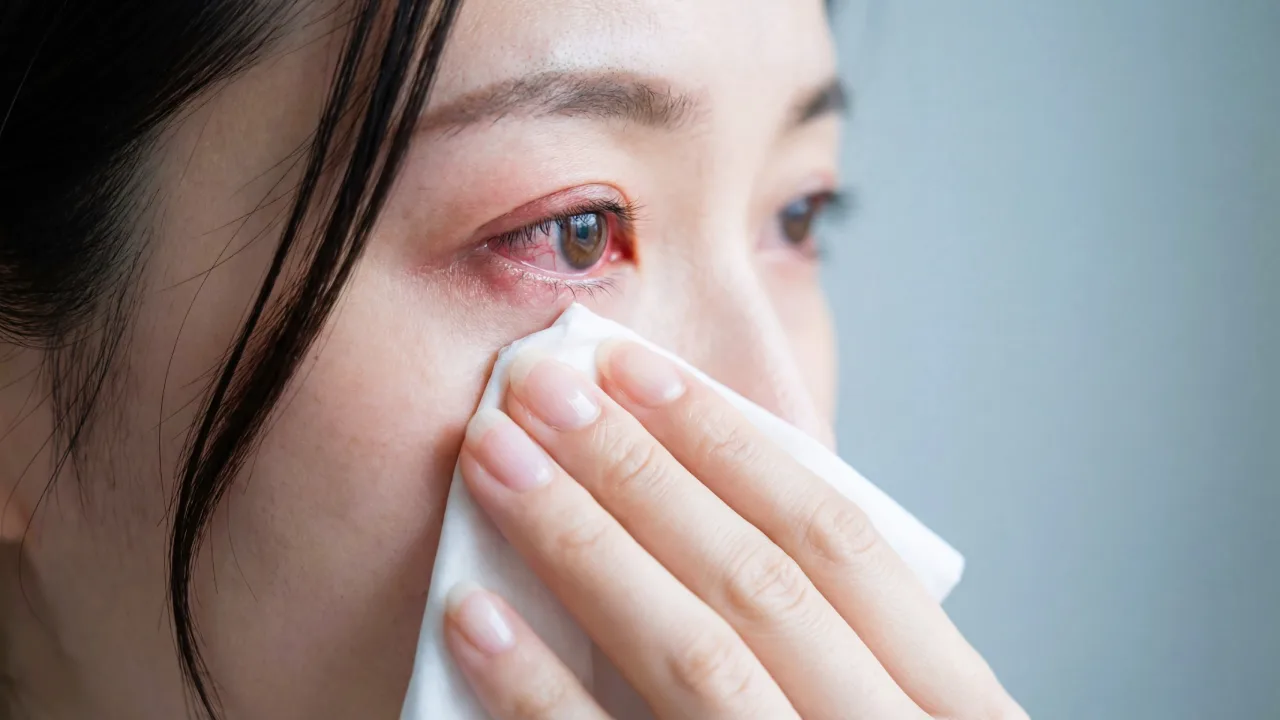
Dry eye treatment depends on the severity of your symptoms and any underlying causes. In some cases, a combination of treatments may be needed to achieve lasting relief.
Treatment options may include:
Lubricating eye drops
Artificial tears help soothe and hydrate the eyes and are commonly used for symptom relief.
Ointments
Thicker lubricants may be used at night if symptoms worsen during sleep.
Punctal occlusion
This procedure of plugging the eyelid drainage tear holes helps retain tears on the eye surface, especially if tear production is low.
Scleral lenses
Specialised lenses that protect the eye surface, improve moisture, and correct vision.
Medications
Certain medications may help stimulate tear production or reduce inflammation.
Adjunct therapies
Options such as acupuncture may provide additional symptom relief for some individuals.
Surgical options
In selected cases, procedures may be recommended to correct eyelid issues or reduce tear evaporation.
When You Should See an Eye Specialist
Consult a specialist if you experience:
- Persistent or worsening dry eye symptoms
- Blurred or fluctuating vision
- Red, painful, or light-sensitive eyes
- Contact lens discomfort
- Symptoms affecting daily activities
Early assessment ensures better outcomes and relief.
Book an AppointmentFrequently Asked Questions About Dry Eyes
If left untreated, chronic dry eyes can lead to eye surface damage, discomfort, and difficulty performing daily tasks. Early detection and treatment reduce the risk of long-term problems and help maintain clear, comfortable vision.
Yes, reduced blinking during screen use can cause tears to evaporate faster, making symptoms worse.
Treatment depends on the cause and may include lubricating eye drops, lifestyle adjustments, or medical treatments recommended by a doctor.
You can reduce your risk by taking regular screen breaks, staying hydrated, and avoiding overly dry or windy environments.
If you are experiencing persistent dry eye symptoms, it is advisable to consult an eye specialist in Singapore for a proper evaluation. At Nobel Eye & Vision Centre Singapore, our ophthalmologists assess the underlying cause of dry eyes and provide personalised treatment to help relieve discomfort and protect your long-term eye health.
Available at

Nobel Eye & Vision Centre (Gleneagles Hospital)

Nobel Eye & Vision Centre (Mount Elizabeth Novena)