
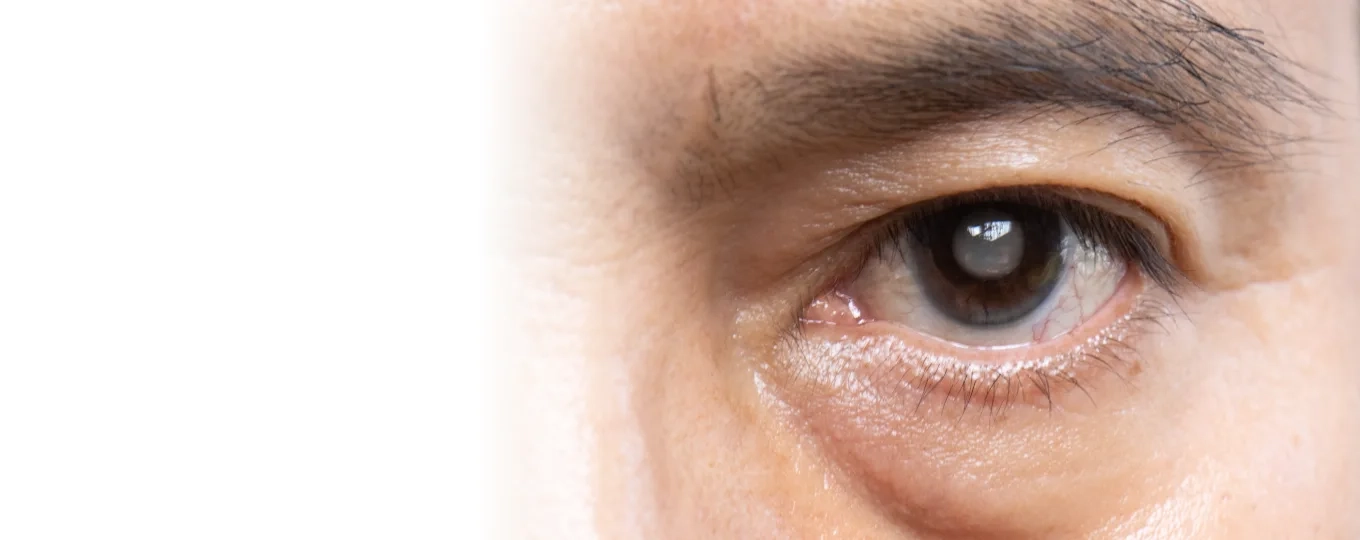
Blurred vision, glare from lights or difficulty seeing clearly at night can make everyday activities increasingly frustrating. If these changes are caused by a cataract, and glasses are no longer providing enough improvement, cataract surgery may be considered.
At Nobel Eye & Vision Centre in Singapore, cataract assessment and surgery are provided by our ophthalmologists. Cataract surgery removes the cloudy natural lens of the eye and replaces it with a clear artificial lens, known as an intraocular lens or IOL.
What Are Cataracts?
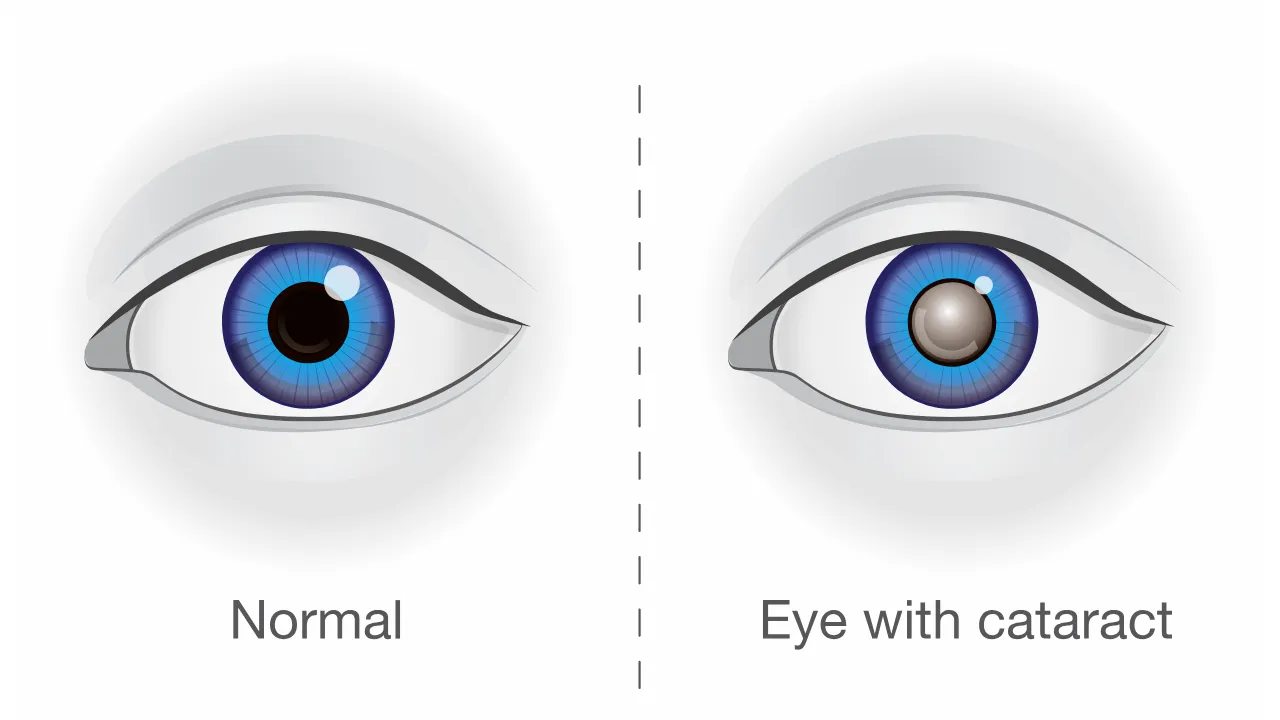
Cataracts are one of the most common eye conditions worldwide, especially among older adults. They occur when the natural lens inside the eye becomes cloudy, affecting how light passes through and reaches the retina.
This clouding can make vision appear blurry, dim, or hazy, often described as looking through a fogged or frosted window. Cataracts usually develop slowly over time, which means many people do not notice the early changes in their vision.
Although cataracts can affect daily life, they are highly treatable. With modern cataract surgery, most people can regain clear vision safely and effectively.
What Causes Cataracts?
The most common cause of cataracts is natural aging. As we grow older, the proteins in the eye’s lens gradually break down and clump together, leading to clouding.
However, cataracts can also develop earlier due to other factors. Medical conditions such as diabetes, long-term use of steroid medications, previous eye injuries, or eye surgeries can increase the risk. Extended exposure to ultraviolet (UV) light without eye protection may also contribute.
In some cases, cataracts may be present at birth or develop during childhood due to genetic conditions or infections during pregnancy.
What Is Cataract Surgery?
Cataract surgery is an operation that removes this cloudy natural lens and replaces it with an artificial intraocular lens (IOL).
Surgery is the only way to remove a cataract, but not everyone with a cataract needs surgery immediately. The timing usually depends on how much the cataract affects your vision and daily activities.
When Should Cataract Surgery Be Considered?
An early cataract that causes little difficulty may sometimes be managed temporarily with updated glasses, better lighting or other adjustments.
Your ophthalmologist may discuss cataract surgery when changes to your vision begin interfering with activities such as reading, working, recognising faces or driving.
Signs that it may be time for another eye assessment include:
- Slightly blurred or dull vision
- Increased sensitivity to light
- Glare from headlights when driving at night
- Needing brighter light to read
These small changes are often the first indication that the lens in your eye is starting to lose clarity. For some people, it is when vision still doesn’t feel clear despite updates to their prescription spectacles. This is often one of the first signs that cataracts may be developing.
The decision is therefore not based on age or the appearance of the cataract alone. Your ophthalmologist will also consider your visual needs, eye health and whether another eye condition may be contributing to your symptoms.
What Happens Before Cataract Surgery?
Before surgery, your eye surgeon will examine your eyes and assess whether the cataract is the main reason for your change in vision.
Measurements of the eye, known as biometry, are usually performed to help determine the appropriate power of the intraocular lens that will be implanted during surgery.
The assessment also provides an opportunity to discuss your usual activities and visual priorities. For example, some people place greater importance on distance vision for driving, while others may want greater flexibility for computer work or reading.
These considerations can influence which type of IOL may be suitable.
Cataract Treatment Options
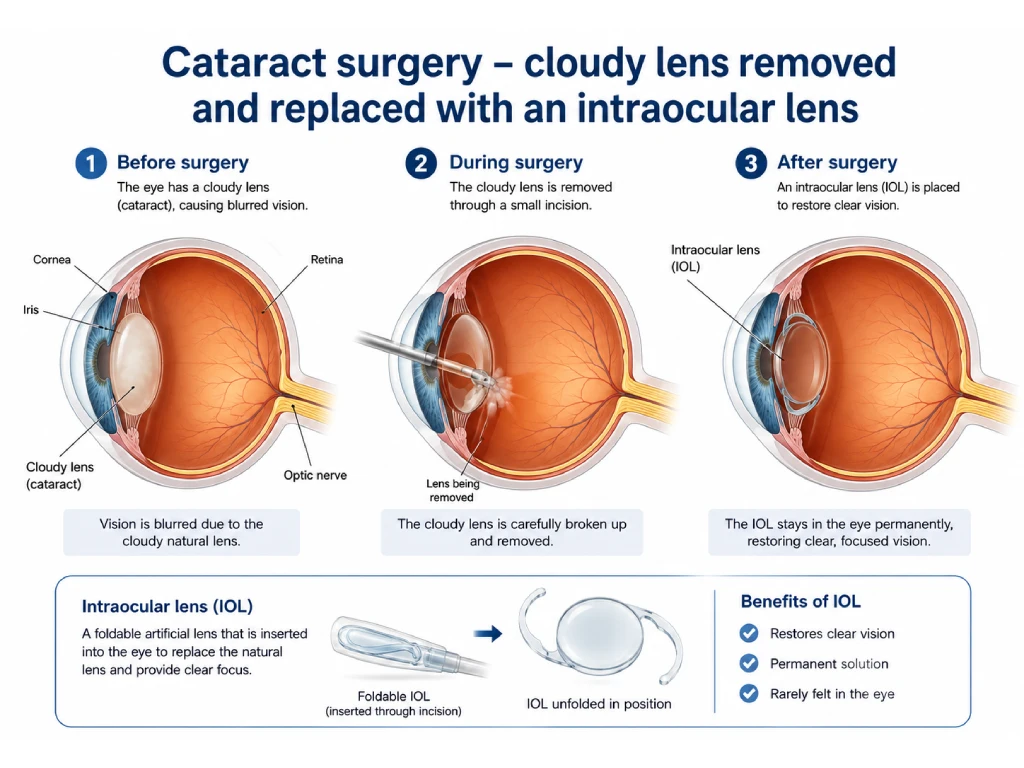
Cataract surgery involves removing the cloudy natural lens of the eye and replacing it with a clear artificial lens called an intraocular lens.
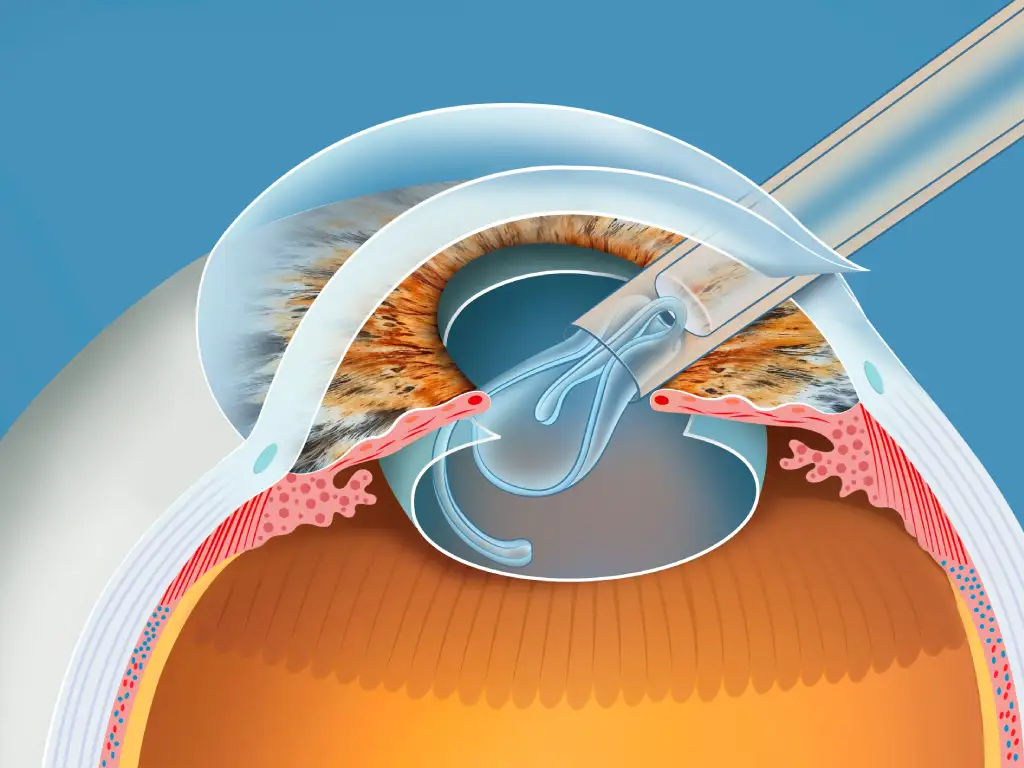
The eye is first numbed with anaesthetic, after which the surgeon makes a small opening in the eye. The cloudy natural lens is broken into smaller pieces and removed. A clear intraocular lens is then inserted and positioned in the eye to replace it.
Modern artificial lenses can also help correct vision, reducing the need for glasses after surgery.
Types of IOLs
- Monofocal (single focus): which usually provide clear vision at one chosen distance
- Multifocal (multiple focus points): which are designed to provide vision across more than one distance
- Toric (for astigmatism): which may help correct certain levels of astigmatism
- Extended Depth of Focus (EDOF): which aim to provide a broader continuous range of vision
Your ophthalmologist should also explain the limitations of each option. Cataract surgery can reduce dependence on glasses for some patients, but it does not guarantee that glasses will no longer be needed.
Patients are usually able to return home on the same day, although arrangements should be made for someone to accompany them home.
Recovery After Cataract Surgery
Vision may begin improving relatively soon after cataract surgery, but the eye still needs time to heal.
You may be prescribed eye drops and given instructions on caring for the operated eye. Your ophthalmologist will advise when you can return to activities such as exercise, swimming, driving and work based on your individual recovery.
Some temporary blurring, irritation or sensitivity can occur during the early recovery period. Full visual recovery varies between patients.
Attend your scheduled follow-up appointments even if your eye feels comfortable, as these allow your ophthalmologist to check healing and vision.
Can Cataracts Be Prevented?
There is no guaranteed way to prevent cataracts, but certain habits may help reduce your risk:
- Wear UV-protective sunglasses
- Stop smoking
- Manage diabetes
- Eat antioxidant-rich foods
Cataract Surgery If You Also Have Glaucoma
Cataracts and glaucoma can occur in the same person, particularly as people get older.
They affect the eye differently. A cataract clouds the lens, while glaucoma damages the optic nerve. This means removing a cataract does not itself reverse vision that has already been lost because of glaucoma.
If you have glaucoma or are at risk of glaucoma, your ophthalmologist may therefore assess your eye pressure, optic nerve and other aspects of your eye health when planning cataract treatment.
When Should You See an Eye Surgeon?
If blurred vision, glare or changes in night vision are beginning to interfere with everyday activities, an eye examination can help determine whether cataracts or another eye condition may be responsible.
At Nobel Eye & Vision Centre in Singapore, Dr Elton Tay and Dr Livia Teo can assess your symptoms, discuss whether cataract surgery may be suitable for you, and explain the different intraocular lens (IOL) options available.
Book an AppointmentFrequently Asked Questions About Cataract
The eye is numbed before cataract surgery. Patients may be aware of light, movement or some sensation during the operation, but anaesthesia is used to minimise discomfort.
The actual operation is generally relatively short, although the total time spent at the surgical facility will be longer because preparation and post-operative observation are also required. The exact duration varies according to the individual and complexity of the procedure.
Not necessarily. Surgery is generally considered when the cataract affects your vision enough to interfere with everyday activities or when your ophthalmologist identifies another medical reason for treatment.
Cataracts frequently affect both eyes, but treatment plans are individualised. Cataract operations are commonly planned separately, and your surgeon will advise on the timing appropriate for you.
The cataract itself cannot return after the cloudy natural lens has been removed. Posterior capsule opacification can sometimes develop later and cause similar blurred vision, but this is a different condition and can usually be treated with yttrium aluminium garnet laser.
Possible complications can include infection, inflammation, changes in eye pressure, swelling within the eye, retinal problems or problems involving the implanted lens. Serious complications are uncommon, but individual risk varies according to your eye health and medical history.
Your surgeon will discuss the expected benefits, possible risks and alternatives with you before surgery.
After cataract surgery, seek prompt medical attention if you develop significant loss of vision, increasing eye pain or marked redness of the eye.
The cost of cataract surgery in Singapore can vary depending on factors such as:
- The type of intraocular lens selected
- The complexity of the cataract
- Investigations required before surgery
- The surgical facility
- Anaesthesia and facility fees
- Whether additional treatment is required
- Insurance or MediSave eligibility
Your clinic can provide a more personalised estimate after your eyes have been assessed and the proposed treatment plan is known.
MediSave may be used for eligible day surgery and surgical procedures in Singapore, subject to prevailing withdrawal limits, scheme requirements and the medical institution involved.
The amount claimable can depend on the procedure performed and applicable MediSave rules.
If you are considering cataract surgery at Nobel Eye & Vision Centre, check with the clinic about the estimated fees and whether MediSave or insurance claims may apply to your treatment. Our specialists are accredited on the panels of major insurers in Singapore, which can help patients manage their out-of-pocket treatment costs.
Considering cataract surgery?
Make an appointment with Nobel Eye & Vision Centre to discuss your symptoms, treatment options, and estimated costs with our eye specialists.