

Polycystic Ovary Syndrome (PCOS) is a hormonal condition that affects many women. PCOS occurs when the ovaries produce higher-than-normal levels of androgens, often referred to as “male hormones,” although women naturally produce small amounts as well.
This hormonal imbalance can interfere with ovulation, causing irregular menstrual cycles and difficulty conceiving. Many women with PCOS also experience insulin resistance, where the body becomes less responsive to insulin, leading to higher insulin levels and metabolic changes.
PCOS affects approximately 1 in 10 women worldwide, though many cases remain undiagnosed.
Symptoms of Polycystic Ovary Syndrome (PCOS)?
PCOS symptoms can vary significantly from person to person. Some women experience only mild symptoms, while others may have more significant hormonal and metabolic effects.
The most common symptoms include:
- Irregular or missed periods
- Difficulty getting pregnant
- Excess facial or body hair (hirsutism)
- Acne or oily skin
- Weight gain or difficulty losing weight
- Hair thinning or hair loss
- Darkened skin patches, especially around the neck or underarms
- Fatigue or low energy levels
- Mood changes or difficulty sleeping
Some women may notice symptoms shortly after puberty, while others only discover they have PCOS when trying to conceive.
Why Does Polycystic Ovary Syndrome (PCOS) Cause Weight Gain?
Many women with PCOS experience weight gain or difficulty losing weight due to hormonal imbalance and insulin resistance. When the body becomes less responsive to insulin, insulin levels rise, which may increase fat storage and make weight management more challenging.
Weight gain associated with PCOS commonly occurs around the abdomen and may worsen symptoms such as irregular periods, inflammation, and ovulation problems. Excess weight can also further increase insulin resistance, creating a cycle that may make symptoms harder to control.
However, not all women with PCOS are overweight. Some women with “lean PCOS” may still experience hormonal imbalance and irregular ovulation despite having a normal body weight.
What Causes Polycystic Ovary Syndrome (PCOS)?
The exact cause of PCOS is not fully understood. However, several factors are believed to contribute to the condition.
1. Hormonal imbalance
Women with PCOS often have higher levels of androgens, which interfere with ovulation and menstrual cycles.
2. Insulin resistance
Insulin resistance is common in PCOS. When the body cannot use insulin effectively, insulin levels rise. Higher insulin levels may stimulate the ovaries to produce more androgens, worsening symptoms such as weight gain, acne, and irregular periods.
3. Genetics
PCOS often runs in families, suggesting a strong genetic link. Women with a family history of PCOS, diabetes mellitus or hormonal disorders may have a higher risk.
4. Inflammation
Emerging research suggests that low-grade inflammation may also contribute to hormonal imbalance and increased androgen production in women with PCOS.
Polycystic Ovary Syndrome (PCOS) Risk Factors
Certain factors may increase your likelihood of developing PCOS:
- Family history of PCOS or type 2 diabetes mellitus
- Overweight or obesity
- Sedentary lifestyle
- Insulin resistance
- Consuming foods high in sugar and fat
It is important to note that women of all body types can develop PCOS, including those who are not overweight.
How Polycystic Ovary Syndrome (PCOS) Affects Fertility
PCOS is one of the leading causes of infertility in women. The condition can interfere with regular ovulation, making it more difficult to conceive naturally.
However, many women with PCOS are still able to become pregnant with appropriate medical treatment, lifestyle changes, and fertility support when necessary.
Early management may improve ovulation and reproductive outcomes.
How is Polycystic Ovary Syndrome (PCOS) Diagnosed?
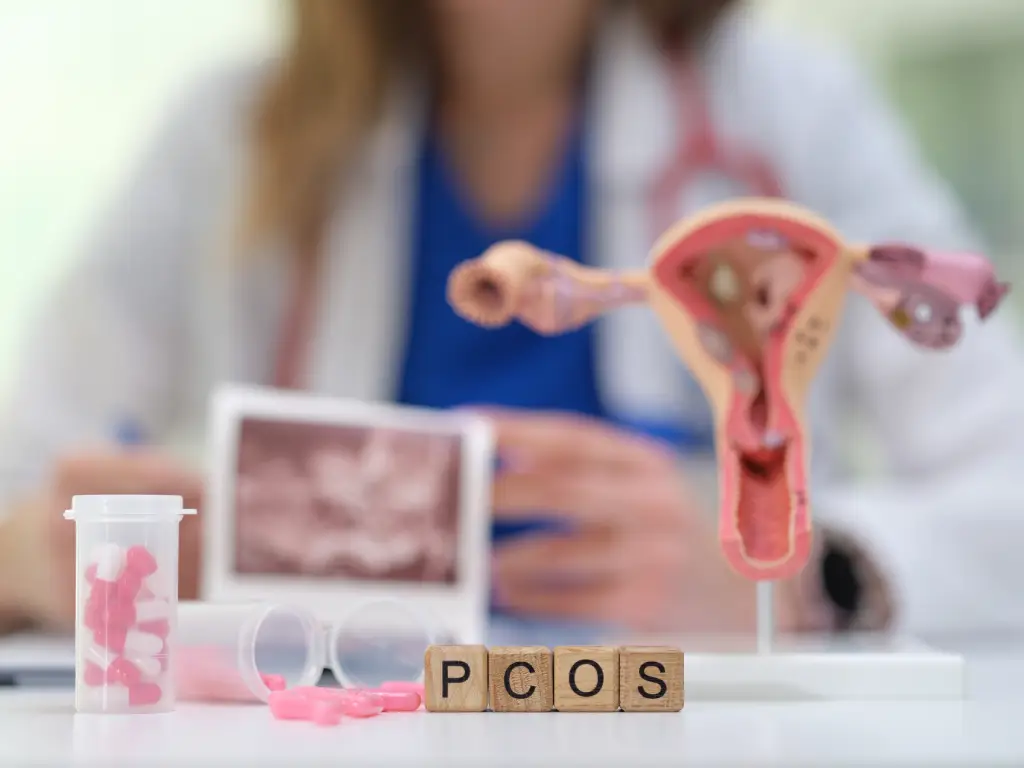
There is no single test for PCOS. Doctors usually diagnose the condition based on a combination of symptoms, medical history, physical examination, blood tests, and ultrasound findings.
Diagnosis may involve assessing:
- Irregular menstrual cycles
- Signs of high androgen levels (such as acne or excess hair growth)
- Ultrasound findings of ovarian follicles
- Hormone levels
- Blood sugar and insulin levels
Additional tests may also be performed to rule out other hormonal or endocrine conditions.
Polycystic Ovary Syndrome (PCOS) Treatment
There is currently no cure for PCOS, but treatment can help manage symptoms, improve fertility, and reduce long-term health risks.
Treatment depends on individual symptoms, health goals, and whether pregnancy is desired.
1. Lifestyle Changes
Lifestyle modifications are the first step in PCOS management.
These may include:
- Maintaining a healthy weight
- Regular physical activity
- Balanced diet to improve insulin sensitivity
- Improving sleep quality
Even modest weight loss may help improve ovulation, insulin resistance, and hormonal balance.
2. Medications
Doctors may prescribe medications to help manage symptoms, including:
- Hormonal contraceptives to regulate periods
- Medications to improve insulin sensitivity
- Anti-androgen medications to reduce excess hair and acne
- Fertility treatments to support ovulation and conception
3. Managing Metabolic Health
Because PCOS is closely linked to insulin resistance and metabolic syndrome, treatment may also focus on reducing the risk of diabetes mellitus and cardiovascular disease through long-term monitoring and preventive care.
When Should You See a Doctor?
You should consider seeking medical advice if you experience:
- Irregular or absent periods
- Difficulty conceiving
- Sudden weight gain
- Persistent acne or excess hair growth
- Hair thinning or hair loss
Early diagnosis and treatment may help improve symptoms and reduce the risk of long-term complications.
Book an AppointmentFrequently Asked Questions About PCOS
The earliest signs of PCOS often include irregular periods, acne, weight gain, excess facial or body hair, and difficulty losing weight. Some women may also notice hair thinning or darker skin patches around the neck or underarms.
PCOS cannot be cured, but it can be effectively managed. Symptoms can often be effectively controlled with lifestyle changes, hormonal treatment, and management of insulin resistance. Early treatment may help regulate periods, improve fertility, reduce acne and excess hair growth, and lower long-term health risks.
Yes. Although PCOS can affect ovulation and fertility, many women with PCOS are still able to conceive naturally or with fertility treatment. Early diagnosis and treatment may improve pregnancy outcomes.
Not necessarily. While weight gain and insulin resistance are common in PCOS, some women with PCOS have a normal body weight. This is sometimes referred to as “lean PCOS.”
Untreated PCOS may increase the risk of long-term health complications such as type 2 diabetes mellitus, high cholesterol, heart disease, sleep apnoea, and endometrial cancer. Proper medical follow-up is important for long-term health.
Women with PCOS are often advised to reduce excessive sugar, highly processed carbohydrates, sugary drinks, and ultra-processed foods, especially if insulin resistance is present. A balanced diet rich in protein, fibre, and whole foods may help support hormonal and metabolic health.
If you suspect you have PCOS, you can start by seeing a general practitioner (GP), who may refer you to a gynaecologist or endocrinologist depending on your symptoms and health concerns.
Both endocrinologists and gynaecologists may help manage PCOS. An endocrinologist may be particularly helpful when hormonal imbalance, insulin resistance, weight changes, thyroid concerns, or metabolic complications are involved.
Our Specialist

Dr Nitish Mishra
Senior Consultant Endocrinologist Dr. Nitish Mishra, a UK-trained Endocrinologist, specialises in diabetes, thyroid, pituitary, adrenal, and metabolic disorders, including PCOS and osteoporosis. He completed his specialist training at King’s College Hospital, London.