

In Singapore, glaucoma is one of the leading causes of irreversible blindness. Around 3% of people over 50 are affected, and this rises to nearly 1 in 10 adults over 70. Despite this, many people are unaware they have the condition until vision is already affected.
Many people with glaucoma have noticeable symptoms in the early stages. Vision loss often develops gradually, beginning with peripheral or side vision, while central vision may remain clear until the condition becomes more advanced.
At Nobel Eye & Vision Centre, Dr Livia Teo and Dr Elton Tay provide glaucoma assessment, management, and a range of treatment options, including surgery. Glaucoma cannot usually be reversed once vision has been lost, which is why regular examinations and early management are important.
What Is Glaucoma?
Glaucoma is an eye condition that damages the optic nerve, which carries visual information from your eye to the brain. Once this nerve is damaged, the vision loss is permanent and cannot be reversed.
It is often called the “silent thief of sight” because most people don’t notice symptoms in the early stages.
Why Glaucoma Happens?
Your eyes naturally produce fluid to help your eyes see well. This fluid normally drains out through a delicate drainage system. When that system doesn’t work properly, pressure builds up.
Over time, this pressure can damage the optic nerve. But here’s what many people don’t realise: glaucoma doesn’t always involve high pressure.
Some people develop optic nerve damage even when their eye pressure is within a normal range. This is when the optic nerve is more vulnerable to damage even at lower eye pressures. This is known as normal-tension glaucoma, and it’s one reason why regular eye exams are so important.
What Are the Signs and Symptoms of Glaucoma?
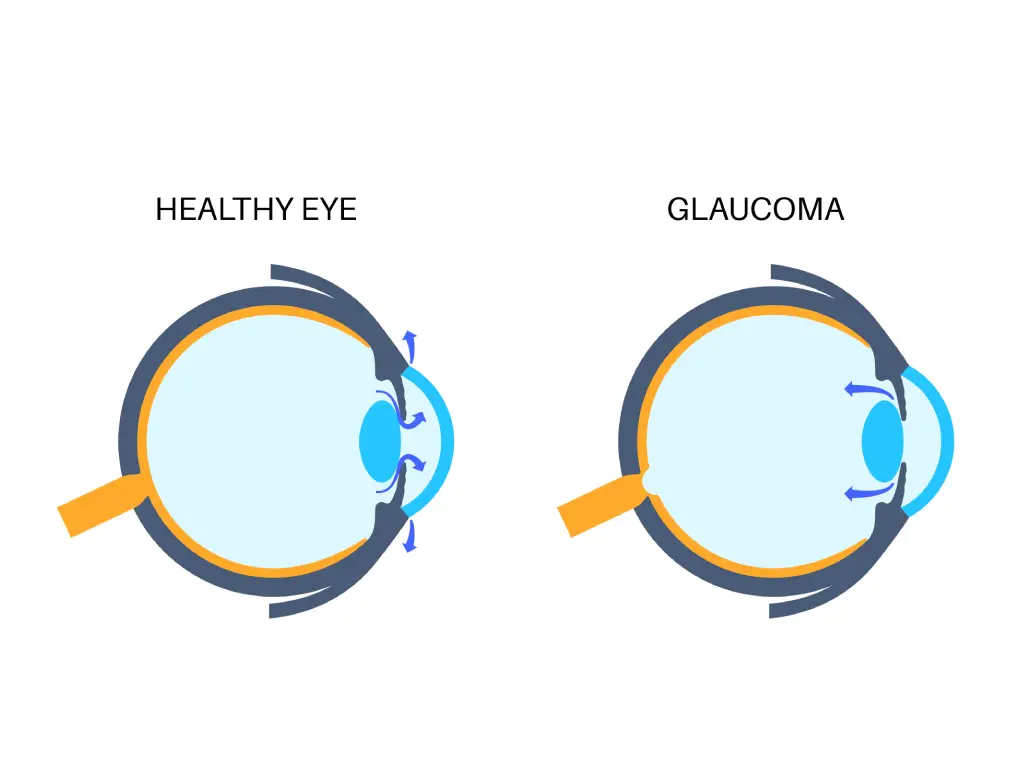
One of the challenges with glaucoma is that the most common forms may cause few or no symptoms at first.
Early glaucoma: The most common type, open-angle glaucoma, usually develops slowly. It often affects side vision first, so you may not notice any changes at the beginning.
As glaucoma progresses, you may experience:
- Gradual loss of side vision
- Blurred or dim vision
- Narrower field of vision
- Tunnel vision in advanced stages
This is why regular eye checks are important, especially for people at higher risk of glaucoma.
Acute Angle-Closure Glaucoma: happens when the pressure inside the eye rises suddenly.
Symptoms may include:
- Severe eye pain
- Red eye
- Sudden blurred vision
- Seeing haloes around lights
- Headache
- Nausea or vomiting
Acute angle-closure glaucoma is considered a medical emergency. If you experience these symptoms, seek medical attention immediately. Early treatment can help lower eye pressure and protect your vision.
Our eye specialist may recommend eye drops, laser treatment, or surgery to help lower eye pressure and reduce further damage to your vision.
How Is Glaucoma Diagnosed?
Glaucoma is usually diagnosed through a comprehensive eye examination to understand your eye health and severity of the condition.
Our ophthalmologists can assess several aspects of your eyes to determine whether glaucoma is present and whether it is progressing. These findings will then help guide you to the most appropriate treatment plan for you.
At Nobel Eye & Vision Centre, our eye specialists Dr Elton Tay and Dr Livia Teo can provide assessment and treatment for glaucoma.
Common tests include:
- Eye pressure measurement (tonometry)
- Optic nerve assessment
- Visual field test (checks side vision)
- Corneal thickness measurement
- OCT imaging (detailed nerve scan)
These exams usually take about 20 to 45 minutes and can detect glaucoma accurately, often before symptoms appear. Regular eye examinations are recommended, especially from age 40.
Treatment Options for Glaucoma
Treatment for glaucoma aims to lower eye pressure and reduce the risk of further optic nerve damage.
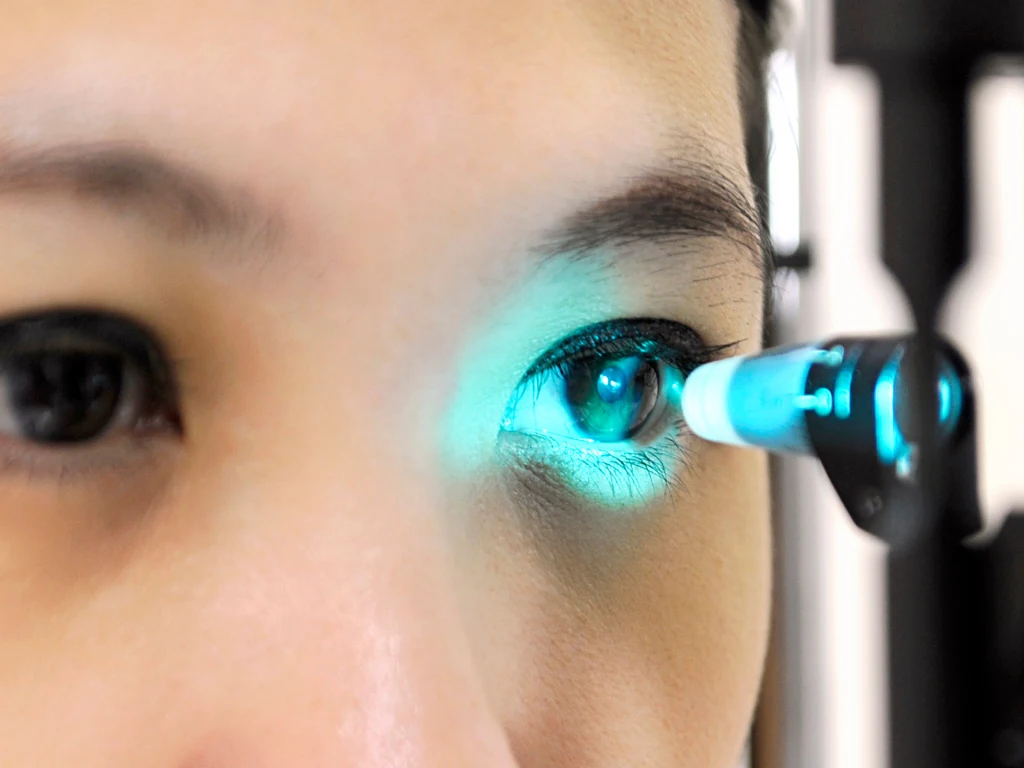
Our treatment of glaucoma may include:
1. Laser Treatment
Used in suitable cases to help lower eye pressure or improve the drainage of fluid from the eye.
2. Eye Drops
Prescription eye drops can help lower eye pressure by either:
- Reducing the amount of fluid produced inside the eye
- Improving the drainage of fluid from the eye
Some people may require more than one type of eye drop. It is important to use glaucoma medication as prescribed because treatment helps protect the remaining vision rather than restore vision that has already been lost.
3. Glaucoma Surgery
Glaucoma surgery may be considered when eye pressure is not adequately controlled with medication or laser treatment, or when the type or severity of glaucoma requires surgical treatment.
Options may include:
- Minimally Invasive Glaucoma Surgery (MIGS): A less invasive surgical option that may help lower eye pressure in selected patients.
- Trabeculectomy: A glaucoma surgery that creates a new pathway for fluid to drain from the eye, helping to reduce eye pressure.
- Tube Implant Surgery: A small drainage device is placed in the eye to help control eye pressure in more complex cases.
Regular glaucoma screening and diagnostic tests may also be carried out to monitor eye pressure, the optic nerve, and changes in vision. Our ophthalmologists will recommend the appropriate treatment based on your individual eye condition.
Can Glaucoma Be Cured?
There is currently no cure for glaucoma, and vision already lost because of optic nerve damage generally cannot be restored.
However, glaucoma can often be controlled.
Can Glaucoma Be Prevented?
Glaucoma itself cannot always be prevented because some of its major risk factors, such as age and family history, cannot be changed. However, early detection can help reduce the risk of significant vision loss.
Regular eye examinations are particularly important if you:
- Have a family history of glaucoma
- Have previously been told that your eye pressure is high
- Have significant myopia
- Have diabetes or high blood pressure
- Use corticosteroid medication
- Have other glaucoma risk factors
Because early glaucoma may not cause noticeable symptoms, an eye examination can detect changes before you realise your vision has been affected.
When Should You See an Eye Specialist?
Consider seeing an ophthalmologist if you notice changes in your peripheral or side vision, unexplained blurred vision, or other unexplained changes in your eyesight.
Seek urgent medical attention if you develop sudden severe eye pain, a red eye, sudden blurred vision, haloes around lights, headache, nausea or vomiting, as these may be symptoms of acute angle-closure glaucoma.
At Nobel Eye & Vision Centre in Singapore, our ophthalmologists Dr Elton Tay and Dr Livia Teo provide assessment, diagnosis and treatment for glaucoma and other eye conditions.
Book an AppointmentFrequently Asked Questions (FAQ)
Yes. Glaucoma can cause permanent vision loss if optic nerve damage progresses. Early diagnosis, treatment, and regular monitoring can help reduce the risk of further vision loss.
Glaucoma is generally a chronic condition. Patients usually require ongoing monitoring, and some may require long-term treatment to keep their eye pressure at an appropriate level.
Glaucoma is a long-term condition and cannot usually be cured. Treatment can help lower eye pressure and slow further damage to the optic nerve, but the condition may still progress over time.
Regular follow-up appointments are important to monitor your eye pressure and vision, and your treatment may need to be adjusted if there are further changes.
No. Not everyone with glaucoma needs surgery. Treatment may begin with eye drops or laser treatment to help lower eye pressure.
Surgery may be recommended if these treatments do not adequately control eye pressure, or if the glaucoma is more advanced. Our ophthalmologists will discuss and recommend the most suitable treatment options based on your condition.
You should consider an eye assessment if you have symptoms of glaucoma, a family history of the condition, raised eye pressure, or other risk factors.
Regular eye examinations can also help detect glaucoma early, before noticeable vision changes develop.
If you are concerned about glaucoma or your eye health, make an appointment with an ophthalmologist at Nobel Eye & Vision Centre for a personalised assessment and discussion on your eye concerns.