

Helicobacter pylori infection is a common stomach infection caused by a type of bacteria known as H. pylori.
These bacteria can survive in the stomach’s acidic environment by making a protective film around itself which neutralised the stomach acid. It can also cause inflammation and ulcers in the stomach. While many people never experience symptoms, H. pylori is one of the leading causes of digestive problems worldwide.
In some cases, the infection can lead to conditions such as gastritis, peptic ulcers, and, rarely, stomach cancer.
H. pylori Symptoms
Many people don’t realise they have H. pylori until symptoms develop. When symptoms do appear, they often include:
- Burning or aching pain in the upper abdomen
- Bloating or frequent burping
- Nausea or vomiting
- Loss of appetite
- Unexplained weight loss
Seek medical attention if you have:
- Black or bloody stools
- Vomiting blood
- Severe stomach pain that does not go away
- Difficulty swallowing
- Dizziness or fainting
These symptoms could indicate complications such as ulcers or bleeding and need urgent medical attention.
What Causes H. Pylori Infection?
H. pylori infection spreads through close contact and contaminated food and water.
Common transmission routes include:
- Sharing food, drink, and utensils with an infected person
- Poor hand hygiene
- Close contact (e.g. saliva, vomit, or stool)
H. pylori is contagious, once inside the body, the bacteria survive by producing substances that protect them from stomach acid.
Risk Factors
You may have a higher risk of H. pylori infection if you:
- Live in crowded conditions or households
- Have limited access to clean water
- Share living spaces with infected individuals
- Share utensils and food often
- Have a family history of ulcers or stomach cancer
Complications of H. pylori Infection
If left untreated, H. pylori can lead to:
1. Peptic Ulcers
Open sores in the stomach or duodenum affecting up to 15% of infected individuals.
2. Chronic Gastritis
Long term stomach inflammation that may cause ongoing discomfort and indigestion.
3. Stomach Cancer
Although uncommon, H. pylori is one of the strongest known risk factors.
How is H. pylori Diagnosed?
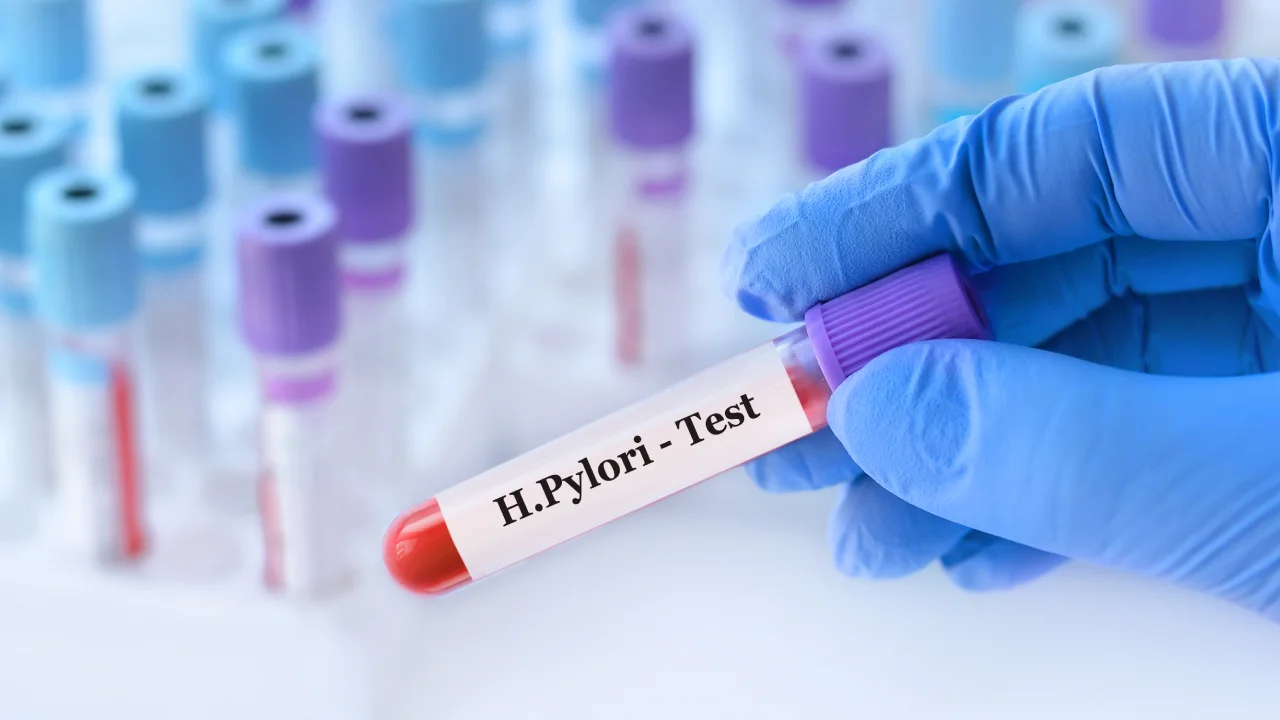
Doctors may recommend one or more tests to diagnose H. pylori Infection:
1. Breath Test
Detects H. pylori by measuring carbon dioxide levels in your breath
2. Stool Test
Detects the bacterial proteins
3. Blood Test
Identifies antibodies (often used in health screening)
4. Endoscopy
Allows direct examination and biopsy of the stomach
H. Pylori Treatment Options
The good news is that H. pylori infection can be treated effectively with a combination of medications:
1. Antibiotics
Used to kill the bacteria (usually two types are prescribed together)
2. Proton Pump Inhibitors (PPIs)
Reduce stomach acid to allow healing
3. Bismuth-containing medications
Help protect the stomach lining and improve treatment effectiveness
Treatment typically lasts 10 to 14 days, and it’s important to complete the full course to prevent antibiotic resistance.
How to Prevent H. pylori Infection
While it’s not always possible to prevent, you can reduce your risk by:
- Washing hands regularly with soap
- Drinking clean, safe water
- Eating properly cooked food and ensuring proper food hygiene
- Avoiding sharing utensils in high-risk settings
H. Pylori Diet: What to Eat and Avoid
Foods That May Help with H. pylori Infection:
- Fresh fruits and vegetables
- Whole grains
- Foods rich in antioxidants
Foods to avoid with H. pylori Infection:
- Spicy foods
- Alcohol
- Coffee and caffeine
- Fried or fatty foods
- Highly processed foods
When Should You See a Doctor?
You should seek medical advice if you experience:
- Ongoing stomach pain
- Symptoms that don’t improve with basic treatment
- Signs of ulcers (pain, bleeding, black stools)
Early diagnosis helps prevent complications and ensures effective treatment.
Book an AppointmentFrequently Asked Questions About H. pylori Infection
In most cases, it does not go away without treatment and may worsen over time.
Avoid spicy foods, alcohol, and caffeine if they worsen symptoms. Focus on a balanced, gentle diet.
Yes, H. pylori infection can usually be cured with proper treatment. After completing therapy, your doctor may recommend a follow-up test to ensure the infection is fully cleared.
Most people recover within a few weeks after completing treatment, though healing of the stomach lining may take longer.
Reinfection is possible but relatively uncommon if hygiene practices are followed.
Once inside the stomach, H. pylori damage the protective lining, making it easier for stomach acid to irritate the tissue. Over time, this can lead to inflammation (gastritis) or the formation of ulcers.