
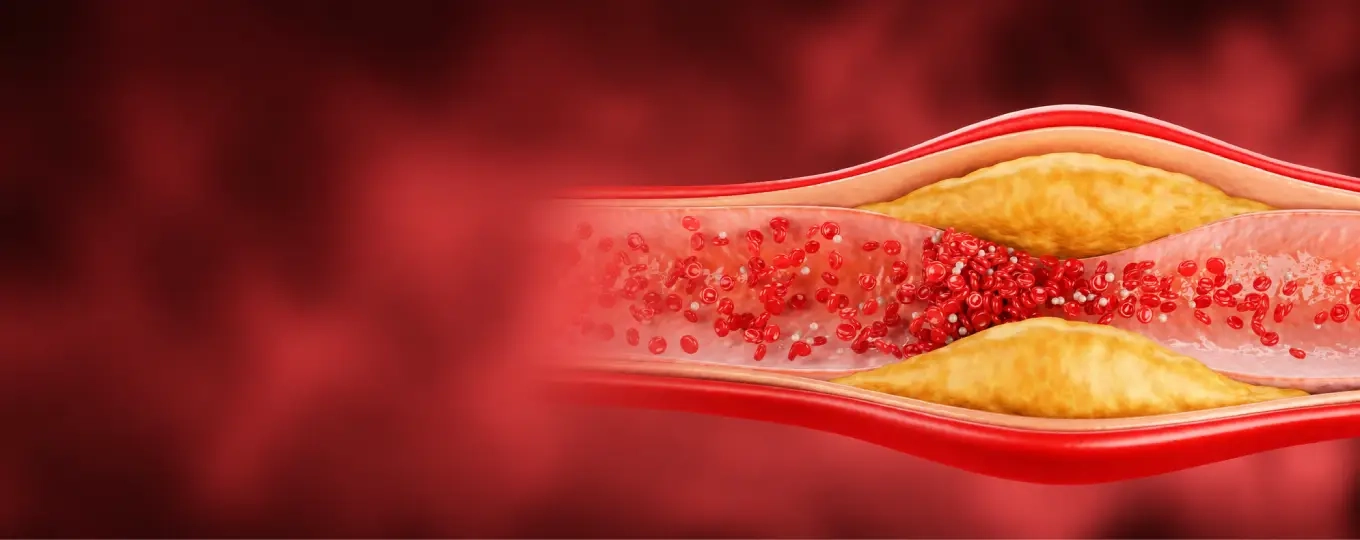
Cholesterol is a waxy, fat-like substance found in the blood. The body needs cholesterol to build healthy cells, produce hormones, and support normal body functions.
However, when cholesterol levels are too high, fatty deposits can build up inside blood vessels. Over time, this can narrow the arteries and reduce blood flow to important organs such as the heart and brain.
High cholesterol often has no symptoms. Many people only discover it through a blood test during a health screening or routine check-up.
What Is High Cholestrol
High cholesterol happens when there is too much cholesterol or other types of fat in the blood. This condition is also known as hyperlipidaemia.
When cholesterol is built up in arteries, it can form plaque. Plaque may cause the arteries to become narrow or stiff, a process known as atherosclerosis. If the blood supply to the heart or brain is affected, this may increase the risk of heart attack or stroke.
Because high cholesterol usually develops quietly, regular screening is important, especially if you have other risk factors such as high blood pressure, diabetes, obesity, smoking or family history of heart disease.
Types of Cholesterol
A cholesterol blood test usually measures several types of cholesterol and fats in the blood. Understanding these numbers can help your doctor assess your heart and blood vessel health.
| Type | Description |
|---|---|
| LDL Cholesterol | LDL is often called "bad" cholesterol. When LDL levels are high, cholesterol can build up in the walls of the arteries and form plaque. This can increase the risk of heart disease and stroke. |
| HDL Cholesterol | HDL is often called "good" cholesterol. It helps carry excess cholesterol away from the blood vessels and back to the liver, where it can be removed from the body. Higher HDL levels are generally associated with better heart health. |
| Triglycerides | Triglycerides are a type of fat in the blood that the body uses for energy. When triglyceride levels are too high, they may increase the risk of heart disease. Very high triglyceride levels may also increase the risk of pancreatitis, an inflammation of the pancreas. |
| Total Cholesterol | Total cholesterol is the overall amount of cholesterol in your blood. However, this number alone does not give the full picture. Your doctor will usually review it together with your LDL, HDL, triglycerides, and other health risk factors. |
What Causes High Cholesterol?
High cholesterol can be caused by lifestyle factors, medical conditions, genetics, or a combination of these.
Common causes include:
- Lack of physical activity
- Smoking
- Being overweight or obese
- Diabetes or insulin resistance
- Liver disease
- Excessive alcohol intake
- Hypothyroidism
- Family history of high cholesterol or early heart disease
Some people have high cholesterol because of an inherited condition called familial hypercholesterolaemia. This can cause very high LDL cholesterol levels from a young age, even in people who eat well and stay active.
What Are the Symptoms of High Cholesterol
High cholesterol usually does not cause any symptoms. You may feel completely well even when your cholesterol levels are high. That is why high cholesterol is sometimes described as a “silent” risk factor for heart disease.
A blood test is the only way to know your cholesterol levels. In some people with inherited very high cholesterol, fatty deposits may appear around the eyes, skin or tendons. However, these signs are not common and should not be relied on to detect high cholesterol.
Who Is at Risk of High Cholesterol?
Anyone can develop high cholesterol, including people who are young, active or not overweight.
Your risk may be higher if you:
- Have a family history of high cholesterol
- Eat a diet high in saturated or trans fats
- Smoke
- Have an underactive thyroid
- Drink alcohol excessively
- Exercise infrequently
- Have a family history of heart attack or stroke at a younger age
- Have diabetes
Cholesterol levels may also change with age. For some women, cholesterol levels can rise after menopause due to hormonal changes.
How Can High Cholesterol Be Lowered?
Treatment depends on your cholesterol levels, overall cardiovascular risk, age, medical history, and whether you have other medical conditions such as diabetes or high blood pressure.
For many people, lifestyle changes are the first step in managing and preventing high cholesterol.
Eat a Heart-Healthy Diet
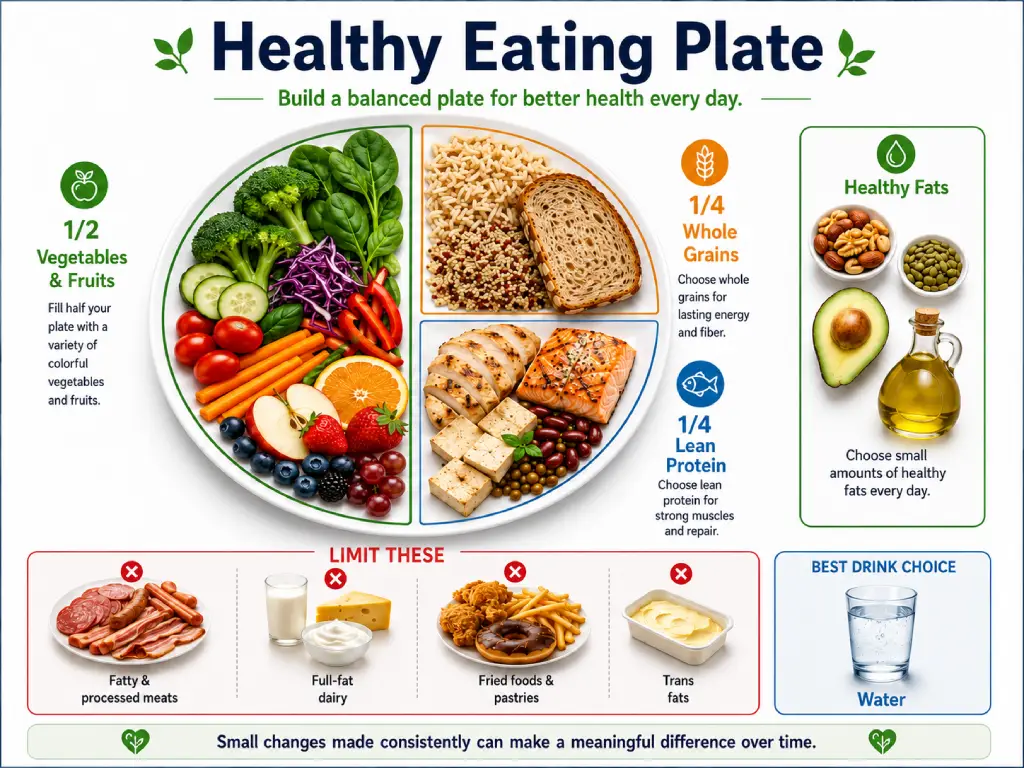
A heart-healthy diet can help improve cholesterol levels and support long-term cardiovascular health. Helpful changes include:
- Eating more vegetables, fruits and whole grains
- Choosing lean proteins such as fish, skinless poultry and legumes
- Replacing saturated fats with healthier unsaturated fats
- Limiting processed foods and foods high in trans fats
- Including high-fibre foods such as oats, beans and lentils
Small changes made consistently can make a meaningful difference over time.
Exercise Regularly
Regular physical activity can help improve cholesterol levels, support weight management, and strengthen heart health. Most adults should aim to stay active throughout the week. This may include brisk walking, cycling, swimming, strength training, or other activities suitable for your fitness level.
If you have existing heart disease, chest pain, breathlessness or have not exercised for a long time, speak to a doctor before starting a new exercise routine.
Maintain a Healthy Weight
Losing excess weight, even gradually, can help improve cholesterol and triglyceride levels. It may also help lower blood pressure and reduce the risk of diabetes.
Stop Smoking
Smoking can lower HDL cholesterol and damage blood vessels. Quitting smoking can improve overall heart and blood vessel health.
Limit Alcohol
Drinking too much alcohol can raise triglycerides and total cholesterol. It can also contribute to weight gain, high blood pressure, and liver problems.
When Should You See a Doctor?

You should speak to a doctor if:
- You have not checked your cholesterol before
- Your cholesterol result is high
- You have a strong family history of high cholesterol or early heart disease
- You have diabetes, high blood pressure or kidney disease
- You are unsure whether you need medication
- You experience chest pain, shortness of breath, fainting or sudden weakness
Seek immediate medical attention at your nearest A&E Department if you experience symptoms of a heart attack or stroke, such as chest pain, sudden breathlessness, facial drooping, arm weakness, speech difficulty, or sudden severe dizziness.
Book an AppointmentFrequently Asked Questions About Cholestrol
Yes. High cholesterol can affect younger adults and even children, especially if there is a family history of high cholesterol or early heart disease.
Yes. Some people inherit high cholesterol from their families. This is known as familial hypercholesterolemia and can cause very high LDL cholesterol from a young age.
Lifestyle changes may help lower cholesterol levels. These include eating more vegetables, fruits and whole grains, choosing lean protein, limiting saturated and trans fats, exercising regularly, maintaining a healthy weight, avoiding smoking and limiting alcohol.
How often you should check your cholesterol depends on your age, previous results, health conditions, and family history. Your doctor can advise a suitable screening interval.
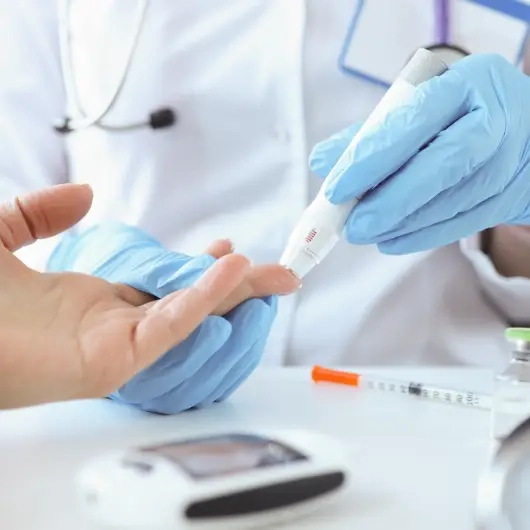
Cholesterol is checked through a blood test called a lipid profile or lipid panel. This test usually measures LDL cholesterol, HDL cholesterol, triglycerides, and total cholesterol.
You should see a doctor if your cholesterol results are high, you have a family history of high cholesterol or early heart disease, or you have other risk factors such as diabetes, high blood pressure, obesity, or smoking.