

High blood pressure, also known as hypertension, happens when the pressure of blood against the walls of your blood vessels remains too high over time.
Without appropriate management, high blood pressure can gradually damage the heart, blood vessels, brain, kidneys, and other organs.
Regular blood pressure checks are therefore important even when you feel well. At Nobel Medical, cardiologists Dr Koh Choong Hou, Dr Leow Khang Leng, and Dr Saurabh Rastogi, can assess your blood pressure readings, identify possible concerns and recommend appropriate treatment and management as needed.
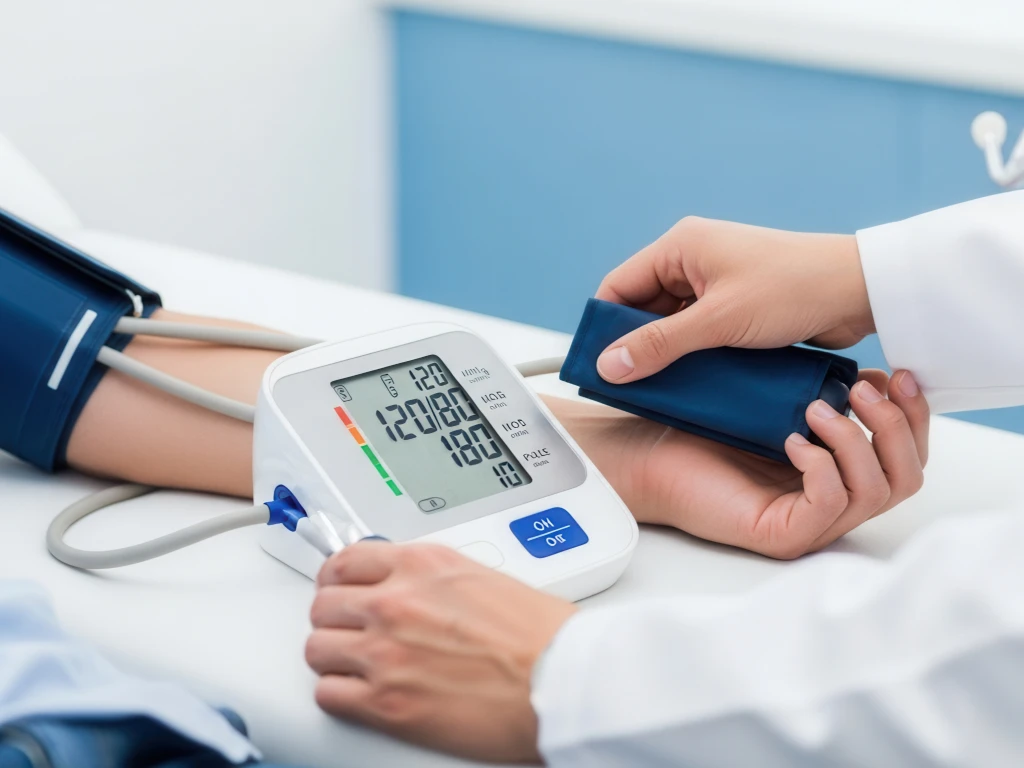
What Is High Blood Pressure?
Blood pressure is the force of blood pushing against the walls of your arteries as your heart pumps blood around your body.
A blood pressure reading contains two numbers and is measured in millimeters of mercury (mmHg).
For example:
120/80 mmHg
- Systolic blood pressure, or the top number, measures the pressure in your arteries when your heart contracts.
- Diastolic blood pressure, or the bottom number, measures the pressure when your heart relaxes between beats.
Blood pressure naturally changes throughout the day depending on factors such as activity, stress, and sleep. Hypertension occurs when blood pressure remains persistently elevated rather than increasing temporarily.
Does Hypertension Cause Symptoms?
Usually, high blood pressure has no obvious symptoms.
A person may have hypertension for several years without feeling unwell, which is why it is sometimes described as a "silent" condition. Symptoms such as headaches, nosebleeds or shortness of breath should not be relied upon to determine whether you have high blood pressure because they are not specific to hypertension.
The only reliable way to know your blood pressure is to have it measured.
What Are the Causes of Hypertension?
There are many possible causes of hypertension, such as:
- Age
- Unhealthy lifestyle choices such as smoking, lack of physical activity and poor diet
- Obesity
- Family history
- Stress
- Alcohol consumption
- Stress
- Pregnancy
- Existing health issues such as diabetes and high cholesterol
In an assessment with our Cardiologists Dr Koh Choong Hou, Dr Leow Khang Leng, and Dr Saurabh Rastogi, patients will be evaluated holistically for risk factors, family history, and symptoms before making a diagnosis and prescribing a treatment plan.
How Is High Blood Pressure Diagnosed?
Hypertension is not usually diagnosed with one isolated blood pressure measurement. Our cardiologist at Nobel Medical Group may measure your blood pressure several times, consider using an ambulatory 24-hour blood pressure monitor device and review your home blood pressure readings.
Depending on your circumstances, blood or urine tests may also be used to check factors such as kidney function, blood sugar, cholesterol, electrolytes or signs that hypertension may be affecting other organs.
How Is High Blood Pressure Treated?
Treatment aims to lower blood pressure and reduce the risk of complications such as heart disease, stroke, and kidney damage.
Your treatment plan will depend on factors including:
- Your blood pressure readings
- Overall cardiovascular risk
- Age and general health
- Diabetes or kidney disease
- Evidence of hypertension-related organ damage
Treatment from our doctors usually involves lifestyle changes, medication when appropriate, and regular monitoring.
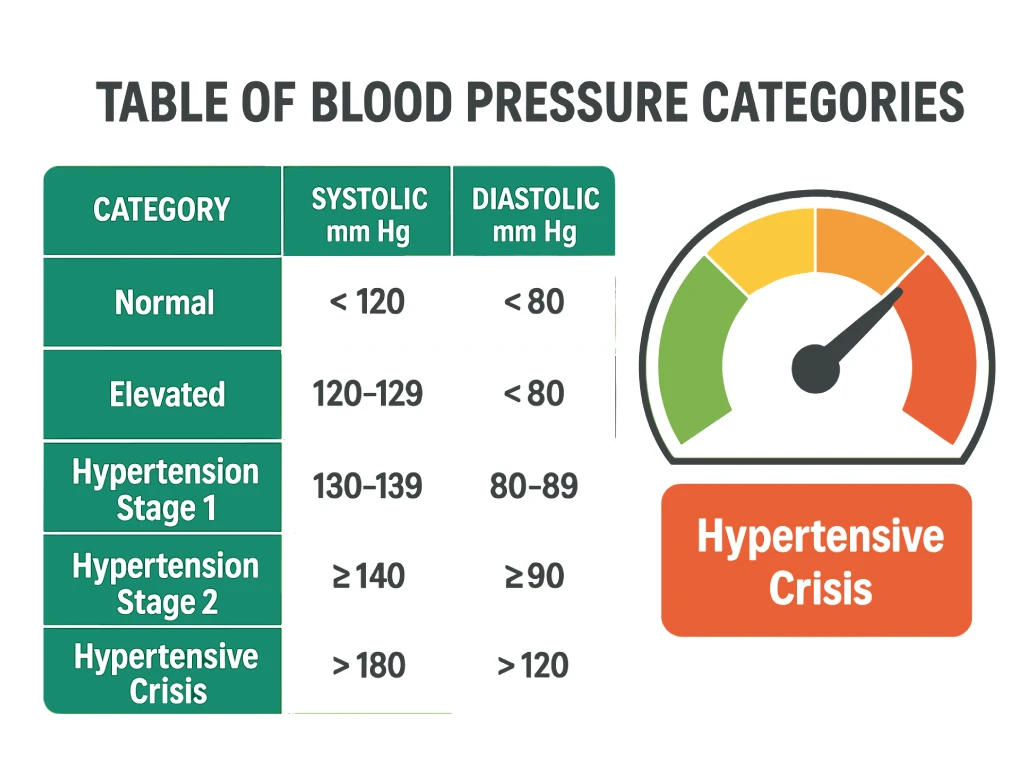
How Can You Lower Your Blood Pressure?
Changes in lifestyle as well as medication can help lower blood pressure and reduce the risk of associated health complications. Here are some ways to lower your blood pressure:
- Stop smoking
- Limit your alcohol consumption
- Maintain a healthy weight or losing weight if you're overweight
- Eating a heart healthy diet with less salt
- Exercise regularly
- Manage your stress and get adequate sleep
- Monitor your blood pressure on a regular basis
- Taking your prescribed medication on time
How Often Should You Check Blood Pressure?
Even if you feel well, it is a good idea to check your blood pressure regularly because high blood pressure often does not cause noticeable symptoms.
Most adults should have their blood pressure checked during routine health screenings or medical appointments. Your doctor may recommend checking it more often if you have high or borderline readings, a family history of hypertension or other health conditions that increase your risk.
When Should You See a Doctor?
Consider speaking with a doctor if:
- Your blood pressure is repeatedly high
- You have recently been told that your blood pressure is elevated
- Your home readings are consistently higher than expected
- You have risk factors such as diabetes, kidney disease or a strong family history of hypertension
- You are taking blood pressure medication, but your readings remain high
- You experience side effects from your medication
Seek immediate medical attention at Nobel Heart Centre from Dr Koh Choong Hou, Dr Leow Khang Leng, and Dr Saurabh Rastogi if you have severely elevated blood pressure together with symptoms such as chest pain, severe breathlessness, confusion, seizures, sudden weakness, difficulty speaking, or significant vision changes.
Book an AppointmentFrequently Asked Question (FAQ)
Yes. Most people with hypertension do not experience noticeable symptoms. Blood pressure measurement is the only reliable way to know whether your blood pressure is elevated.
Stress can temporarily increase blood pressure. Stress-related behaviours, such as smoking, drinking excessive alcohol or unhealthy eating, may also contribute to cardiovascular risk. Persistent hypertension usually involves several factors rather than stress alone.
Some cases of secondary hypertension may improve when the underlying cause is treated. Primary hypertension is usually managed as a long-term condition through lifestyle changes, medication where appropriate, and regular monitoring.
Home monitoring can be useful for people with hypertension or elevated clinic readings. It can help your doctor monitor trends and identify conditions such as white coat or masked hypertension.
You can start by seeing a general practitioner (GP) or family doctor at Nobel Medical.
You can start by seeing a General Practitioner at any Healthway Medical clinic. For more severe hypertension, our Cardiologists at Nobel Heart Centre will arrange more in-depth investigations and advise on the appropriate treatment options.