
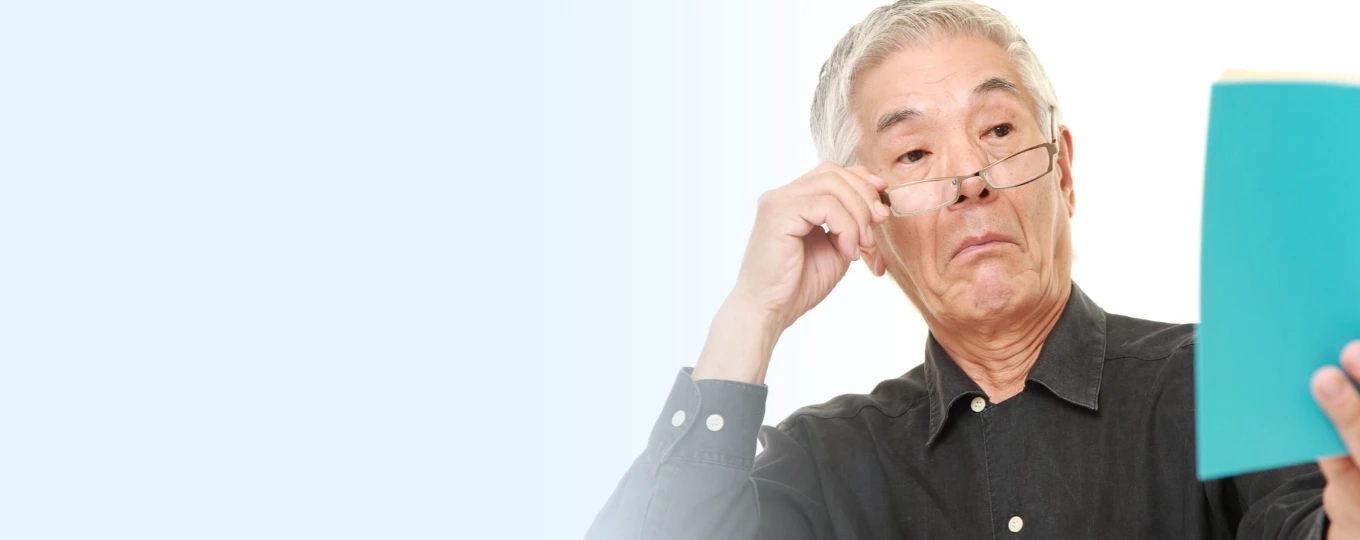
Presbyopia is an age-related eye condition where it becomes harder to see objects up close. It usually starts around the age of 40 and gradually progresses as we get older.
You may notice that reading small print or viewing your mobile phone becomes more difficult, and you need to hold things further away to see them clearly. This happens because the natural lens inside your eye, which helps you focus on objects at different distances, becomes less flexible with age. As a result, nearby objects may appear blurry.
Although presbyopia is a normal part of ageing, reading glasses, presbyopic contact lenses and certain treatments can help improve near vision.
Who Is More Likely to Develop Presbyopia?
Ageing is the main cause of presbyopia, with most people noticing changes in their near vision from their 40s.
Some factors may cause near vision difficulties to become noticeable earlier or affect your ability to focus:
- Long-sightedness (hyperopia): People who already have difficulty seeing nearby objects clearly may notice presbyopia symptoms earlier.
- Medical conditions: Conditions such as diabetes can also result in earlier presbyopic symptoms.
- Medication: Some medicines, including certain first-generation antihistamines and antidepressants, may also make it harder to focus on nearby objects.
If you notice changes in your near vision before the age of 40, consider an eye examination to identify the cause.
What Are the Symptoms of Presbyopia?
Presbyopia develops gradually, and symptoms often become noticeable in one's 40s.
Common symptoms include:
- Blurred near vision: Words or objects may appear blurry when you try to look at them up close.
- Having to hold reading materials further away: Positioning books or mobile phones further away from your eyes to see more clearly.
- Difficulty reading small print: Struggling to read menus, medicine labels or phone messages.
- Eye strain: Your eyes may feel tired or uncomfortable after reading, using your phone or doing other close-up activities.
- Needing brighter lighting: Finding it easier to read under stronger lighting.
Symptoms may become more noticeable when you are tired or reading in dimmer lighting, especially when looking at small print.
What Causes Presbyopia?
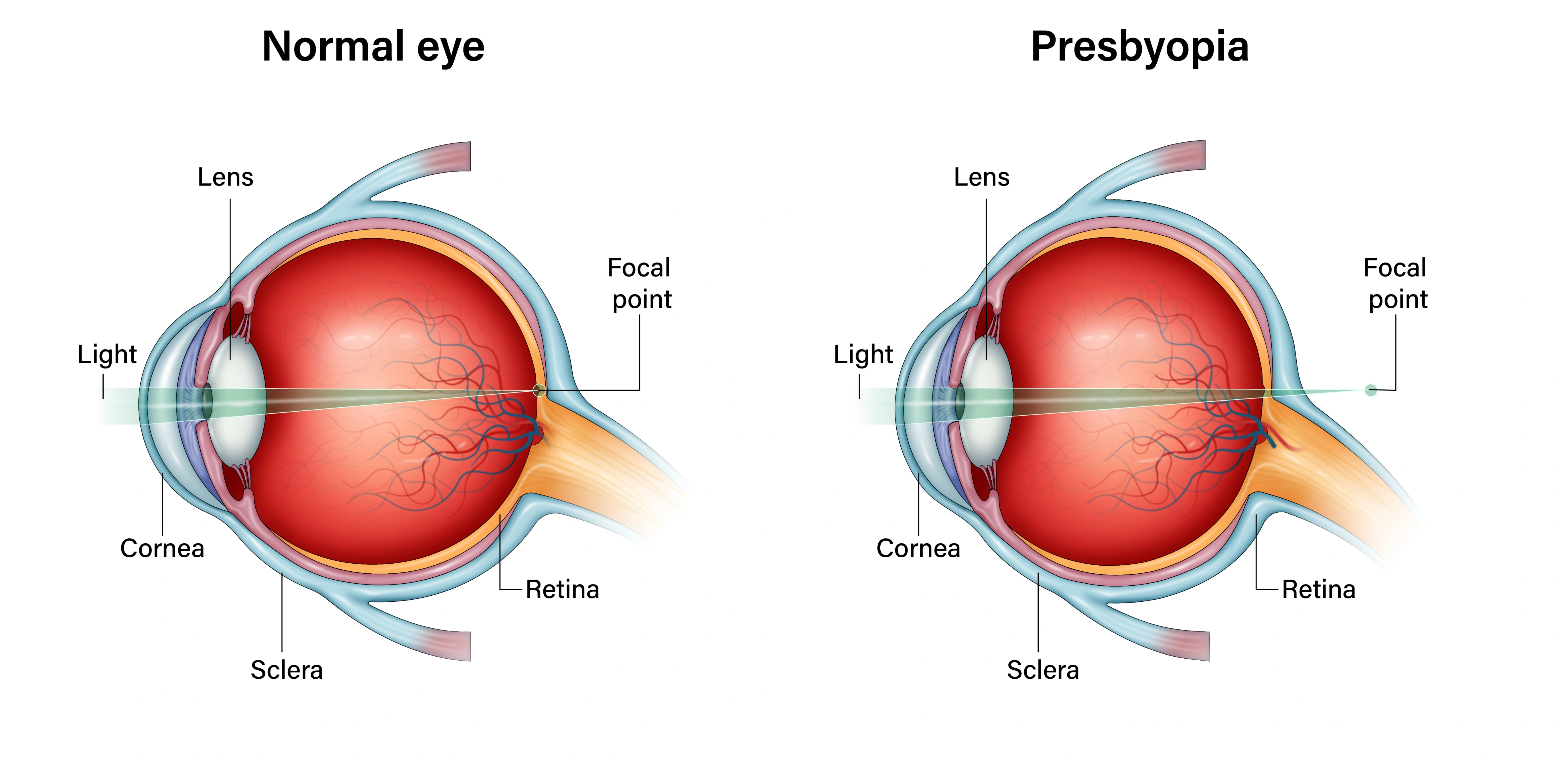
Presbyopia happens when the natural lens inside your eye becomes less flexible as you age. When you are younger, the lens is flexible and has the ability to change its shape to allow your eyes to focus on objects both near and far.
As you get older, the lens gradually becomes stiffer and less flexible, making it difficult for the lens to change its shape to focus on nearby objects. As a result, nearby things like words on a page become blurry.
Presbyopia is a normal part of ageing and can affect anyone, even those who have never needed glasses before.
What Are the Treatment Options for Presbyopia?
Presbyopia cannot currently be reversed, but several treatment options can help improve near vision.
The most suitable treatment depends on your age, eye health, lifestyle and visual needs.
1. Reading Glasses
Reading glasses help you see things up close, such as books, words and images on a screen, and small print.
If you already wear glasses, you may consider:
- Bifocal lenses: Glasses with two sections for near and distance vision.
- Progressive lenses: Glasses that allow you to see objects at near, intermediate and far distances through different parts of the same lens, without needing to switch between pairs.
2. Contact Lenses
Contact lenses may be an option if you prefer not to wear glasses.
There are two common types:
- Multifocal contact lenses: Contact lenses designed to help you see at different distances at the same time, such as when reading, using a computer or looking at objects further away.
- Monovision contact lenses: One eye is corrected for near vision, while the other is corrected for distance vision.
Our ophthalmologists can assess your condition and suggest suitable options.
3. Laser Eye Refractive Surgery
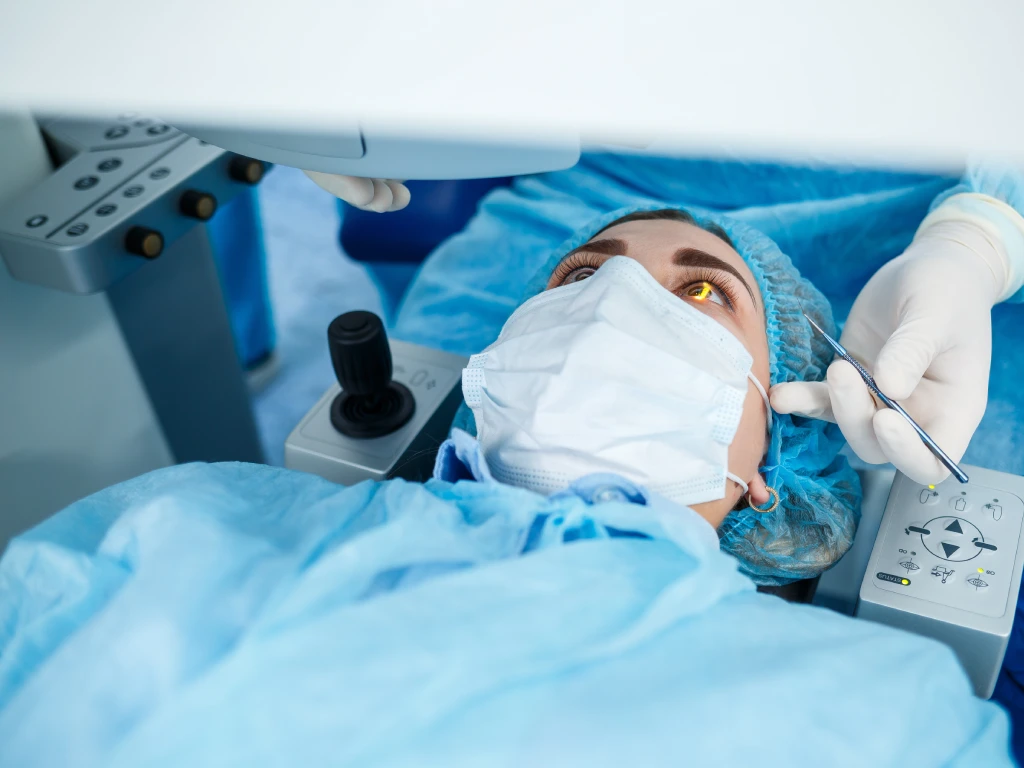
Laser eye refractive surgery may help reduce your dependence on reading glasses by reshaping the cornea, the clear front surface of your eye, to improve how your eyes focus. Laser refractive surgery can allow eyes to have a multifocal correction or monovision correction, where the laser corrects one eye for near vision and the other for distance vision.
However, laser eye surgery does not reverse the ageing process that causes presbyopia. Some people may still need glasses for certain activities, and the procedure may not be suitable for everyone.
4. Lens Replacement Surgery
This surgery replaces your eye's natural lens with an artificial lens to help improve your vision. Certain artificial lenses can help improve vision at different distances, such as when reading or looking at objects far away. This may reduce your dependence on glasses, although some people may still need them for certain activities.
Lens replacement may be considered for certain patients, such as those who can benefit from cataract surgery, where the eye's cloudy natural lens is removed and replaced with an artificial lens.
5. Prescription Eye Drops
Certain prescription eye drops may temporarily improve near vision by making the pupils smaller. This helps increase the range of distances at which objects appear clear.
However, the effects are temporary, and the drops do not reverse presbyopia. They may also cause side effects, such as headaches or changes in vision under low lighting, and are not suitable for everyone.
At Nobel Eye & Vision Centre, our ophthalmologists will be able to assess your eye health and discuss the appropriate treatment options for your condition and lifestyle.
Can Presbyopia Be Prevented?
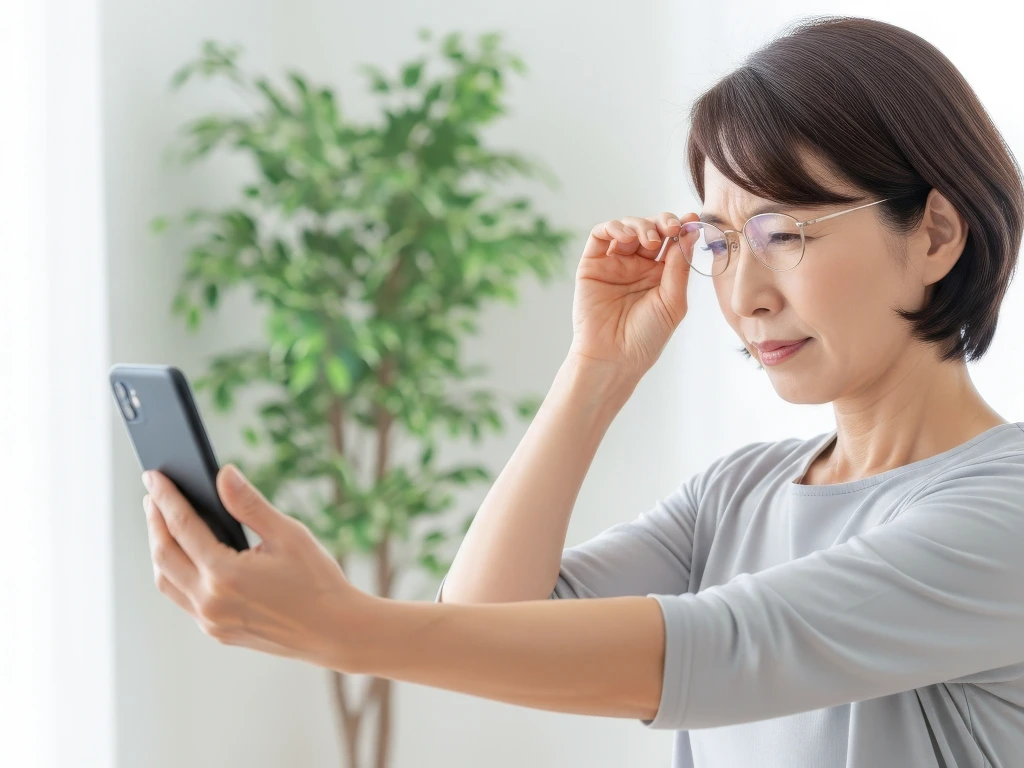
Presbyopia is a natural part of ageing. At present, there are no known ways to prevent its onset. However, a few simple habits may help make reading and other close-up activities more comfortable:
- Use adequate lighting when reading or doing detailed work.
- Increase the font size on your mobile phone or computer.
- Take regular vision breaks when using digital screens, especially after long periods of use, to reduce eye strain.
- Wear reading glasses or contact lenses with the correct prescription to help you see clearly and comfortably.
- Schedule regular eye examinations to monitor changes in your vision.
Although these habits do not stop presbyopia from progressing, they may help reduce eye strain and improve day-to-day comfort.
When Should You See an Eye Doctor?
Consider scheduling an eye examination if you:
- Frequently experience blurry near vision.
- Need to hold books or screens further away just to read.
- Experience headaches or eye strain during close-up activities.
- Find that your current reading glasses no longer provide clear vision.
- Notice changes in your vision that affect daily activities.
Seek urgent medical attention if you experience sudden vision loss, sudden blurred vision, new flashes or floaters, a dark curtain across your vision or sudden double vision.
If you notice gradual changes in your near vision, an eye examination can help identify the cause and determine whether you need glasses or other treatment.
At Nobel Eye & Vision Centre, our ophthalmologists provide eye assessments and can guide you through the available treatment options for presbyopia, based on your lifestyle needs.
Book an AppointmentFrequently Asked Question (FAQ)
Presbyopia usually becomes noticeable in the early to mid 40s, when reading small print or focusing on nearby objects may become more difficult. Presbyopia can continue to progress, before stabilising around the age of mid to late 60s.
No. Presbyopia does not go away on its own because the eye’s natural lens continues to lose flexibility with age. However, glasses, contact lenses and certain treatments can help improve near vision.
Presbyopia is a natural part of ageing that affects almost everyone to some degree, even those who have never needed glasses before. However, the age at which symptoms become noticeable can vary.
No. Presbyopia is caused by age-related changes in the eye lens, not by screen use. However, spending long periods looking at screens can cause eye strain, dryness, or temporary blurry vision.
Presbyopia is diagnosed through an eye examination. Our doctors may check how clearly you can see objects at different distances and assess whether you need reading glasses or other forms of vision correction.
It is recommended for all to have an initial eye examination 40 years ago. Subsequently, the frequency of eye examinations depends on your age, eye health, and whether you have other eye conditions. If you notice changes in your near vision, have difficulty reading, or find that your current glasses no longer help you see clearly, it may be time for an eye examination.