

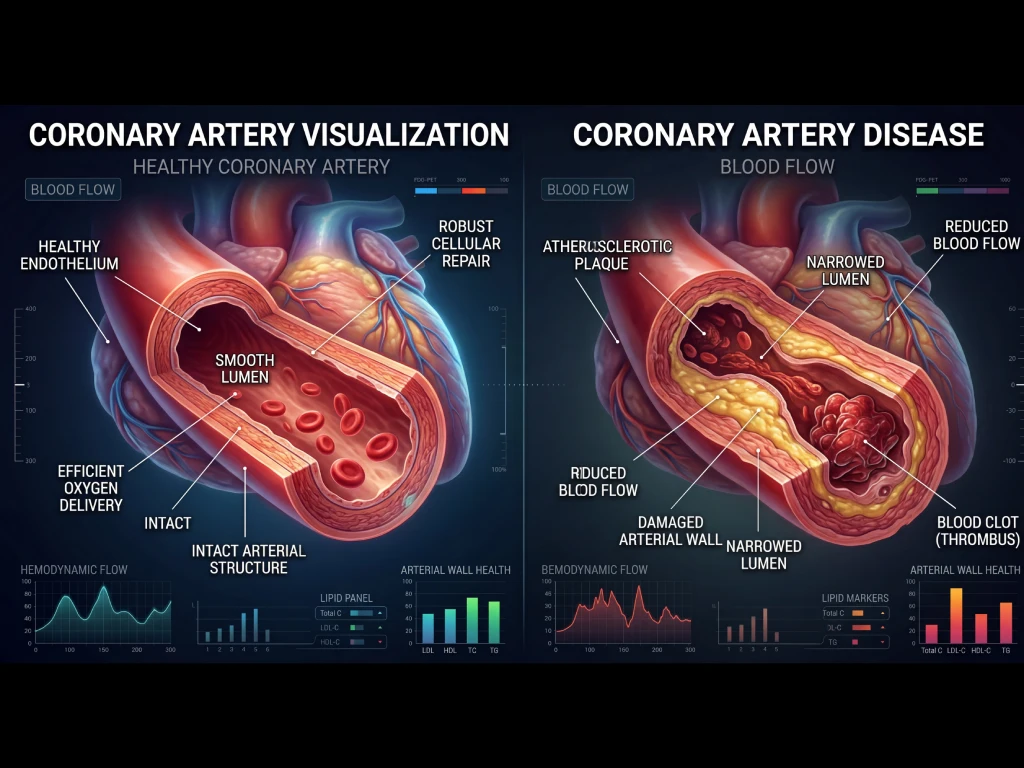
Coronary artery disease (CAD) is a common form of heart disease. It develops when atherosclerosis causes the coronary arteries to narrow. These arteries supply oxygen-rich blood to the heart muscle.
Plaque, which is made up of cholesterol, fat, calcium and other substances, can build up in the artery walls and reduce blood flow to the heart. If a plaque ruptures, a blood clot may form and suddenly block the artery, potentially causing a heart attack.
CAD may affect one or more coronary arteries. It can be symptom-free in its early stages or progress to significant narrowing that limits blood flow to the heart.
What Causes Coronary Artery Disease?
Coronary artery disease (CAD) is usually caused by atherosclerosis, the gradual build-up of plaque in the walls of the coronary arteries. Several factors can increase the likelihood of developing atherosclerosis and CAD, including:
Coronary Artery Disease Signs and Symptoms
Early coronary artery disease (CAD) may cause no symptoms. As the coronary arteries narrow, symptoms may become noticeable, particularly during physical activity.
Common symptoms include:
- Chest discomfort, including pain, pressure, tightness or heaviness
- Pain that spreads to the shoulders, arms, neck, jaw or back
- Shortness of breath
- Fatigue or reduced exercise tolerance
- Dizziness or lightheadedness
- Nausea or cold sweats
Symptoms can vary between individuals. Women, older adults and people with diabetes may experience less typical symptoms, such as fatigue, breathlessness or indigestion.
Coronary Artery Disease Risk Factors
Risk factors can increase the likelihood of developing coronary artery disease (CAD). The risk may be higher when several factors are present.
Medical Risk Factors
- High blood pressure
- High LDL cholesterol
- Diabetes or insulin resistance
- Obesity
- Sleep apnoea
- Chronic kidney disease
- Family history of heart disease
- Autoimmune diseases
Lifestyle Risk Factors
- Smoking or vaping
- Physical inactivity
- A diet high in saturated fats, trans fats, sugar or processed foods
- Excessive alcohol intake
- Chronic stress
- Poor sleep quality
Other Risk Factors
- Older age
- Male sex
- Menopause in women
- Ethnic background
Having multiple risk factors may further increase the likelihood of developing coronary artery disease.
How Is Coronary Artery Disease Diagnosed?
Doctors diagnose coronary artery disease (CAD) by considering your symptoms, medical history, physical examination and appropriate tests.
1. Medical Evaluation
Your doctor may ask about your symptoms, exercise tolerance, existing medical conditions, family history, smoking and lifestyle factors.
2. Common Tests for CAD
1. Electrocardiogram (ECG)
An ECG records the heart's electrical activity and may identify abnormal heart rhythms or signs that the heart is not receiving enough blood.
2. Blood Tests
Blood tests may be used to check cholesterol levels, blood sugar, inflammation markers and heart-related proteins.
3. Stress Test
A stress test assesses how the heart performs during exercise or medication-induced stress. It can help identify changes that may suggest reduced blood flow to the heart.
4. Echocardiogram
An echocardiogram uses ultrasound to assess the structure and function of the heart.
5. CT Coronary Angiogram
A CT coronary angiogram provides detailed images of the coronary arteries and can detect plaque and assess the degree of narrowing in the arteries.
6. Coronary Angiography
Coronary angiography is a minimally invasive procedure that uses contrast dye and imaging to visualise the coronary arteries and identify significant blockages.
7. Coronary Calcium Score
A coronary calcium score measures the amount of calcified plaque in the coronary arteries and can help assess cardiovascular risk. However, it does not detect non-calcified or soft plaque and therefore does not provide the same assessment of total plaque burden as a CT coronary angiogram.
Coronary Artery Disease Treatment
Treatment aims to relieve symptoms, improve blood flow, and lower the risk of a heart attack. Your plan will depend on the severity of CAD, your symptoms, and your overall health.
1. Medications
Medicines may be used to control symptoms and reduce cardiovascular risk.
Options can include:
- Cholesterol-lowering medicines
- Blood pressure medicines
- Antiplatelet medicines, such as aspirin
- Beta blockers
- Calcium channel blockers
- Nitroglycerin
- Diabetes medicines
- Weight loss medications
Your doctor will tailor treatment to your condition and risk profile.
2. Procedures and Interventions
If necessary, treatment may also include:
- Angioplasty with stenting
- Coronary artery bypass grafting (CABG)
Coronary Artery Disease Recovery and Prevention
CAD is a long-term condition, but treatment and risk-factor management can slow its progression and reduce complications.
Key steps include:
- Managing cholesterol, blood pressure, and diabetes
- Being physically active as advised by your care team
- Following a balanced diet
- Avoiding smoking
- Maintaining a healthy weight and sleep routine
- Managing stress
- Attending recommended follow-up appointments and health screenings
Preventive care is especially important for individuals with existing risk factors.
When Should You See a Doctor?
Arrange a medical assessment if you develop new or recurring symptoms, particularly:
- Chest pain or pressure, especially with physical activity
- Breathlessness during usual activities
- Unexplained fatigue, palpitations, dizziness, or fainting
Seek emergency medical care immediately for severe, persistent, or sudden chest pain, especially if it occurs with breathlessness, sweating, nausea, or pain spreading to the arm, jaw, neck, or back.
Book an AppointmentFrequently Asked Questions (FAQ)
CAD is a long-term condition. However, lifestyle changes, medicines, and procedures can control symptoms, slow progression, and reduce complications.
Yes. CAD is more common with age, but younger people with risk factors such as smoking, obesity, high cholesterol, or diabetes can also develop it.
Physical activity can benefit many people with CAD, but the safest type and intensity should be individualised after medical evaluation.
Chronic stress can worsen blood pressure and unhealthy habits, contributing to cardiovascular risk.
CAD can be silent. When symptoms occur, chest discomfort (angina), breathlessness, or fatigue during activity are common early warning signs.
Complete reversal cannot be guaranteed, but treatment and lifestyle changes can often stabilise plaque, slow progression possibly regression and lower the risk of complications.