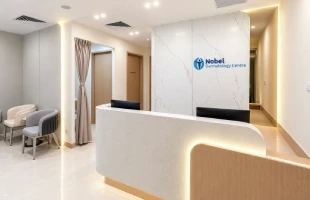

See a dermatologist in Singapore for skin, hair or nail conditions – from acne and eczema to psoriasis and skin cancer.
Nobel Dermatology Centre is a specialist skin clinic located at Royal Square, Novena. Your care is led by Dr Wang Dingyuan, an MOH-accredited dermatologist and former Senior Consultant at the National Skin Centre (NSC).
A rash that won’t settle? A stubborn skin growth? A long-term condition like psoriasis? We focus on providing an accurate diagnosis, followed by a tailored treatment plan to suit you.
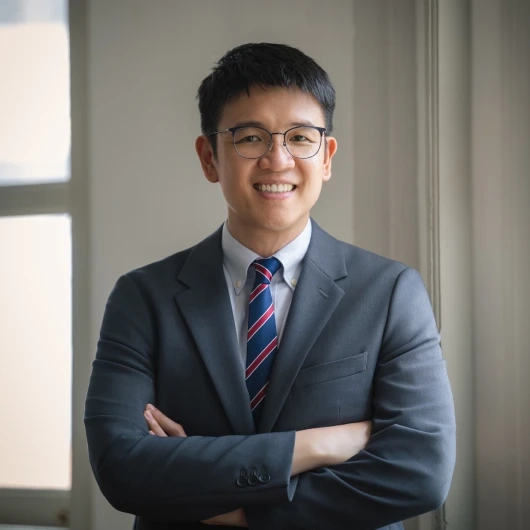
Dr Wang Dingyuan
Dr Wang Dingyuan is a Senior Consultant Dermatologist with over a decade of experience at the National Skin Centre in Singapore. He treats a wide range of skin conditions, including acne, rosacea, eczema (dermatitis), psoriasis, hives, warts, other skin infections, moles and skin growths (including skin tag removal), skin cancer, pigmentation concerns, and hair loss (alopecia). He speaks English, Mandarin, and Hokkien and practises at Nobel Dermatology Centre.
Learn More About Dr WangSkin, Hair & Nail Conditions We Treat
From everyday skin problems to complex and rarer skin diseases, Dr Wang diagnoses and treats:
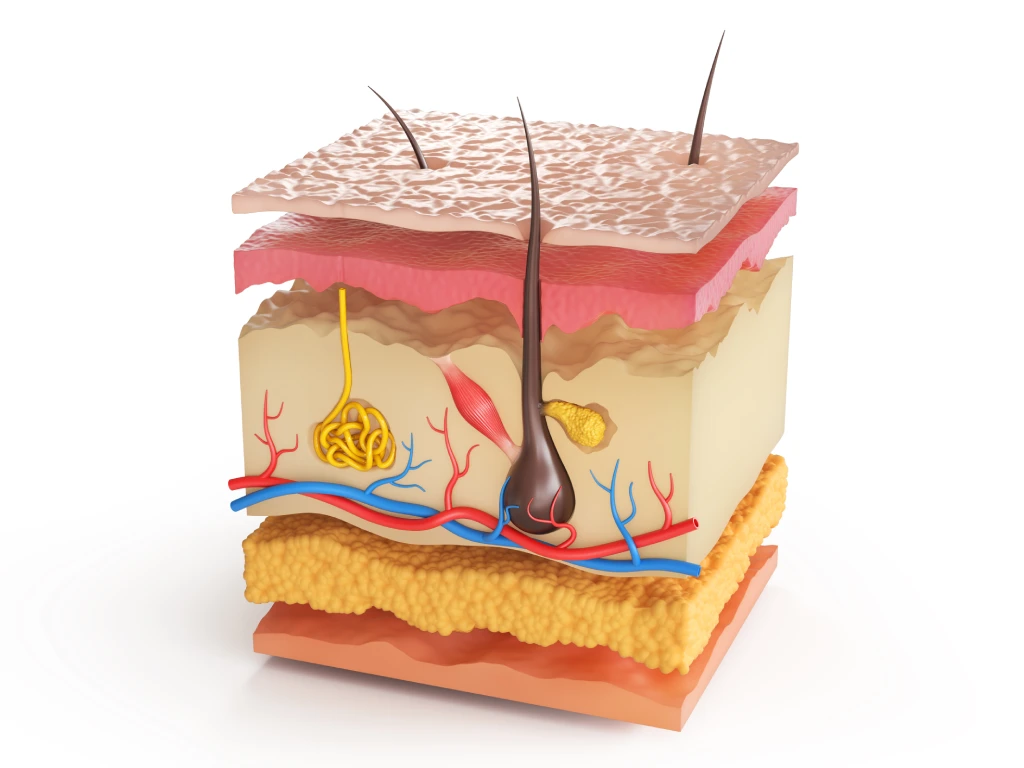

Acne & Rosacea
Medical treatment for stubborn teenage or adult acne breakouts, rosacea (facial redness with pimples), and laser treatment for acne scars.


Eczema & Dermatitis
Relief from itchy, inflamed, dry or weepy skin – eczema treatment ranges from prescription creams to targeted oral medicines or biologic injections for more severe cases.

Psoriasis
Red, flaky patches often found on the scalp, ears and elbows; nails and joints can be affected too. Psoriasis treatment ranges from creams to biologic injections.

Skin, Hair & Nail Infections
Bacteria, viruses and fungi can attack skin, nails or hair. We provide treatment for these infections, including impetigo, shingles, warts and ringworm.
Hives & Other Skin Rashes
Treatment of recurring hives (urticaria), blistering skin conditions and other unexplained rashes that may be linked to allergies, medications or internal illnesses.

Moles, Skin Growths & Skin Cancer
Thorough clinical assessment of skin growths – from moles, warts, cysts and skin tags to skin cancer. We advise on and perform the appropriate removal method, including surgery, electrocautery, cryotherapy (liquid nitrogen) and laser.

Pigmentation & Vitiligo
Targeted treatment for skin that has darkened (e.g. sun spots, melasma) or lightened (e.g. vitiligo).
Hair Loss (Alopecia)
Hair loss has several possible causes. We focus on accurate diagnosis that guides appropriate treatment.
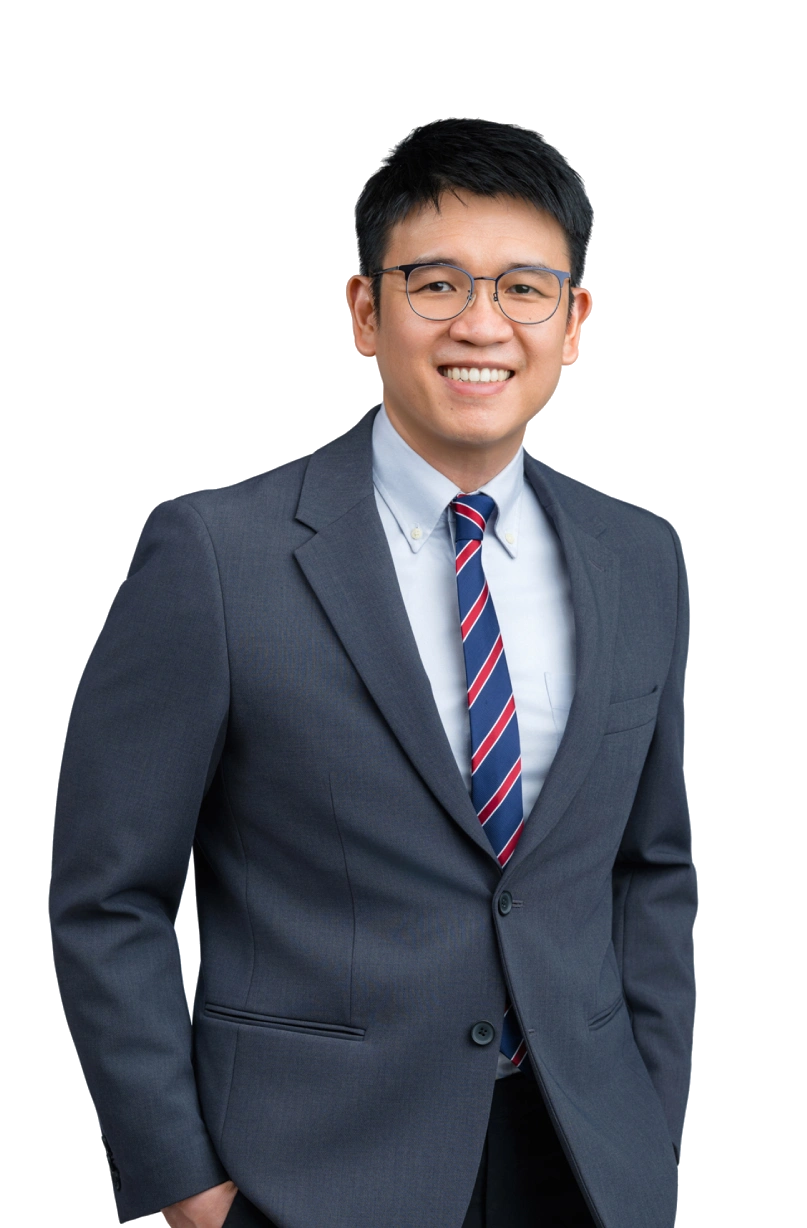
Dr Wang Dingyuan
Senior Consultant Dermatologist
“Most illnesses can be kept private. Skin disease is worn in public.
I treat the skin. I care for the person living in it.”
– Dr Wang Dingyuan
Dr Wang’s practice is dedicated to medical dermatology – diagnosing and treating diseases of the skin, hair and nails. Prior to private practice, he spent over a decade at the National Skin Centre – Singapore’s national centre for dermatologic care.
Public Healthcare Experience
At the National Skin Centre (NSC), he held leadership appointments including Deputy Head of the Inpatient Dermatology Service and Chief Resident of the Dermatology Residency Programme.
Academic Background
He graduated with a Distinction in Medical Sciences from Barts and The London School of Medicine and Dentistry. Following his specialist training at NSC, he completed a clinical fellowship at the Salford Royal NHS Foundation Trust in Manchester, UK.
Research Output
He has published over two dozen peer-reviewed scientific articles spanning topics such as psoriasis, blistering skin diseases, drug reactions, hidradenitis suppurativa, infections and skin cancer.
Medical Education Commitments
He served as Clinical Senior Lecturer at the NUS Yong Loo Lin School of Medicine and Adjunct Senior Lecturer at the NTU Lee Kong Chian School of Medicine. He has received the Dean’s Award for Teaching Excellence and the NHG Teaching Award.
Multilingual Consultations
Dr Wang consults in English, Mandarin and Hokkien, so you can discuss your concerns in the language you are most comfortable with.
Why Choose Nobel Dermatology Centre?
- Specialist-led care: Dr Wang, who has over a decade of experience in dermatology, personally leads your care from first visit to follow-up.
- Comprehensive evaluation: A detailed discussion of your symptoms and a thorough skin examination, with your diagnosis and treatment options explained clearly.
- Treatment matched to you: Evidence-based options ranging from prescription creams to targeted oral medications, biologics, minor skin procedures or lasers.
- Ongoing care: Regular reviews to carefully adjust treatment, aiming to keep long-term conditions under control.
- Your language: Consultations in English, Mandarin or Hokkien.
- Easy access: Conveniently located at Royal Square Medical Centre, right next to Novena MRT station. Direct appointments are welcome – no GP referral required.
Frequently Asked Questions About Dermatology
SEEING A DERMATOLOGIST IN SINGAPORE
What does a dermatologist (skin doctor) treat?
A dermatologist is a medical doctor who specialises in diseases of the skin, hair and nails. They diagnose and treat conditions such as acne, eczema, psoriasis, hair loss (alopecia) and various skin growths, including skin cancer. In Singapore, dermatologists are accredited as specialists by the Ministry of Health (MOH).
When should I see a dermatologist?
Your GP can manage a variety of skin problems. See a dermatologist if:
- your skin hasn’t improved after a few weeks of treatment
- the problem keeps coming back or is actively spreading
- it’s affecting your sleep, work or daily life
- a mole or skin growth is new, changing in shape or colour, bleeding or not healing
- you are experiencing unexplained hair loss or nail changes
Do I need a referral to see a dermatologist in Singapore?
No. You can book an appointment with us directly. Referrals are generally needed only for subsidised care at public institutions such as the National Skin Centre.
If you plan to claim from your insurer or company health plan, check whether a GP referral letter is required.
Is dermatology care covered by insurance in Singapore?
It depends on your insurance plan and the nature of your condition.
Some plans cover medically necessary specialist treatments, while cosmetic treatments are generally excluded. Reimbursement amounts for certain therapies also differ from insurer to insurer.
We recommend checking your benefits with your insurer first; our team is happy to assist you with the necessary medical documentation.
COMMON SKIN CONCERNS
What are some of the common skin conditions in Singapore?
Eczema (or dermatitis), acne, fungal infections, hives (urticaria), psoriasis, warts and pigmentation (e.g. melasma, sun spots) are among the most common. Singapore’s year-round heat and humidity encourage sweating, which can aggravate some of these conditions, while strong UV exposure can worsen pigmentation.
Is my skin rash caused by an allergy?
Possibly, but not always.
Some rashes are true allergic reactions to personal care products, foods, medications or even the environment (e.g. sunlight).
Others are linked to infection, inflammation or an underlying medical illness. Sometimes, a rash may develop without an external trigger.
A dermatologist can help make the right diagnosis, identify relevant triggers and guide treatment.
How is psoriasis treated?
Psoriasis has no permanent cure yet, but modern treatments can control it effectively. The choice of treatment depends on the severity, and may include:
- Prescription creams
- Oral tablets – some work by suppressing the immune system, others don’t
- Biologics – injections targeting specific parts of the immune system that drive psoriasis
- UV light (phototherapy), where appropriate
Psoriasis can also affect the joints and nails, which may influence the choice of treatment. Psoriasis is not contagious.
Why do I still get acne as an adult?
Adult acne is common. Hormones, stress, cosmetics and even medications can all contribute. It can also be confused with rosacea, a separate skin condition that can look very similar.
If over-the-counter products have not worked, prescription creams and tablets can help control breakouts and reduce the risk of permanent scarring.
Why is my skin still so itchy even when I moisturise?
Dry, itchy, inflamed skin can be a sign of eczema. Moisturisers alone may be enough for milder cases, but more serious cases also need anti-inflammatory creams, or targeted oral or injectable treatments.
Several other skin conditions can resemble eczema as they also cause persistent, dry, itchy and inflamed skin. A dermatologist can confirm the diagnosis and recommend appropriate treatment.
Should I get a mole or skin growth checked?
Yes. Have a dermatologist check any growth or mole that is new, growing, changing (e.g. in shape, colour or texture) or causing symptoms (e.g. itch, bleeding, pain or not healing).
While the vast majority of individual skin growths are harmless (benign), skin cancer is common on a population level. In 2019–2023, non-melanoma skin cancer was the 6th most common cancer in men and the 8th in women in Singapore (Singapore Cancer Registry Annual Report 2023). Early specialist assessment – and occasionally a minor skin biopsy – may be needed to rule out skin cancer.
Concerned about any of the above? Dealing with another stubborn skin problem? Book a specialist consultation at our Novena clinic today.
Our Specialist
Dr Wang Dingyuan
Senior Consultant Dermatologist Dr Wang Dingyuan is a Senior Consultant dermatologist focused on medical dermatology. He treats a wide range of skin, hair, and nail diseases, with special interests in psoriasis and skin problems from underlying illnesses.Available at

Nobel Dermatology Centre