

Type 2 diabetes, also known as Type 2 diabetes mellitus, is a long-term condition that occurs when the body does not use insulin effectively, or when the body's cells become resistant to insulin. Over time, blood glucose levels rise above the healthy range.
As a result, glucose builds up in the bloodstream instead of being properly used by the body's cells for energy.
Type 2 diabetes usually develops gradually. In most people, blood glucose levels first rise into the pre-diabetes range before reaching the level used to diagnose Type 2 diabetes.
What Is Prediabetes?
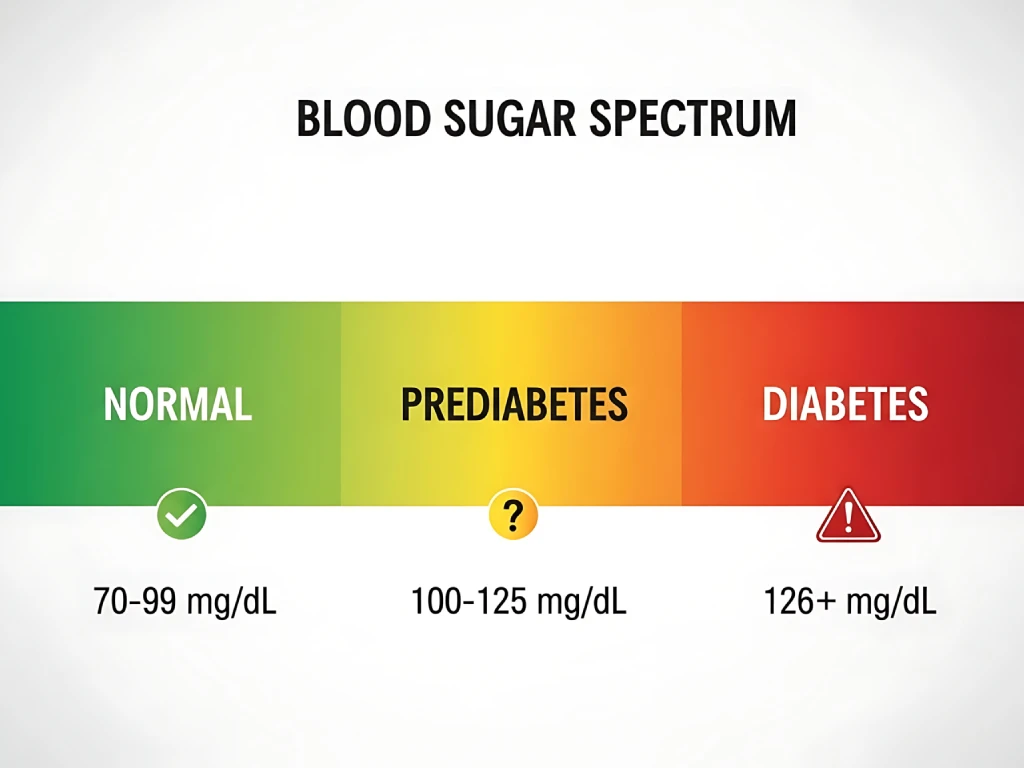
Prediabetes is an early warning that your body is not controlling blood glucose as well as it should.
Prediabetes may be identified through blood tests as:
- Impaired fasting glucose: When fasting blood glucose is higher than normal after fasting.
- Impaired glucose tolerance: When blood glucose remains higher than normal after drinking a glucose solution during a test.
Most people with prediabetes do not experience noticeable symptoms, which is why it is often detected during routine blood tests.
However, prediabetes does not always progress to Type 2 diabetes. Healthy eating, regular physical activity and weight management, where appropriate, can help lower the risk of progression.
What Are the Symptoms of Type 2 Diabetes?
Type 2 diabetes often develops slowly, with few or no noticeable symptoms, particularly in the early stages.
When symptoms occur, they may include:
- Feeling more thirsty than usual
- Urinating more frequently
- Feeling unusually hungry
- Fatigue
- Blurred vision
- Unexplained weight loss
- Cuts or wounds that take longer to heal
- Tingling or numbness in the hands or feet
- Frequent infections
- Dry skin
- Darkened areas of skin, particularly around the neck or armpits
Some people may also experience recurring infections, such as skin infections, urinary tract infections (UTIs) or genital yeast infections.
Having one or more of these symptoms does not necessarily mean you have diabetes. A blood test is needed to check your glucose levels and confirm the diagnosis.
What Causes Type 2 Diabetes?
Type 2 diabetes develops when the body does not use insulin properly and, over time, is unable to produce enough insulin naturally to keep blood glucose within a healthy range.
Several factors can increase the risk, including:
- Family history of Type 2 diabetes
- Being overweight or obese
- Low levels of physical activity
- Prediabetes
- Previous gestational diabetes
- Underlying health conditions, such as polycystic ovary syndrome
There is usually no single cause. Type 2 diabetes often develops because of a combination of genetics, lifestyle and changes in how the body responds to insulin.
How Is Type 2 Diabetes Diagnosed?
Type 2 diabetes is diagnosed through blood tests that measure the amount of glucose in your bloodstream.
Your doctor may recommend one or more of the following tests:
| Blood Test | What It Measures |
|---|---|
| Fasting blood glucose test | Measures blood glucose after fasting, usually for at least 8 hours. |
| HbA1c blood test | Measures your average blood glucose levels over approximately 2 to 3 months. |
| Oral glucose tolerance test (OGTT) | Measures how your body processes glucose after drinking a glucose solution. |
| Random blood glucose test | Measures blood glucose at any time, regardless of when you last ate. |
Your doctor will interpret the results alongside your symptoms, medical history and risk factors.
In some cases, repeat blood tests may be needed to confirm the diagnosis.
How Is Type 2 Diabetes Treated?
Managing Type 2 diabetes usually involves a combination of lifestyle changes, medication and regular health monitoring.
Treatment may include:
- Healthy eating: Choosing balanced meals and managing carbohydrate intake to help maintain blood glucose levels.
- Regular physical activity: Staying active to help the body use insulin more efficiently.
- Weight management: Maintaining a healthy weight, where appropriate, to support blood glucose control.
- Diabetes medication: Taking prescribed medication to help lower or regulate blood glucose when needed.
- Blood glucose monitoring: Checking glucose levels as recommended by your doctor.
- Regular health checks: Monitoring your overall health and identifying possible complications.
Treatment is individualised because not everyone with Type 2 diabetes needs the same medication, glucose target or monitoring schedule.
The aim of treatment is to keep blood glucose within an appropriate range and reduce the risk of long-term complications affecting the heart, kidneys, eyes, nerves and feet.
What Are the Possible Complications of Type 2 Diabetes?
Over time, persistently high blood glucose levels can damage blood vessels and nerves, increasing the risk of health complications.
These may include:
- Heart disease and stroke: Damage to blood vessels may increase the risk of cardiovascular problems.
- Kidney disease: High blood glucose can gradually affect kidney function.
- Diabetic eye disease: Damage to small blood vessels in the retina may affect vision.
- Nerve damage: Some people may experience numbness, tingling or reduced sensation, particularly in the feet.
- Foot problems: Poor circulation and nerve damage may increase the risk of wounds and infections.
Managing blood glucose, blood pressure and cholesterol, together with regular health checks, can help reduce the risk of developing these complications.
When Should You See a Doctor?
Consider speaking to a doctor if you:
- Are unusually thirsty
- Urinate much more frequently than usual
- Experience unexplained weight loss
- Feel persistently tired despite rest
- Have blurred vision
- Have wounds that are slow to heal
- Develop repeated infections
- Have numbness or tingling in your hands or feet
- Have risk factors for Type 2 diabetes
- Have previously been told that you have prediabetes
- Previously had gestational diabetes
As Type 2 diabetes and prediabetes may cause no symptoms, you do not need to wait until you feel unwell to see a doctor. Speak to a specialist or family doctor about screening if you have risk factors such as a family history of diabetes, higher BMI, previous gestational diabetes or a sedentary lifestyle.
Our endocrinologists, Dr Nitish Mishra and Dr Tng Eng Loon at Nobel Diabetes, Thyroid & Endocrine Centre, can help assess your risk, recommend appropriate screening tests and guide you on managing blood sugar levels to support your long-term health.
Book an AppointmentFrequently Asked Question (FAQ)
Not by sugar alone. Type 2 diabetes develops due to a combination of factors, including insulin resistance, genetics, body weight, physical activity and other health factors. Diet can influence your risk, but it is not the only cause.
Blood glucose targets depend on the type of test and your individual circumstances. Your doctor will interpret your fasting glucose, HbA1c or other test results and explain whether they fall within the normal, prediabetes or diabetes range.
This varies from person to person. Some people need regular home blood glucose monitoring, while others may mainly be monitored through scheduled HbA1c blood tests. Your doctor will advise on the frequency of blood sugar checks based on your treatment plan and glucose control.
Blood glucose levels in people with prediabetes can sometimes return to the normal range through lifestyle changes, such as healthier eating, regular physical activity and weight management.
However, the risk of developing Type 2 diabetes may remain, so ongoing healthy habits and regular monitoring are important.