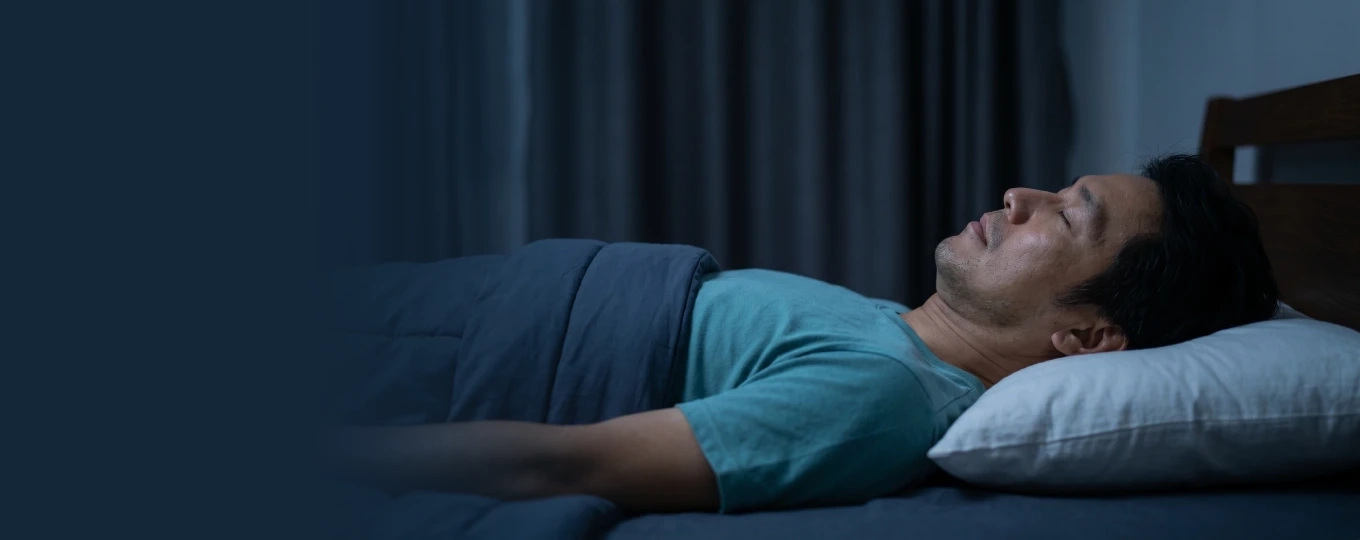
Sleep apnoea occurs when airflow is repeatedly reduced or blocked during sleep. Each pause in breathing triggers a brief arousal from sleep, allowing breathing to resume.
Although these awakenings are usually not remembered, they fragment sleep cycles and prevent the body from reaching restorative stages of sleep.
Over time, this leads to poor sleep quality and increased strain on the cardiovascular and nervous systems.
Types of Sleep Apnoea
Sleep apnoea is broadly classified into three main types, based on the underlying cause of disrupted breathing:
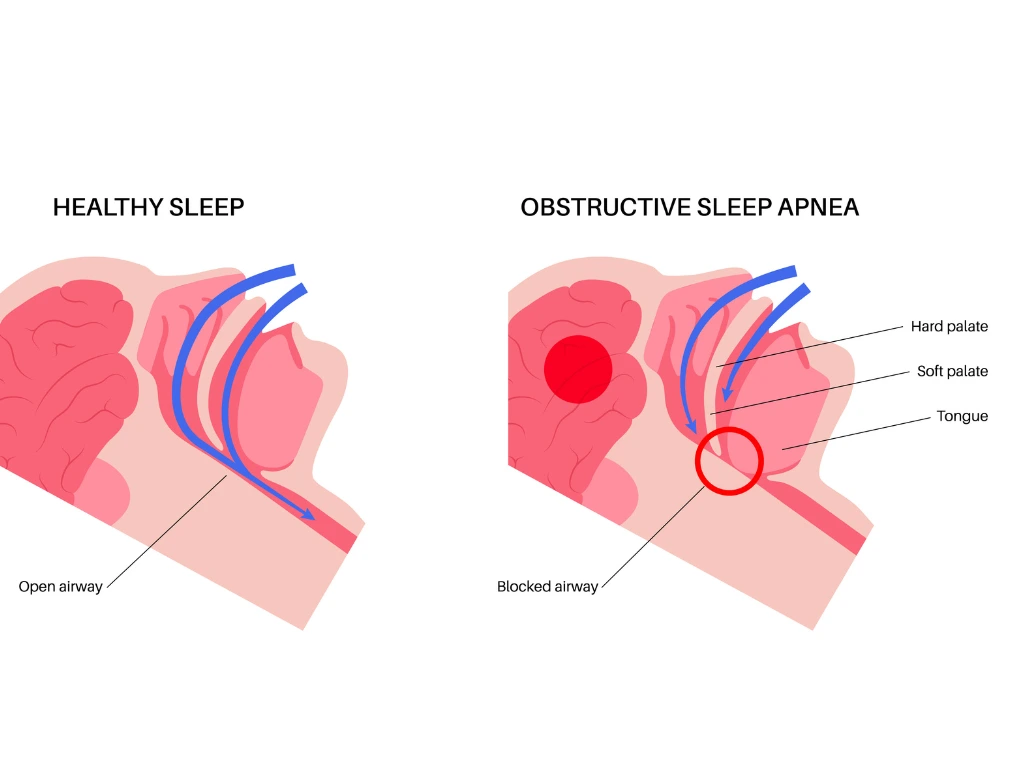
1. Obstructive Sleep Apnoea (OSA)
Obstructive sleep apnoea is the most common type. It occurs when the airway becomes partially or completely blocked during sleep due to relaxation of throat muscles.
Air still tries to pass through, but airflow becomes restricted or completely blocked.
Common contributing factors include:
- Enlarged tonsils or adenoids
- Excess weight
- Narrow airway structure
- Nasal congestion
2. Central Sleep Apnoea (CSA)
Central sleep apnoea occurs when the brain does not send consistent signals to the breathing muscles. Unlike obstructive sleep apnoea, there is no physical blockage.
It may be associated with:
- Relaxation of throat muscles during sleep
- Enlarged tonsils or adenoids
- Excess body weight
- Nasal obstruction or chronic allergies
- Naturally narrow airway
3. Mixed or Complex Sleep Apnoea
This is a combination of both obstructive and central sleep apnoea. It may be identified when central apnoea persists or emerges during treatment for obstructive sleep apnoea.
Symptoms of Sleep Apnoea
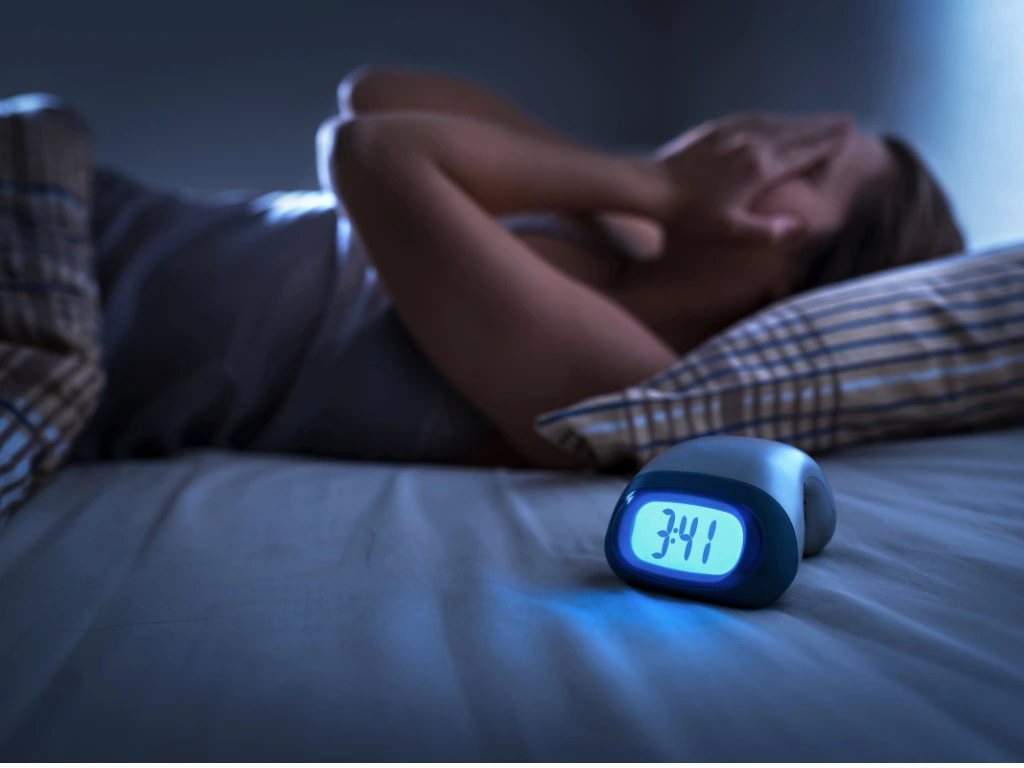
Symptoms of sleep apnoea can present both during sleep and throughout the day, often affecting overall quality of life.
1. Night-time Symptoms
- Loud, persistent snoring
- Pauses in breathing, often noticed by a partner
- Gasping, choking, or snorting during sleep
- Frequent awakenings or restless sleep
- Night Sweats
2. Daytime Symptoms
- Excessive daytime sleepiness
- Morning headaches
- Dry mouth or sore throat upon waking
- Difficulty concentrating or memory lapses
- Mood changes, including irritability, anxiety, or low mood
3. Symptoms in Children
In children, sleep apnoea may present differently and is often mistaken for behavioural issues. Common signs include:
- Loud or regular snoring
- Mouth breathing during sleep
- Restless sleep
- Bedwetting in older children
- Hyperactivity or behavioural changes
- Poor attention or learning difficulties
Enlarged tonsils and adenoids are the most common cause in paediatric cases.
Risk Factors
Certain individuals are more likely to develop sleep apnoea due to anatomical, lifestyle, or medical factors. Risk factors include:
- Excess weight or obesity, which can contribute to airway narrowing
- A family history of sleep apnoea
- Smoking or regular alcohol consumption
- Chronic nasal congestion or allergies
- High blood pressure or cardiovascular disease
- Type 2 diabetes
- Age over 40, as muscle tone gradually decreases over time
While sleep apnoea is more commonly diagnosed in men, the risk in women increases after menopause due to hormonal changes that affect airway stability.
Complications of Untreated Sleep Apnoea
Sleep apnoea is more than a sleep disturbance. Over time, repeated interruptions in breathing can place significant strain on multiple body systems, particularly the cardiovascular and neurological systems.
If left untreated, it may increase the risk of:
- High blood pressure (hypertension)
- Heart disease and abnormal heart rhythms
- Stroke
- Type 2 diabetes
- Depression and other mood disorders
- Daytime “microsleeps”, which can be dangerous during activities such as driving
- Increased risk of workplace and road accidents
Severe untreated sleep apnoea is also associated with increased cardiovascular risk.
How Sleep Apnoea Is Diagnosed
Diagnosis begins with a clinical evaluation of symptoms, sleep history, and risk factors, followed by confirmatory testing.
1. Sleep Study (Polysomnography)
This is the most comprehensive diagnostic test and is typically conducted overnight in a sleep laboratory. It monitors:
- Brain activity
- Breathing patterns
- Oxygen levels
- Heart rate and rhythm
- Sleep stages
This provides a detailed evaluation of how sleep apnoea affects your body throughout the night.
2. Home Sleep Test
A simplified version of a sleep study that can be done at home. It measures breathing, airflow, and oxygen levels during sleep.
3. Severity Measurement (AHI Score)
Sleep apnoea severity is classified by the number of breathing interruptions per hour:
- Mild: 5–14 events/hour
- Moderate: 15–29 events/hour
- Severe: 30+ events/hour
Treatment Options for Sleep Apnoea
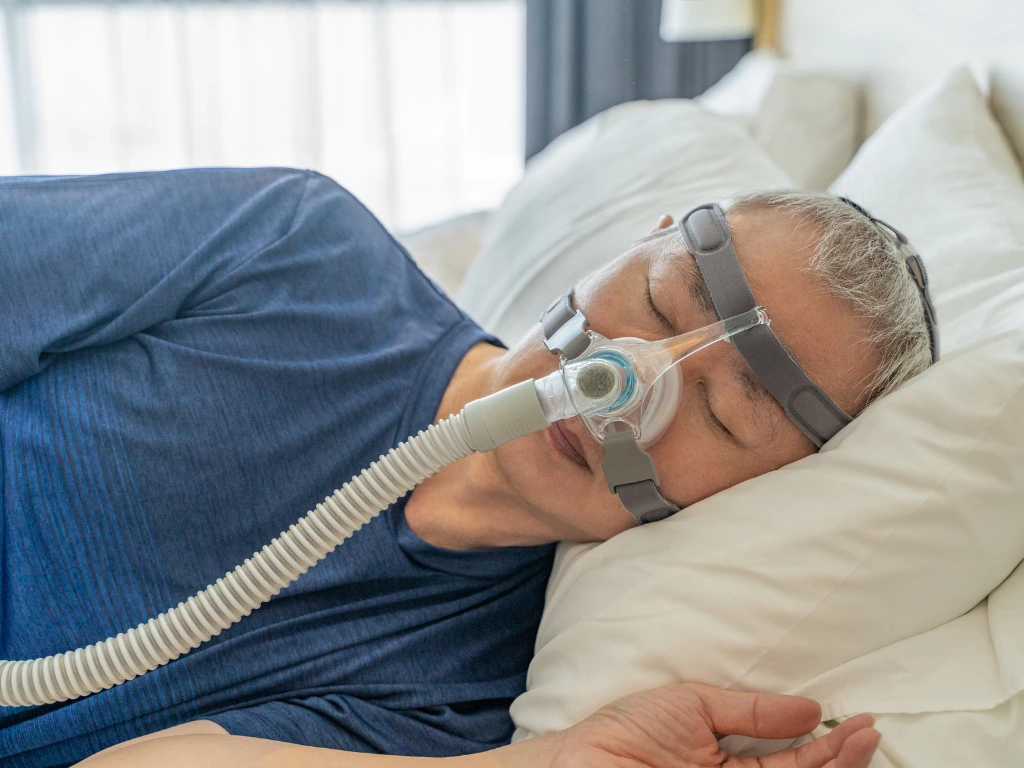
Treatment depends on severity, symptoms, and underlying cause. The goal is to restore normal airflow during sleep and improve sleep quality.
1. Contonious Positive Airway Pressure (CPAP) Therapy
Continuous Positive Airway Pressure (CPAP) is the most effective treatment for moderate to severe obstructive sleep apnoea. It works by delivering steady air pressure to keep the airway open during sleep.
2. Oral Appliance Therapy
Custom-fitted dental devices that reposition the jaw and tongue to improve airway space. This is often used for mild to moderate cases or for patients who cannot tolerate CPAP.
3. Lifestyle Changes
In some cases, especially mild sleep apnoea, lifestyle changes can significantly improve symptoms:
- Weight management
- Regular exercise
- Avoiding alcohol before bedtime
- Sleeping on the side
- Treating nasal congestion or allergies
4. Surgery Options
Surgical treatment may be considered when structural issues are present. Options may include:
- Tonsil or adenoid removal
- Nasal surgery
- Jaw repositioning procedures
- Upper airway stimulation devices
In some cases, especially mild sleep apnoea, lifestyle changes can significantly improve symptoms:
- Weight management
- Regular exercise
- Avoiding alcohol before bedtime
- Sleeping on the side
- Treating nasal congestion or allergies
5. Central Sleep Apnoea Treatments
Management focuses on treating underlying medical conditions and supporting breathing regulation through:
- Oxygen therapy
- Adaptive ventilation devices
- Cardiac or neurological treatment
Prevention and Risk Reduction
Not all cases can be prevented, especially those related to anatomy or neurological conditions. However, risk can be reduced through:
- Maintaining a healthy weight to reduce pressure on the airway
- Engaging in regular physical activity to support overall respiratory and cardiovascular health
- Managing chronic conditions
- Avoiding smoking and limiting alcohol intake, especially before sleep
- Practising good sleep habits, including maintaining a consistent sleep schedule and sleeping position
While these steps can be beneficial, they do not replace medical evaluation if symptoms are present. Early assessment remains important for accurate diagnosis and appropriate management.
When Should You See a Doctor?
Medical evaluation is recommended if you experience:
- Loud or persistent snoring
- Breathing pauses during sleep
- Ongoing daytime fatigue
- Difficulty concentrating or memory issues
In some situations, symptoms may indicate a more serious underlying condition and require immediate care. Seek urgent medical attention if you experience chest pain, breathing difficulty, or symptoms of stroke.
Book an AppointmentFrequently Asked Questions About Sleep Apnoea
Yes. It is more common than many people think, especially among adults with busy lifestyles or underlying health conditions.
Not always. However, loud and frequent snoring combined with fatigue could be a warning sign.
Some cases improve with weight loss or treatment, but many people manage it long-term with devices like CPAP.
Yes. If untreated, it can increase the risk of heart disease, stroke, and other serious health conditions.
Yes. While more common after 40, it can affect younger adults and even children.
Our Specialist

Dr Annette Ang Hui Chi
Senior Consultant Ear, Nose and Throat Dr. Annette Ang, an ENT specialist, holds an MBBS, MSc, and MMed (Otolaryngology) from NUS. She trained at Weill Cornell and specializes in pediatric ENT, treating tonsil issues, snoring, allergies, nosebleeds, and complex airway conditions.
Dr Fung Chak Yuen
Senior Consultant Ear, Nose and Throat Dr Fung Chak Yuen is a Specialist in Otorhinolaryngology with expertise in sinus, nasal and ear disorders, snoring, hearing loss, thyroid conditions, and facial plastic and reconstructive surgery.