
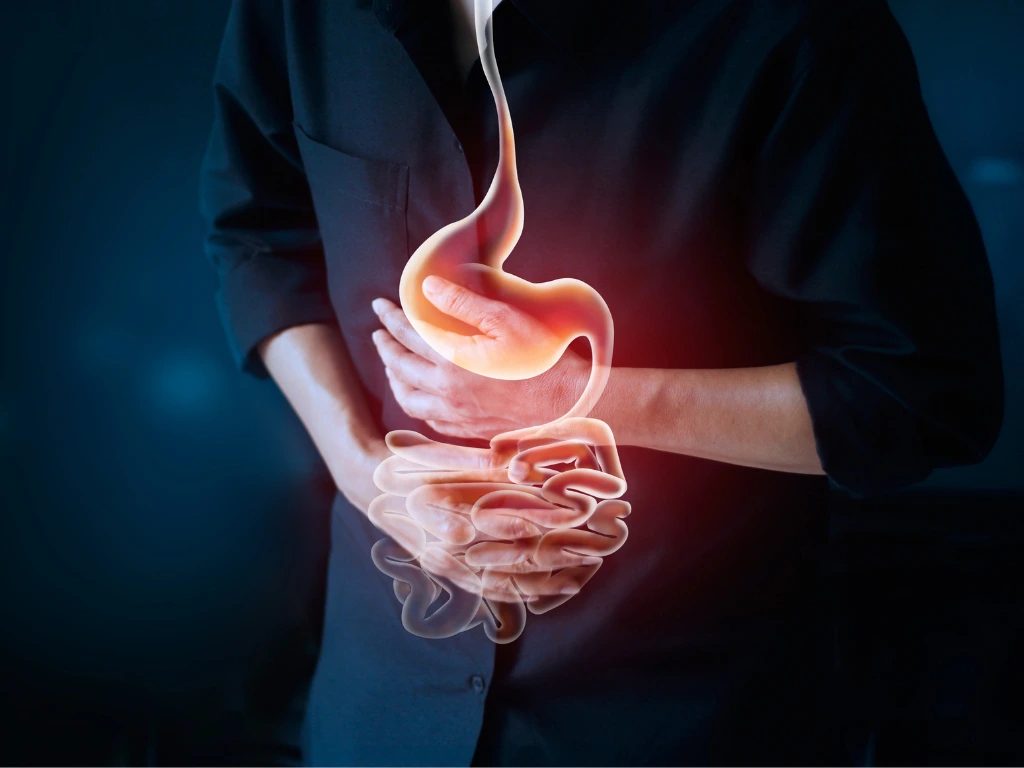
You notice your stomach feels tight, uncomfortable, or visibly bloated, even when nothing obvious has changed in your routine and you’re eating well.
A bloated stomach can appear after meals. Other times it builds up later in the day or after a stressful period. For many people, it also becomes more noticeable around their menstrual cycle resulting bloating during period.
So, the question is simple: is this normal?
The truth is that chronic bloating is not always directly related to food. In many cases, it reflects how your digestive system, gut health, hormones, and stress response interact.
Key Takeaways
- Chronic bloating and gas are often linked to gut function, hormones, and stress rather than food alone
- Hormonal bloating commonly follows menstrual or emotional stress patterns
- Persistent or worsening symptoms may require medical evaluation
- A structured assessment helps identify the real cause of what causes bloating in the stomach
Why Chronic Bloating Is Often More Than Just Food
Bloating is commonly associated with diet, but the digestive system is influenced by more than what we eat.
Your digestive system is closely connected to:
- Hormones
- Stress response
- Gut–brain communication
This means a bloated stomach can occur even without any clear dietary trigger.
In many cases, food is simply the trigger that reveals an underlying sensitivity in the gut.
Why Bloating Worsens Before Your Period or During Stress
Many patients notice that bloating follows a monthly or stress-related pattern
- Hormonal water retention
Before menstruation, fluctuations in oestrogen can cause the body to retain fluid. This may result in a sensation of abdominal swelling or tightness. - Progesterone and slowed digestion
During the menstrual cycle, progesterone can slow gut motility. This means food moves more slowly through the digestive tract, increasing gas and bloating. - Stress and the gut–brain connection
Stress affects digestion through the gut–brain axis. When cortisol levels rise, the digestive system may:- Slow down
- Become more sensitive
- React more strongly to normal food intake
Food Sensitivity & Digestive Disorders
In some cases, bloating is triggered by specific foods, but the pattern is often inconsistent or overlapping.
Common triggers include:
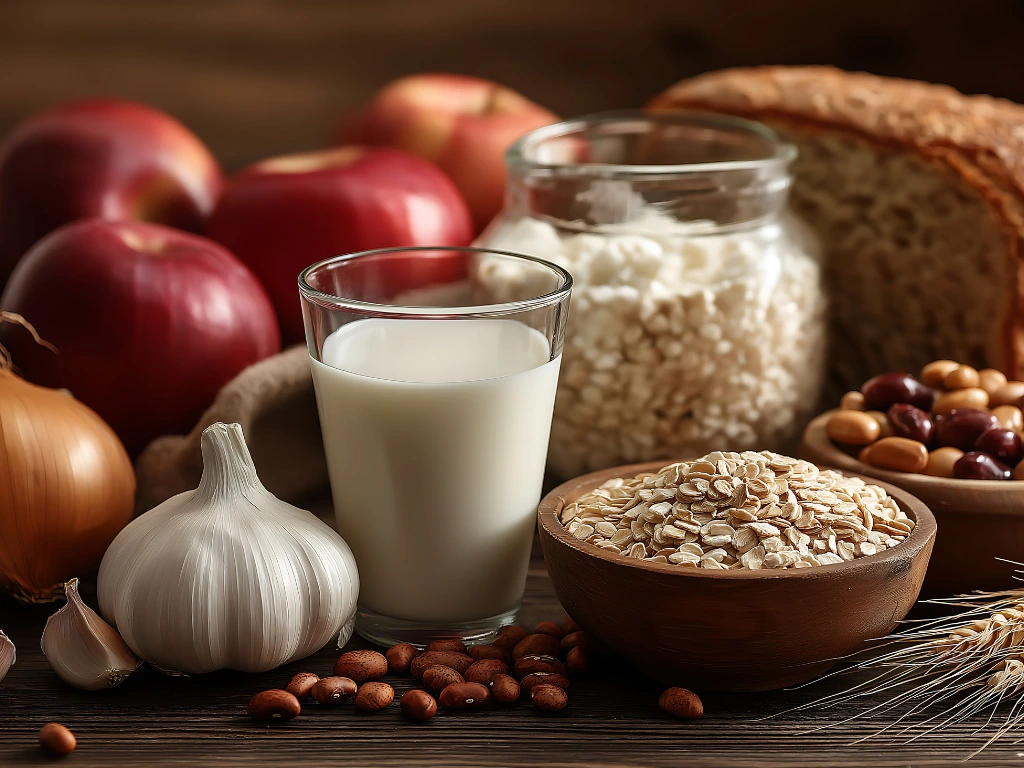
- Lactose intolerance (dairy-related bloating)
- Gluten sensitivity (non-celiac)
- High FODMAP foods such as onions, garlic, and beans
- IBS-related food sensitivity
Food-related bloating often overlaps with functional gut disorders, making it difficult to identify a single trigger without proper evaluation.
When It’s Hormonal Vs When It’s Gut Related
Understanding timing and pattern can provide useful clues.
Hormonal bloating usually:
- Appears before or during menstruation
- Follows a predictable monthly pattern
- Worsens during stress periods
- Occurs even when lifestyle or diet remains unchanged
Gut-related bloating usually:
- Is triggered by meals or specific foods
- Varies depending on diet intake
- Is associated with bowel habit changes
- May improve with dietary adjustments
In many people, both hormonal and gut-related factors exist together, which is why symptoms can feel unpredictable.
When Bloating Is Not Normal
Occasional bloating is common, but persistent symptoms should be assessed further.
Medical evaluation is recommended if there is:
- Bloating lasting more than 2–3 weeks
- Unexplained weight loss
- Blood in stool or black stool
- Severe or persistent abdominal pain
- Early fullness after small meals
- Nausea or vomiting
- New onset of Symptoms in patient ≥45 years
- Gastrointestinal cancer in a first-degree relative
When Bloating Is Your Body’s Way of Speaking
Digestive symptoms like bloating are often easy to dismiss, especially when they come and go or feel tied to food, stress, or hormonal changes.
But when bloating becomes more frequent, it can start to affect more than just your stomach. Many people notice changes in energy levels, focus, comfort after meals, and overall day-to-day wellbeing.
At Nobel Gastroenterology Centre, we help patients understand whether their symptoms are related to gut function, food sensitivity, or hormonal digestive interaction, and guide them with appropriate evaluation and care.
Frequently Asked Questions (FAQ)
What causes bloating in the stomach?
A bloated stomach can be caused by food sensitivity, slow digestion, hormonal changes, stress, or gut conditions such as IBS. In some cases, it is related to overall gut health rather than a single food trigger.
Why do I feel bloated during my period?
Period bloating is usually caused by hormonal changes. Fluctuations in oestrogen and progesterone can lead to water retention and slower digestion, making the abdomen feel tight, swollen, or uncomfortable.
Is it normal to feel bloated before or during your period?
Yes, mild to moderate bloating is very common before or during menstruation. It is part of normal hormonal cycling and usually improves once your period ends.
Why does my stomach look bigger during my period?
This is often due to a combination of water retention, slower digestion, and gas buildup caused by hormonal changes. These effects can make the abdomen appear more distended temporarily.
What does an unhealthy gut feel like?
An unhealthy gut can show up as frequent bloating, gas, constipation, diarrhoea, fatigue, or even brain fog. If these symptoms persist, it may indicate a deeper digestive imbalance.
Where can I get help for gut health in Singapore?
If you are experiencing persistent symptoms such as a bloated stomach, abdominal discomfort, or irregular bowel habits, it is advisable to consult a gastroenterologist for proper evaluation and treatment.
Related Doctor

Dr Eric Wee
Senior Consultant Gastroenterologist MBBS (Singapore), MRCP (U.K.), FAMS (Gastroenterology), M.Med (Internal Medicine)
Dr Wang Yu Tien
Senior Consultant Gastroenterologist FAMS, MBBS (Sydney) (Hons), MRCP (UK), Master of Clinical InvestigationRelated Clinic

Nobel Gastroenterology Centre (Gleneagles)

Nobel Gastroenterology Centre (Mount Elizabeth Novena)