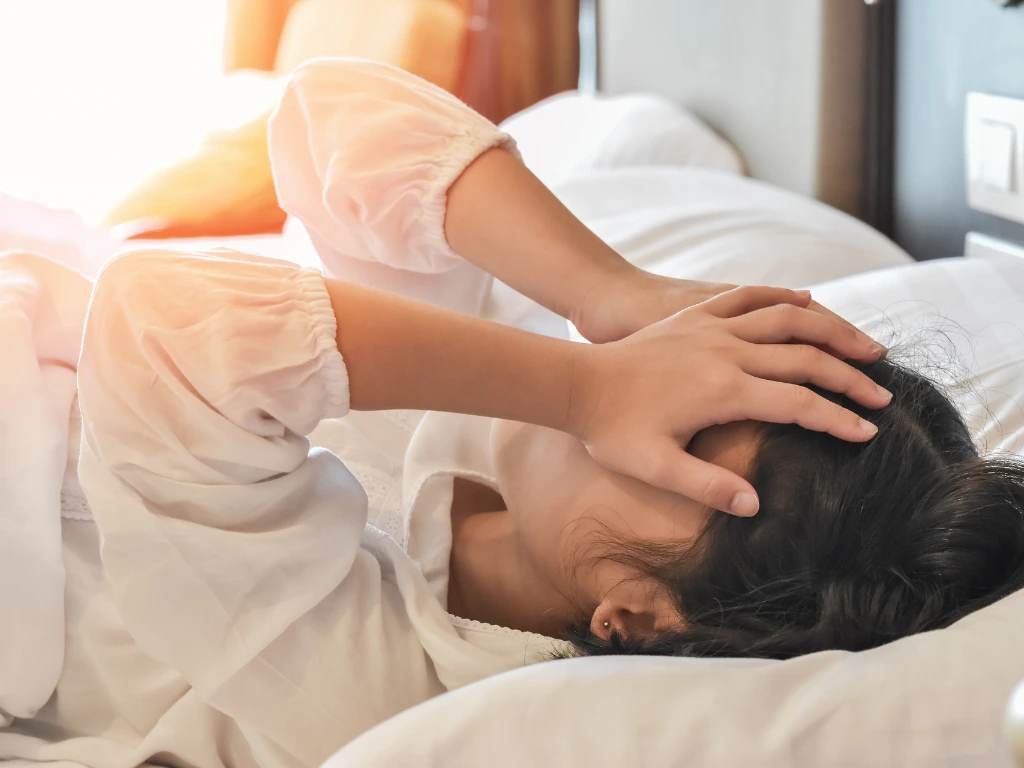
Many parents think snoring is harmless, especially in young children. But when snoring becomes loud, frequent, or is paired with restless sleep, it may point to something more serious.
One condition that often goes unnoticed is paediatric sleep apnoea, a sleep disorder where a child’s breathing is repeatedly interrupted during sleep. Because these pauses happen at night, parents may not realise there is an underlying problem.
Over time, poor-quality sleep can affect a child’s growth, behaviour, learning, and overall well-being.
What is Paediatric Sleep Apnoea
Paediatric sleep apnoea, also known as sleep apnoea syndrome, is a sleep disorder that causes brief pauses in breathing during sleep. The most common type is obstructive sleep apnoea, which happens when the airway becomes narrowed or blocked.
As a result, the child may:
- Struggle to breathe properly during sleep
- Wake up briefly multiple times at night
- Experience poor quality, disrupted rest
Although these pauses may last only a few seconds they can happen many times throughout the night.
Why Paediatric Sleep Apnoea Often Goes Unnoticed
Unlike adults, children with sleep apnoea do not always appear sleepy during the day. In fact, some children may seem overly active, restless, or easily distracted.
Because of this, the condition is often mistaken for:
- Normal snoring
- Poor sleep habits
- Behavioral issues such as attention difficulties
This is why many cases are only picked up later, when symptoms start affecting school performance or behavior.
Signs and Symptoms Parents Should Watch For
Recognising the symptoms early is important. Some of the most common obstructive sleep apnoea symptoms in children include:
Night-time signs:
- Loud or regular snoring
- Pauses in breathing during sleep
- Unusual sleeping positions
- Restless sleep or frequent waking
- Night sweats
- Bedwetting in older children
Day-time signs:
- Wake up tired despite a full night’s sleep
- Struggle with focus or attention
- Become easily irritable or moody
- Show behavioural changes or hyperactivity
- Have difficulty waking up in the morning
If these signs appear regularly, it is worth getting them checked.
How Sleep Apnoea Affects Growth and Behaviour
Sleep is not just rest; it plays an important role in growth and brain development.
When sleep is repeatedly interrupted, it can affect:
1. Growth
Deep sleep is when the body releases growth hormones. Children with untreated sleep apnoea may experience slower growth over time.
2. Behaviour and learning
Poor sleep can affect how a child thinks, behaves, and interacts with other. This may show up as:
- Difficulty focusing in school
- Increased irritability
- Behavioural challenges that resemble ADHD
3. Overall health
Long-term disrupted sleep can also affect energy levels, immunity, and general well-being.
Common Causes of Sleep Apnoea in Children
There are several sleep apnoea causes in children, but the most common is enlarged tonsils and large adenoids.
These are tissues located at the back of the nose and throat. When they become enlarged, they can partially block the airway during sleep.
Other contributing factors include:
- Frequent nasal congestion or allergies
- Structural airway differences
- Being overweight
- Family history of sleep apnoea
In many children, enlarged tonsils and adenoids are the main reason behind breathing obstruction at night.
When Should Parents Be Concerned About Snoring?
Occasional snoring during a cold or flu is usually harmless. However, you should take it more seriously if your child:
- Snores loudly most nights
- Has pauses in breathing during sleep
- Associated with restless sleep or unusual sleeping positions
- Linked to daytime behavioural or learning issues
If these signs are present, it is better not to wait and see. Early assessment can make a big difference.
How Paediatric Sleep Apnoea Is Diagnosed
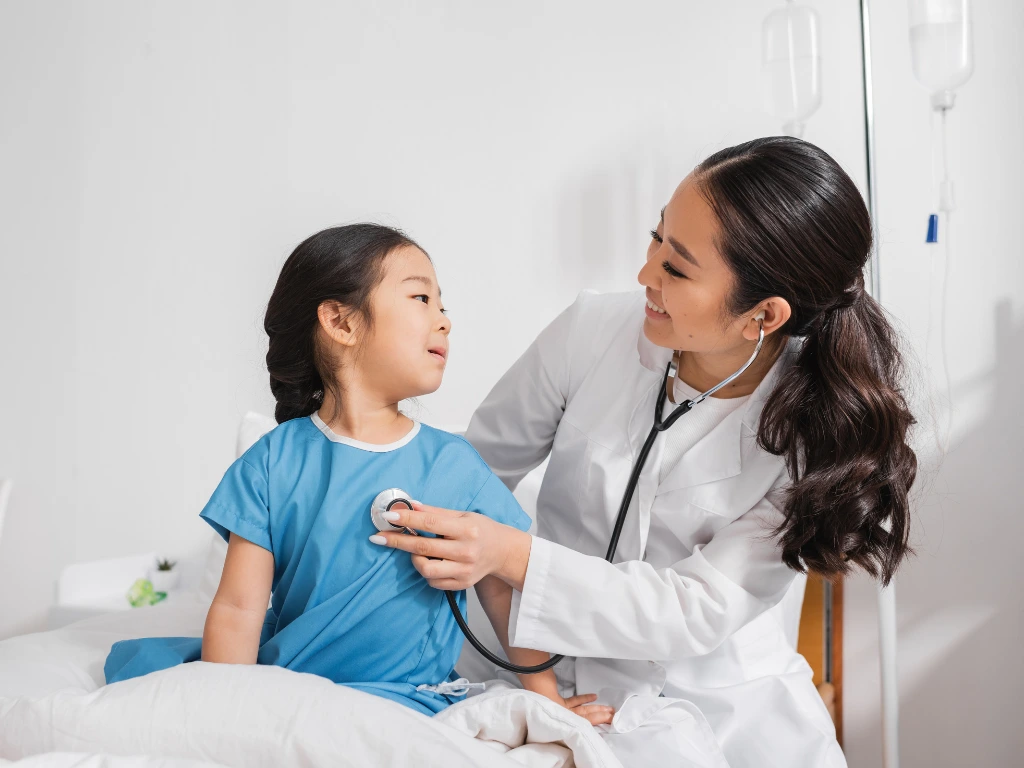
Is sleep apnoea is suspected, a doctor may recommend further evaluation.
This may include:
- A detailed discussion of symptoms and sleep habits
- A physical examination of the nose, throat, and airway
- A sleep study, which monitors breathing patterns overnight
A sleep study is one of the most accurate ways to confirm the condition and assess its severity.
When to Seek Medical Advice
If your child snores regularly or shows signs of poor-quality sleep, it is best to seek medical advice early.
Sleep apnoea does not always resolve on its own. When left untreated, it can affect a child’s growth, learning, behaviour, and overall quality of life.
The reassuring part is that paediatric sleep apnoea is treatable, especially when it is identified early. Many children show significant improvement once the underlying cause is properly managed.
At Nobel ENT Centre, our ENT specialists provide detailed assessment and evidence-based care for children with suspected sleep-related breathing issues. We focus on identifying the underlying cause and guiding parents through the most appropriate treatment options based on each child’s condition.
If you are unsure, it is always better to have your child evaluated early. A simple consultation can provide clarity and peace of mind.
Related Doctor

Dr Annette Ang Hui Chi
Senior Consultant Ear, Nose and Throat MBBS (Singapore), MRCS (Edinburgh), MMed (ORL), FAMS (ENT)
Dr Fung Chak Yuen
Senior Consultant Ear, Nose and Throat MBBS (Singapore), FAMS (Singapore), MRCSI (Ireland), MMed (Otolaryngology, Singapore)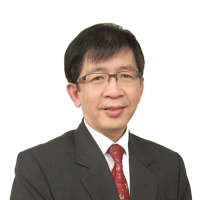
Dr Leong Hoo Kwong
Senior Consultant Ear, Nose and Throat Surgeon FRCS (Glasgow), MBBS (Singapore), FAMS (ORL) (Singapore), FICS (USA), FAAO (USA)Related Clinic

Nobel ENT Centre (Mount Alvernia)

Nobel ENT Centre (Mount Elizabeth Novena)
Nobel ENT Centre (Gleneagles)