
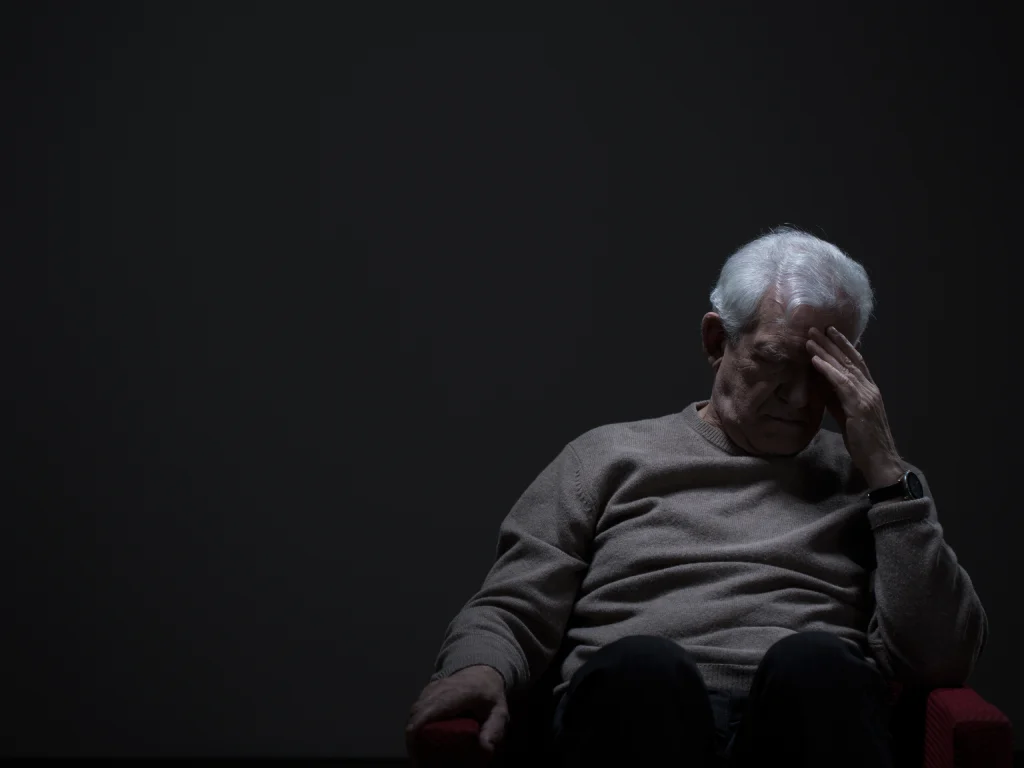
Loneliness in older adults is often treated as something normal, an expected part of aging. But that assumption misses something important. Loneliness is not just about being alone or having fewer social interactions. It can deeply affect emotional wellbeing, mental health, and even physical health. In many cases, prolonged loneliness can even contribute to depression, making it a serious health concern rather than a normal stage of life.
Understanding Loneliness in Older Adults
Loneliness and social isolation are often confused, but they are not the same.
Social isolation refers to having fewer social interactions or living alone. Loneliness, on the other hand, is the emotional experience of disconnection.
An older adult may be surrounded by family yet still feel unheard or emotionally distant. That gap between presence and connection is what defines loneliness.
While living alone does not always mean feeling lonely, studies suggest that seniors who live alone may face a higher risk of emotional distress and depression. This is why loneliness is increasingly recognised as an important risk factor for poor mental and physical health, not just a lifestyle situation.
“Many older adults may appear physically well but still struggle silently with loneliness. Over time, this emotional isolation can contribute to depression and affect how they think, feel, and engage with life.” – Dr. Seng Kok Han, Consultant Psychiatrist at Nobel Psychological Wellness Center.
Why Loneliness Is More Than a Social Issue
Loneliness does not just affect how someone feels, it affects how the body and mind function.
Chronic loneliness has been linked to:
- Increased stress levels
- Poor sleep quality
- Emotional instability
- Higher risk of anxiety and depression
As Dr. Seng Kok Han, Consultant Psychiatrist at Nobel Psychological Wellness Centre, explains:
“In clinical practice, we often see that loneliness in older adults is closely linked with depression, sleep disturbances, and anxiety. It is not a normal part of ageing, but a mental health concern that deserves timely attention and care.”
What may begin as “feeling a bit alone” can gradually evolve into ongoing sadness, withdrawal, and loss of motivation.
The Link Between Loneliness and Mental Health
One of the most concerning aspects of loneliness is its strong connection to mental health conditions.
Older adults experiencing prolonged loneliness are more likely to develop:
- Depressive symptoms
- Anxiety and excessive worry
- Reduced cognitive function
- Low self-esteem and feelings of worthlessness
It can also create a cycle: loneliness leads to depression, and depression leads to further withdrawal from social interaction.
This cycle is often subtle and can go unnoticed until it becomes more severe.
How to Know If You Have Depression
Signs to watch for include:
- Persistent sadness or emptiness
- Loss of interest in daily activities
- Changes in sleep or appetite
- Low energy or fatigue
- Social withdrawal
If these symptoms persist for two weeks or longer and affect daily functioning, it may be time to seek professional support.
Why Older Adults Are Especially Vulnerable
Several life changes make older adults more vulnerable to loneliness:
1. Retirement
Work is often a major source of identity and daily interaction. Retirement can suddenly reduce social contact.
2. Loss of loved ones
The passing of friends or a spouse can create deep emotional gaps.
3. Reduced mobility
Health conditions may limit independence and ability to engage socially.
4. Living Alone
Living alone, particularly when children live far away because of work or migration.
5. Difficulty adapting to digital communication
Some older adults may not be comfortable using digital tools to stay connected.
These factors often overlap, making loneliness more complex than it appears on the surface.
The Subtle Signs of Loneliness
Loneliness does not always look obvious. Some signs include:
- Losing interest in hobbies or daily routines
- Spending more time alone by choice
- Changes in sleep patterns
- Irritability or emotional sensitivity
- Reduced conversation or engagement
- Increased reliance on television or passive activities
Sometimes, these signs are mistaken for “normal ageing,” which delays support.
How to Manage Loneliness

Loneliness is not about the quantity of people around someone; it is about the quality of connection you bring.
Older adults often value meaningful conversation, feeling listened to, and being emotionally acknowledged more than frequent social activity.
Some meaningful ways to help include:
- Having regular, unhurried conversations
- Asking open-ended questions instead of routine check-ins
- Encouraging participation in community or hobby groups
- Including them in small decisions or family discussions
- Being present without distractions like phones
Most importantly, acknowledging feelings without dismissing them can make a significant difference.
When Professional Support Is Needed
If loneliness begins to affect daily functioning, sleep, appetite, or mood consistently, it may be time to seek professional help.
Mental health support can include:
- Counselling or talk therapy
- Geriatric mental health services
- Community mental health programs
- Support groups for seniors
Early support can prevent emotional decline and improve quality of life significantly.
A Lifestyle Perspective on Ageing and Connection
Ageing should not be defined by withdrawal or silence. Many older adults continue to thrive emotionally when they maintain purpose, connection, and routine.
Loneliness is not an unavoidable part of ageing; it often signals that a person's emotional or social needs are not being adequately met.
Recognising this early allows families, communities, and individuals to respond with care instead of assumption.
At Nobel Psychological Wellness Centre, Dr. Seng Kok Han supports older adults dealing with elderly loneliness and its impact on overall wellbeing.
He can help treat patients experiencing a range of mental health conditions as well, including depression, anxiety, insomnia, stress-related disorders, and age-related emotional challenges at Novena Medical Centre and Ang Mo Kio.
Frequently Asked Questions
Is loneliness common in older adults?
Yes, loneliness is relatively common among older adults, especially after major life changes such as retirement, loss of a spouse, or reduced social interaction. In Singapore, the rise in the number of older adults living alone has also contributed to greater awareness of loneliness among older adults as a growing concern.
Can loneliness increase the risk of depression?
Yes, prolonged loneliness can increase the risk of depression. When someone feels emotionally disconnected for a long time, it can affect mood, motivation, and overall mental wellbeing. Over time, loneliness and depression can reinforce each other, creating a cycle that is difficult to break without support.
What are the signs of loneliness in elderly people?
Common signs of elderly loneliness include social withdrawal, loss of interest in activities, changes in sleep patterns, low mood, and reduced communication. These signs can sometimes be mistaken for normal ageing, which is why early recognition is important.
How do you help a lonely elderly person?
Helping a lonely elderly person starts with meaningful connection. Regular conversations, involving them in family activities, encouraging hobbies, and supporting participation in community groups can make a big difference.
What happens if loneliness is not treated?
If left unaddressed, loneliness can affect both mental and physical health. It has been linked to depression, anxiety, poor sleep, and even increased risk of chronic conditions such as heart disease. This is why loneliness is increasingly recognised as part of senior mental health, not just a social issue.
When should someone seek help for loneliness?
Professional help should be considered if loneliness begins to affect daily life, sleep, appetite, or mood. Persistent sadness, withdrawal, or loss of motivation may be signs of underlying conditions like depression, and consulting a psychiatrist can help provide a proper assessment and support.
Can loneliness affect physical health?
Yes, loneliness can impact physical health over time. Chronic loneliness has been associated with increased stress levels, weakened immune function, and higher risk of cardiovascular disease. Addressing loneliness early can help improve both mental and physical wellbeing.
How to improve mental health for adults experiencing loneliness?
Improving wellbeing starts with connection. For those exploring how to improve mental health for adults, key steps include staying socially active, maintaining routines, engaging in meaningful activities, and seeking support when needed. Even small, consistent interactions can make a significant difference.
Where can I see a psychiatrist in Singapore?
You can see a psychiatrist in Singapore at Nobel Medical Group. Patients can consult experienced psychiatrists such as Dr Seng Kok Han, who provides care for conditions including depression, anxiety, insomnia, and stress-related disorders, with a focus on senior mental health and geriatric psychiatry.
If you are experiencing persistent loneliness, low mood, or emotional distress, seeking professional support early can make a meaningful difference.
Related Doctor

Dr Seng Kok Han
Consultant Psychiatrist MBBS (Singapore), MMED (Psychiatry)Related Clinic

Nobel Psychological Wellness Centre (Novena Medical Centre)


Nobel Psychological Wellness Centre (Ang Mo Kio)