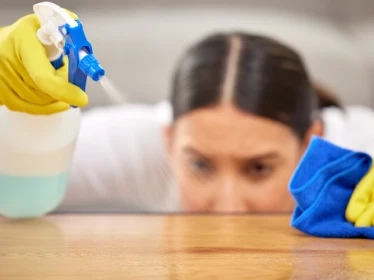

Have you ever replayed something you said in a conversation and wondered, “Did I sound stupid?”
Maybe you avoided speaking up in a meeting because you were worried about getting the answer wrong. Or you declined an invitation because the thought of making small talk with strangers felt intimidating. Perhaps you spent hours worrying about how you looked, sounded or came across to other people.
Everyone feels self-conscious from time to time. But when the fear of being judged, embarrassed or rejected starts influencing what you do, or what you avoid doing, it may be more than ordinary shyness. It could be a sign of social anxiety.
What Exactly Is Social Anxiety?
Social anxiety or social phobia is an intense fear or discomfort in social situations where you feel you may be watched, judged or negatively evaluated by others.
It can happen in situations that seem completely ordinary, such as:
- Meeting someone new
- Speaking in front of a group
- Attending a social gathering
- Eating or drinking around other people
- Making a phone call
- Speaking to someone in authority
- Asking a question in class or at work
- Going on a date
- Using public facilities
For someone experiencing social anxiety, these situations may feel much more threatening than they appear to others.
The concern is often not simply “I don't know what to say.” It can be more like:
“What if I say something embarrassing?”
“What if everyone notices I'm nervous?”
“What if they think I'm awkward?”
“What if I make a mistake and everyone remembers it?”
Is It Normal to Feel Nervous Around People?
Feeling nervous before a presentation, meeting new people or attending an unfamiliar event is a normal part of life. Most people experience some degree of self-consciousness.
The difference is often how intense the fear is, and how much it affects your everyday life.
Someone who feels nervous before a presentation may still go ahead and deliver it.
Someone experiencing significant social anxiety may avoid presenting altogether, decline opportunities at work or spend days worrying about situations beforehand.
Over time, avoiding uncomfortable situations can make them feel even more frightening.
What Are the Symptoms of Social Anxiety?
Social anxiety can affect your thoughts, emotions, behaviour and even your body.
You may:
- Constantly worry about being judged or embarrassed
- Feel extremely self-conscious around others
- Expect the worst to happen in social situations
- Over-analyse conversations afterwards
- Worry about making mistakes
- Feel uncomfortable being the centre of attention
- Avoid situations where you may have to interact with others
- Feel that other people are noticing your nervousness
Anxiety can also trigger physical reactions, including:
- Blushing
- Sweating
- Shaking
- A racing heartbeat
- Nausea or an upset stomach
- Muscle tension
- Difficulty speaking
- Feeling light-headed or breathless
These symptoms can create a frustrating cycle.
You might notice your hands shaking and think, “Everyone can see that I'm nervous.” That thought can make you even more anxious, which can make the physical symptoms stronger.
Why Am I So Afraid of Being Judged?
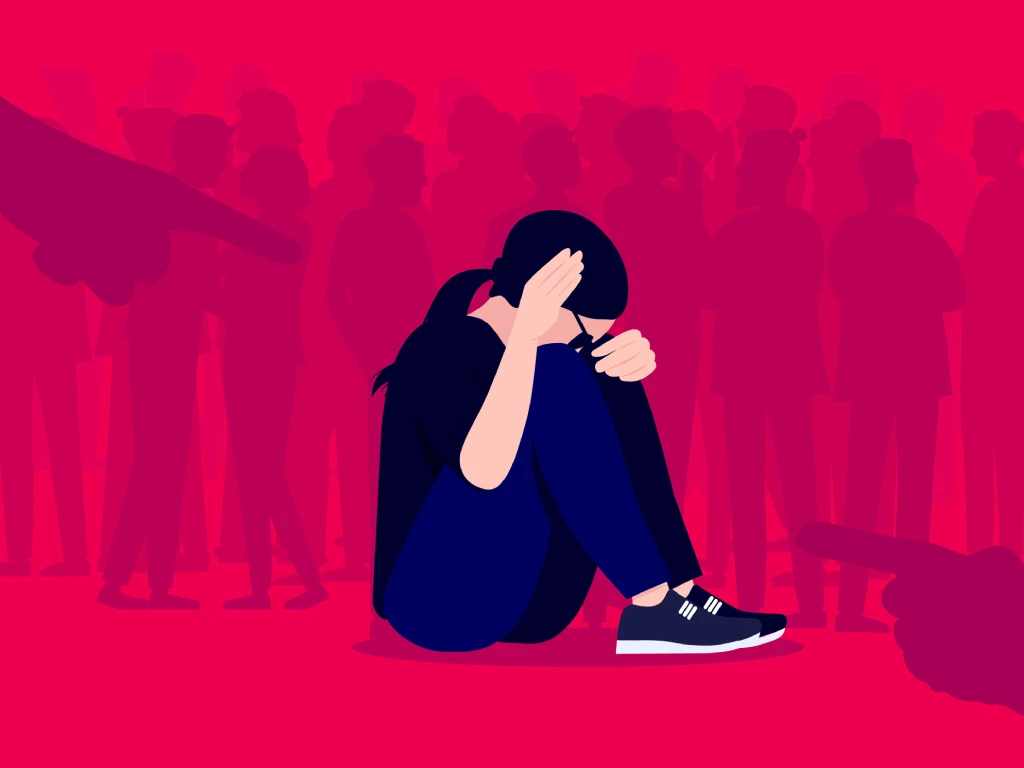
Social anxiety can develop for different reasons, and there isn't always one clear cause.
Some people may be naturally sensitive to criticism or rejection. Others may have experienced bullying, embarrassment or difficult past social experiences.
Family history, personality, stressful life experiences and other mental health conditions may also play a role.
Importantly, social anxiety is not a sign that you are weak, unfriendly or simply “bad with people”.
For some people, the fear can become strong enough to interfere with relationships, education, work and everyday activities.
Social Anxiety vs Being Shy: What’s the Difference?
Shyness and social anxiety can look similar, but they are not necessarily the same. You can be shy and still enjoy spending time with people once you feel comfortable.
Social anxiety tends to involve a stronger and more persistent fear of social or performance situations, particularly because of concerns about embarrassment, rejection or negative judgement.
The key question is your fear stopping you from living the life you want?
If you regularly avoid social situations, turn down opportunities or experience significant distress because of them, it may be worth speaking to a healthcare professional.
How Can You Manage Social Anxiety?
You don't necessarily have to become the most outgoing person in the room.
The goal is not to eliminate every uncomfortable feeling. Instead, treatment and healthy coping strategies can help you feel more comfortable managing anxiety without allowing it to control your choices.
1. Notice Your Thought Patterns
Pay attention to the thoughts that appear when you feel anxious.
For example: “Everyone will think I'm awkward.”
Ask yourself: Do I know this for certain, or am I predicting what other people might think?
Learning to recognise anxious thought patterns can help you respond to them more realistically.
2. Take Small Steps
Avoiding every situation that makes you anxious can provide temporary relief, but it may reinforce the fear over time.
Instead, consider gradually facing situations that make you uncomfortable, starting with manageable steps and talking to smaller groups or one on one conversation. Saying hello to a colleague may feel easier than immediately speaking to a large group.
3. You Don’t Have to Stop Caring What People Think
Being aware of how others see us isn't necessarily a bad thing. We are social beings. We naturally want to connect, belong and be accepted. The problem begins when the fear of judgement becomes so powerful that it starts making decisions for us.
Sometimes, confidence doesn't come from knowing that nothing will go wrong. It comes from knowing that you can handle it if something does.
Try shifting your attention towards the other person and the conversation instead. You may find that people are often much less focused on you than you imagine.
4. Build a Supportive Social Circle

You don't have to navigate social anxiety alone. Spending time with supportive friends, family members, or people you trust can provide a sense of comfort and encouragement.
Consider opening up to someone you feel comfortable with about what you're experiencing. Having people who listen without judgement can make social situations feel less overwhelming and may give you the confidence to take small steps outside your comfort zone.
Can Social Anxiety Be Treated?
Social anxiety can be managed, and professional support can make a meaningful difference. Treatment depends on the individual and how significantly anxiety is affecting their life.
Psychological approaches such as cognitive behavioural therapy (CBT) may help people recognise unhelpful thought patterns and gradually approach situations they have been avoiding.
In some cases, medication may also be considered by a qualified healthcare professional. The important thing is that there is no need to navigate persistent anxiety alone.
When Should You Seek Help with Social Anxiety?
Consider speaking to a healthcare professional if you:
- Frequently avoid social or work situations because of fear
- Feel anxious about social interactions most days
- Spend a lot of time worrying about being judged
- Experience significant physical symptoms of anxiety
- Find that anxiety is affecting your relationships or career
- Have stopped doing activities you previously enjoyed
- Feel that anxiety is becoming increasingly difficult to manage
You don't have to wait until anxiety completely takes over your life before asking for help.
Looking for Support?
If worries about embarrassment, judgement or social situations are affecting your everyday life, speaking with a mental health professional can be a helpful first step.
At Nobel Psychology Wellness Centre, our Psychiatrists, Dr Zheng Zhimin, Dr Seng Kok Han, and Dr Thong Jiunn Yew provide professional support for a range of emotional and psychological concerns.
Whether you're struggling with persistent worry, avoiding situations you once enjoyed or simply feel that your anxiety is becoming difficult to manage, reaching out for support can help you better understand what you're experiencing and explore appropriate ways forward.
Frequently Asked Questions
Can Social Anxiety Go Away on Its Own?
Social anxiety can improve over time, particularly when you develop healthy coping strategies and gradually become more comfortable with situations that make you anxious. However, persistent or severe social anxiety may benefit from professional support. A healthcare professional can help you understand your symptoms and explore appropriate treatment options.
What If I Embarrass Myself in Front of Other People?
Making a mistake or having an awkward moment does not necessarily mean others will judge you negatively or remember it. When you're experiencing social anxiety, it can be easy to overestimate how much attention other people are paying to you.
Try reminding yourself that everyone says the wrong thing or feels awkward sometimes. Instead of aiming to avoid embarrassment completely, focus on accepting that uncomfortable moments can happen and knowing that you can handle them when they do.
How Can I Stop Overthinking After Social Situations?
It can be helpful to notice when you're replaying a conversation and assuming the worst. Ask yourself whether there is evidence that the interaction went as badly as you think, or whether anxiety may be influencing how you remember it.
Can You Have Social Anxiety and Still Enjoy Being Around People?
Yes. Social anxiety does not necessarily mean that you dislike people or prefer to be alone. You may genuinely want to connect with others while also feeling intense fear about being judged, embarrassed or rejected.
Is Social Anxiety the Same as Being Introverted?
No. Introversion generally refers to a preference for quieter environments or spending time alone, while social anxiety involves fear or distress related to social or performance situations.
An introverted person may feel perfectly comfortable meeting others, while someone with social anxiety may want to socialise but avoid it because of fear of judgement or embarrassment.
Related Doctor

Dr Zheng Zhimin
Consultant Psychiatrist MRCPsych, MBBSRelated Clinic

Nobel Psychological Wellness Centre (Novena Medical Centre)


Nobel Psychological Wellness Centre (Ang Mo Kio)