

When you live with diabetes, you may already be used to checking your blood sugar, watching what you eat, and taking your medication. But when was the last time you had your eyes checked?
Diabetes can affect more than your blood sugar. Over time, high blood sugar levels can damage the tiny blood vessels in your eyes, leading to a condition called diabetic retinopathy, which can affect your vision.
How Can Diabetes Affect Your Eyes?
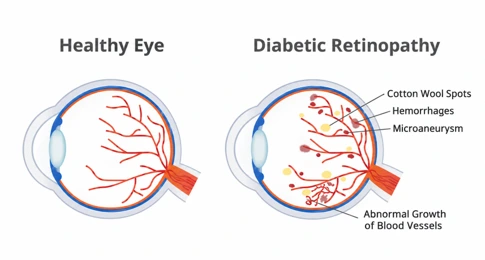
Over time, high blood sugar levels can damage the tiny blood vessels in the retina, the light sensitive layer at the back of your eye that detects light and sends visual information to your brain.
When these blood vessels become damaged, they may leak fluid or bleed, affecting how well the retina works. As the condition worsens, new abnormal fragile retinal blood vessels may develop, which means they could easily bleed into the eye and lead to further vision problems.
Diabetes can also increase the risk of other eye conditions such as cataract and glaucoma. While not everyone with diabetes will develop eye problems, the risk of diabetic retinopathy generally increases the longer a person has diabetes, particularly when blood sugar levels are not well controlled.
Can Your Eyes Be Affected Even If Your Vision Is Clear?
Yes. In its early stages, diabetic retinopathy can develop without affecting your vision.
You may still be able to read, drive, and carry out your daily activities without noticing anything unusual. However, changes to the blood vessels in your retina may already be taking place.
This is why waiting until your vision becomes blurry may mean missing an opportunity to detect the condition earlier. Regular diabetic eye screening can detect early signs of damage to the retina, even when your vision seems normal.
What Eye Changes Should You Look Out For?
As diabetic retinopathy progresses, some people may begin to notice changes in their vision.
Common signs of diabetic eye problems include:
- Blurred or fluctuating vision: Your eyesight may become blurry or change from time to time.
- Floaters: Small dark spots, dots or thread-like shapes that seem to float across your vision, especially when looking at a bright background.
- Dark spots or missing areas of vision: You may notice dark patches or areas where you cannot see clearly, even when looking directly at something.
- Difficulty seeing at night: You may find it harder to see clearly in low-light conditions.
- Distorted vision: Straight lines may appear bent or wavy.
- Sudden vision loss: In more advanced cases, bleeding or other complications may cause a sudden loss of vision.
Not everyone with diabetic retinopathy will experience these symptoms. Some people may have no noticeable vision changes until the condition has progressed.
If you notice new or worsening vision problems, arrange an eye assessment with an eye specialist. Seek urgent medical attention at Nobel Medical Eye & Vision Centre in Singapore if you experience sudden vision loss, a sudden increase in floaters or a dark shadow across your vision.
Can Diabetic Retinopathy Be Treated?
Yes. Diabetic retinopathy can be managed, and treatment may help slow its progression and reduce the risk of further vision loss.
The treatment depends on how much the retina has been affected and whether problems such as swelling or bleeding have developed. In the early stages, treatment may not be needed immediately. Your eye specialist may recommend regular monitoring alongside good control of blood sugar, blood pressure, and cholesterol levels.
For more advanced cases, treatment options may include:
- Injections: Medication injected into the eye may help reduce swelling in the retina or control the growth of abnormal blood vessels.
- Laser treatment: A special laser may be used to treat leaking blood vessels or reduce abnormal blood vessel growth.
- Surgery: In severe cases, surgery may be needed to remove blood that has collected inside the eye or repair complications affecting the retina, such as diabetic retinal detachments.
Although treatment may help prevent further vision loss, it may not fully restore vision that has already been affected. Early detection gives your eye specialist a better opportunity to diagnose and manage the condition before it causes serious irreversible damage.
How Can You Look After Your Eye Health?
Looking after your eyes starts with managing your diabetes.
Practical steps you can take include:
1. Keeping your blood sugar levels under control
Follow your diabetes care plan, take the prescribed medication, and attend your regular medical appointments. Keeping your blood sugar within your recommended target range can help reduce the risk of complications affecting the eyes.
2. Managing your blood pressure and cholesterol levels
High blood pressure and unhealthy cholesterol levels can increase the risk of complications affecting the eyes. Regularly monitoring these levels and following your doctor’s advice can help protect your eye health.
3. Going for regular eye screening
Diabetic retinopathy often develops without early symptoms, making routine eye screening especially important.
People with diabetes are generally advised to undergo diabetic retinal screening at least once a year. Based on your condition and screening results, your doctor may recommend screening at more frequent intervals if there is significant diabetic retinopathy.
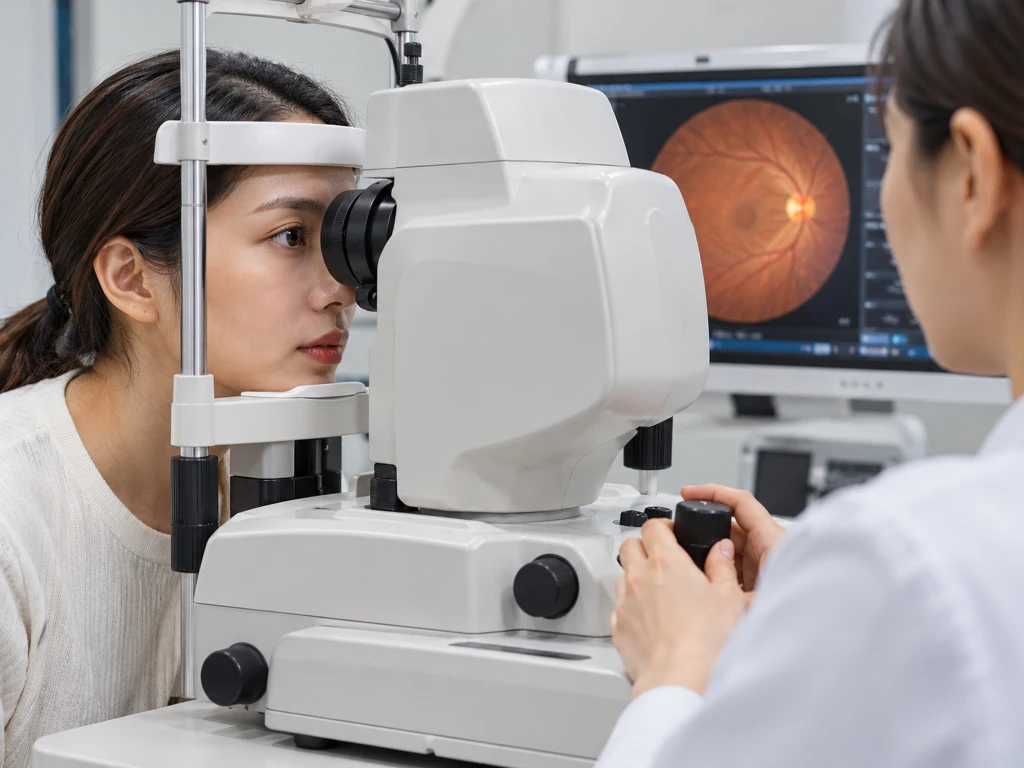
During diabetic retinal screening, photographs may be taken of the back of your eyes to check for signs of damaged blood vessels. As symptoms may not affect your vision in the early stages, diabetic retinopathy cannot be detected through a standard eyesight test alone.
4. Maintaining healthy lifestyle habits
Eating a balanced diet, staying physically active, and avoiding smoking can support your overall health and diabetes management.
5. Following up on any abnormal eye screening results
If your eye screening detects signs of diabetic retinopathy or other abnormalities, your doctor may refer you to an ophthalmologist (eye specialist) for a more detailed eye examination.
Even when your vision seems normal, attending these follow-up appointments is important.
When Should You See an Eye Specialist?
If you have diabetes, regular eye screening is important even when your vision seems normal. However, certain eye changes or screening results may require further assessment by an eye specialist.
You should consider seeing an eye specialist if:
- Your diabetic eye screening identifies abnormalities.
- You experience persistent or worsening blurred vision.
- You notice new floaters, dark spots or distorted vision.
- You have previously been diagnosed with diabetic retinopathy and require monitoring.
- Your doctor recommends further evaluation of your eye health.
Seek urgent medical attention if you experience sudden vision loss, a sudden increase in floaters or a dark curtain or shadow across your vision.
An ophthalmologist can examine your eyes, assess any signs of diabetic eye disease, and recommend suitable monitoring or treatment.

Make Eye Health Part of Your Diabetes Care
Living with diabetes means looking after more than just your blood sugar. Your eyes need attention too, even when your vision seems normal.
Regular diabetic eye screening can help detect changes early. If eye problems are identified, our ophthalmologists at Nobel Medical Eye & Vision in Singapore can assess your condition and recommend suitable management and/or treatment options.
Related Doctor

Dr Elton Tay Lik Tong
Senior Consultant Ophthalmologist MBBS (Singapore), FAMS (Singapore), DAvMed (UK), MMed (Singapore)
Dr Livia Teo
Senior Consultant Ophthalmologist MBBS, MMED (Ophthalmology) MRCSEd (Ophthalmology), FRCSEd (Ophthalmology), FAMS (Ophthalmology)etrereetRelated Clinic

Nobel Eye & Vision Centre (Gleneagles Hospital)

Nobel Eye & Vision Centre (Mount Elizabeth Novena)