
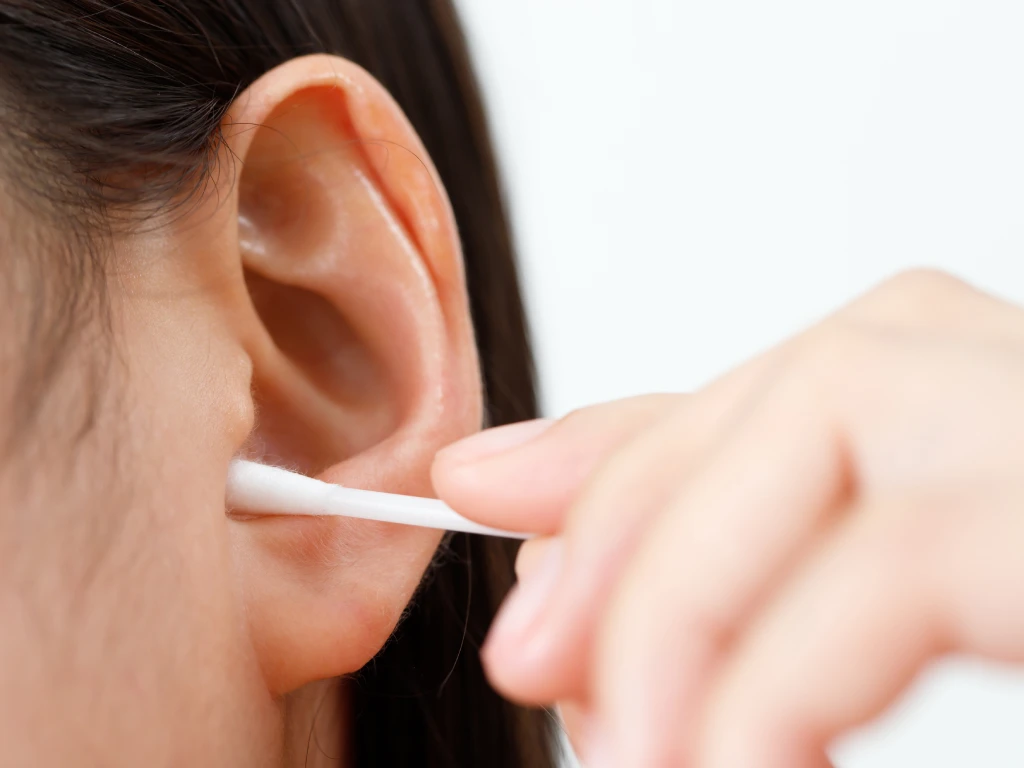
Cleaning your ears with cotton buds may seem like a harmless habit, especially after a shower. However, inserting them into your ears can push earwax deeper inside, causing blockages or even injury.
Since our ears are designed to clean themselves, do we really need to clean them, and what is the safest way to do so?
Do Your Ears Really Need Cleaning?
For most people, the answer is no. Your ears have a natural way of cleaning themselves, so there is usually no need to remove earwax regularly.
Earwax is naturally produced inside the ear canal, the small passage leading from the ear opening to the eardrum.
Although it may look unpleasant, earwax plays an important role in keeping your ears healthy.
It helps to:
- Trap dust and dirt: Stop small particles from travelling deeper into the ear.
- Protect against infection: Help prevent germs from growing inside the ear canal.
- Keep the ear canal moisturised: Prevent the skin inside your ears from becoming too dry.
How Do Your Ears Clean Themselves?
Your ears have a natural self-cleaning process.
As the skin grows inside your ear canal, the older skin slowly moves towards the ear opening, carrying earwax and trapped dirt along with it. Everyday jaw movements, such as chewing and talking, also help this process.
Once the earwax reaches the opening, it may dry up and fall out naturally. This means that having some earwax is completely normal and does not mean your ears are dirty.
"For most of us, the ear has a natural self-cleaning mechanism. When the skin inside the ear canal dies or gets replaced, it slowly migrates outwards together with the earwax. So, in a normal person, you don't really need to clean your earwax at all."
— Dr Fung Chak Yuen, Senior Consultant Ear, Nose and Throat, Nobel ENT Centre.
What Happens When You Use Cotton Buds to Clean Your Ears?
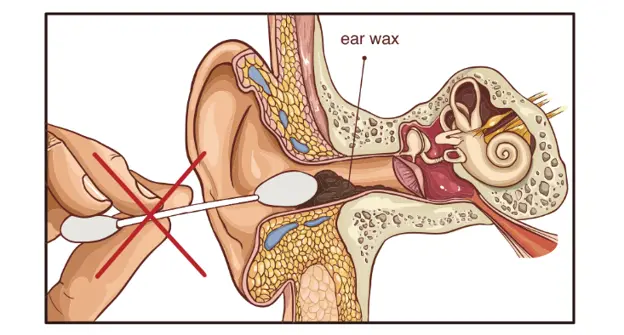
Although cotton buds may remove some visible earwax, inserting them into the ear canal can sometimes do more harm than good.
The ear canal is a very small passageway, so using cotton buds inside it may lead to several problems:
- Earwax blockage: Instead of removing earwax, cotton buds may end up pushing it deeper into the ear canal, causing it to build up and block the ear.
- Skin irritation or injury: The skin inside the ear canal is delicate. Rubbing or scratching may cause irritation, small cuts or bleeding.
- Ear infections: Small cuts or scratches inside the ear may lead to an infection.
- Eardrum damage: Pushing a cotton bud too far can injure or tear the eardrum, which can affect your hearing.
Although this may not happen every time, putting cotton buds inside your ears increases the risk of injury.
"If you use a cotton bud, you may end up pushing the earwax deeper and deeper into the ear. You can also injure the ear canal and even cause an infection, especially if the cotton bud is not clean. So, my advice is not to use cotton buds deep inside the ear, as they can cause many different problems."
— Dr Fung Chak Yuen, Senior Consultant Ear, Nose and Throat, Nobel ENT Centre.
So, How Should You Clean Your Ears Safely?
You do not need special tools to keep your ears clean. Here are a few simple ways to care for them safely.
1. Clean Only the Outer Ear
Use a soft, damp cloth to gently wipe the visible parts of your ear. Avoid inserting the cloth, cotton buds or other objects into the ear canal.
2. Dry Your Ears Gently After Showering
Use a clean towel to pat the outside of your ears dry after bathing. There is no need to reach inside your ears to remove water or earwax.
3. Use Earwax-Softening Drops When Appropriate
If earwax has built up and is causing discomfort, a pharmacist or doctor may recommend earwax-softening drops. These drops help soften the wax so that it can move out of the ear more easily.
However, ear drops are not suitable for everyone, especially if you have a damaged eardrum, a suspected ear infection or a history of ear surgery. Seek medical advice before using them.
For most people, the best way to care for their ears is to leave the earwax alone and allow the ears to clean themselves naturally.
What If Your Ears Feel Blocked or Itchy?
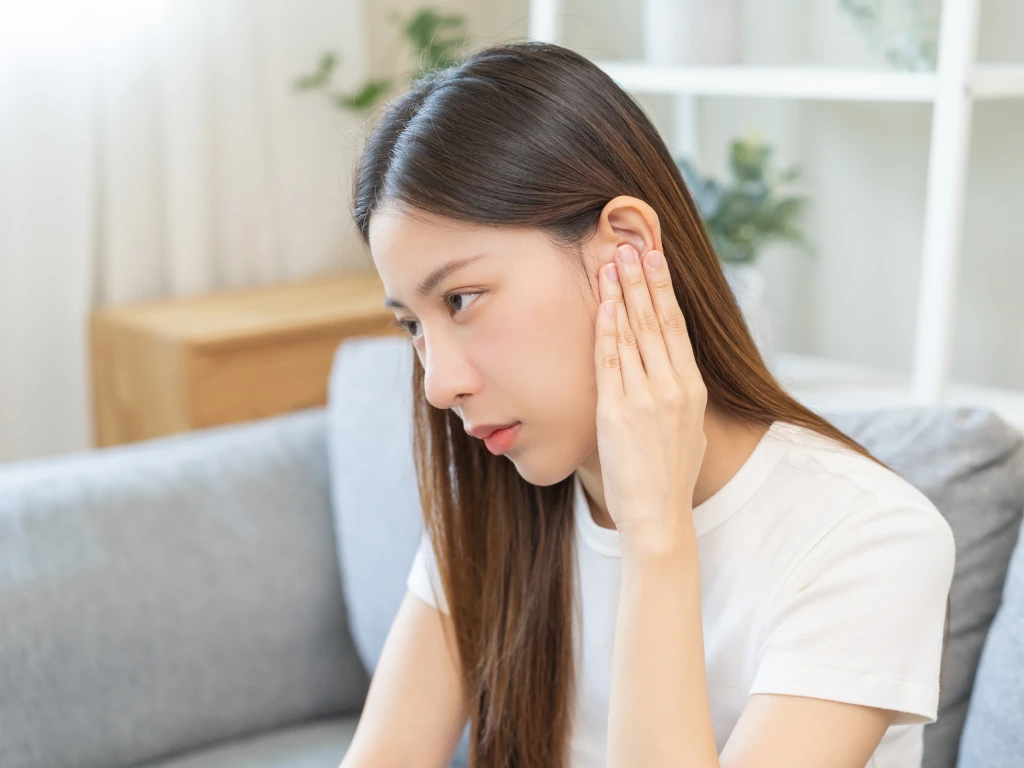
A blocked or itchy ear may be caused by earwax buildup, but it can also be a sign of irritation or infection.
Common symptoms include:
- A feeling of fullness or blockage in the ear
- Muffled hearing
- Itching or discomfort
- Ringing or buzzing sounds
If you experience ear pain or discharge, it could indicate an ear infection or infected earwax.
Avoid using cotton buds to remove the wax, as this may make the problem worse. Our ENT specialists at Nobel Medical Group can examine your ear, identify the cause and recommend suitable treatment.
When Should You See an ENT Specialist?
Although earwax usually clears naturally, some people may experience a build-up that does not resolve on its own.
Consider seeing a doctor or an ear, nose and throat (ENT) specialist if you experience:
- Persistent ear blockage: Your ear continues to feel blocked or full.
- Ear pain: You experience ongoing discomfort or pain inside the ear.
- Changes in hearing: Sounds become muffled or you notice difficulty hearing clearly.
- Persistent itching: Your ear continues to itch or feels irritated.
- Ear discharge or bleeding: Fluid, pus or blood comes out of your ear.
- Dizziness: You experience spinning sensations or problems with your balance.
If you experience sudden hearing loss, seek urgent medical attention rather than assuming it is caused by the earwax.
Healthy Ears Do Not Need Constant Cleaning
Earwax is a natural part of keeping your ears healthy, and for most people, there is no need to remove it regularly.
Although cleaning your ears with cotton buds may feel satisfying, inserting them into the ear canal can push wax deeper and increase the risk of irritation or injury. Instead, gently cleaning and drying the outside of your ears is usually enough.
If you experience persistent ear blockage, discomfort or changes in hearing, our ENT specialists at Nobel Medical Group can assess your condition and advise on suitable treatment options.
Frequently Asked Questions (FAQ)
Is it normal for earwax to be yellow, brown, or dark?
Yes. Earwax can range from light yellow to dark brown, depending on its age and consistency. Older earwax tends to become darker and drier over time. Changes in colour alone do not usually indicate a problem.
Can wearing earphones cause earwax buildup?
Frequently wearing in-ear earphones may interfere with the natural movement of earwax out of the ear canal. They can also trap moisture and cause irritation, particularly when worn for long periods. Taking regular breaks and keeping your earphones clean may help reduce these problems.
Should I clean my ears after showering?
For most people, there is no need to clean inside the ears after showering. Simply use a clean towel to gently dry the outside of your ears. Avoid inserting cotton buds into the ear canal, as they may push earwax deeper or cause injury.
Can earwax affect your hearing?
Yes. When too much earwax builds up and blocks the ear canal, sounds may become muffled or harder to hear. Hearing usually improves once the blockage is safely removed. However, hearing changes can have other causes, so it is important to have your ears checked rather than assuming earwax is responsible.
Why do some people have more earwax than others?
The amount of earwax produced varies from person to person. Some people naturally produce more earwax, while others have narrower ear canals that make it harder for wax to come out naturally. Using hearing aids or earplugs may also contribute to earwax buildup.
Do I need to clean my ears every day?
No. Your ears naturally clean themselves, so daily ear cleaning is usually unnecessary. After showering, simply use a clean towel to gently dry the outside of your ears. Avoid inserting cotton buds into the ear canal, as they may push earwax deeper or cause injury.
Related Doctor

Dr Annette Ang Hui Chi
Senior Consultant Ear, Nose and Throat MBBS (Singapore), MRCS (Edinburgh), MMed (ORL), FAMS (ENT)
Dr Fung Chak Yuen
Senior Consultant Ear, Nose and Throat MBBS (Singapore), FAMS (Singapore), MRCSI (Ireland), MMed (Otolaryngology, Singapore)
Dr Leong Hoo Kwong
Senior Consultant Ear, Nose and Throat FRCS (Glasgow), MBBS (Singapore), FAMS (ORL) (Singapore), FICS (USA), FAAO (USA)Related Clinic

Nobel ENT Centre (Gleneagles)


Nobel ENT Centre (Mount Elizabeth Novena)

Nobel ENT Centre (Mount Alvernia)

Related Articles

Don’t Wait Until Your Vision Changes: What People with Diabetes Should Know About Their Eyes
November 13, 2026
Will I Embarrass Myself? Understanding Social Anxiety
October 09, 2026