
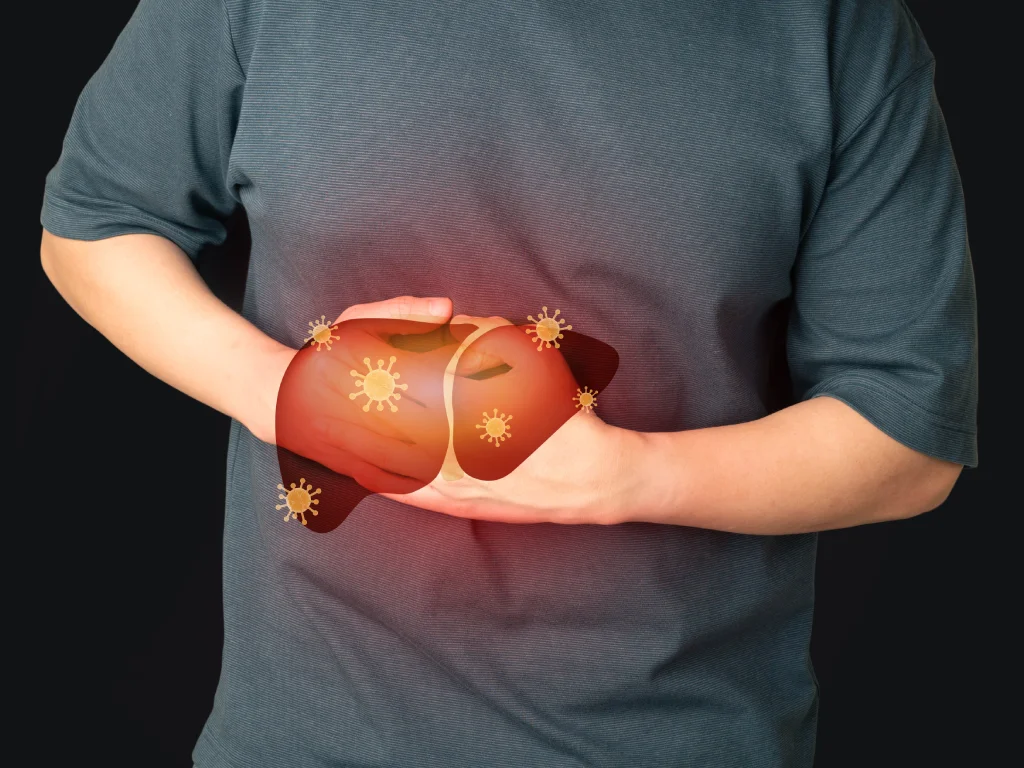
Most people expect serious illnesses to make them feel unwell. But if your liver is inflamed (Hepatitis), that is not always the case.
Certain types of hepatitis can quietly damage the liver for years without causing noticeable symptoms. Many people only discover they have hepatitis during a routine health screening, blood donation, or medical check-up.
By then, liver inflammation may already have progressed.
The good news is that hepatitis can often be detected with a simple blood test, and in many cases, early diagnosis allows doctors to monitor or treat the condition before serious complications develop.
Here's what you should know about hepatitis, how it spreads, and when screening may be recommended.
Why Can Hepatitis Go Undetected
Hepatitis refers to inflammation of the liver. The liver plays an important role in filtering toxins, processing nutrients, producing proteins, and supporting many essential functions in the body.
Unlike any other organs, the liver can continue performing its functions even when it is inflamed or partially damaged. As a result, hepatitis often causes few or no symptoms during its early stages.
Many people continue to feel completely healthy while the virus quietly affects their liver. In some cases, symptoms only appear years later when liver damage has become more advanced.
This is why hepatitis is often described as a "silent" disease.
Not All Hepatitis Is the Same
There are different types of hepatitis. Each spreads differently, carries different health risks, and may require different approaches to prevention or treatment.
| Type | How It Spreads | Vaccine Available | Can It Become Chronic? |
|---|---|---|---|
| Hepatitis A | Contaminated food or water | Yes | Rare |
| Hepatitis B | Blood and body fluids | Yes | Yes |
| Hepatitis C | Blood and body fluids | No | Yes |
| Hepatitis D | Happens when there is Hepatitis B | Through Hepatitis B vaccination | Yes |
| Hepatitis E | Contaminated food or water | Limited | No |
Understanding the differences of each hepatitis can help you protect yourself and your family.
How Can You Get Hepatitis?
The way hepatitis spreads depends on the type of virus involved.
Contaminated Food or Water
Hepatitis A and hepatitis E are usually transmitted through food or water contaminated with the virus.
This may happen when food is prepared under poor hygiene conditions or when contaminated water is consumed. Travelling to areas with inadequate sanitation may also increase the risk.
Fortunately, these infections are generally short-term, and most people recover with care.
Blood and Body Fluids
Hepatitis B, hepatitis C and hepatitis D spread differently.
Possible routes of transmission include:
- Mother-to-child transmission during childbirth (particularly hepatitis B)
- Unprotected sexual contact
- Sharing needles or injection equipment
- Unsafe tattooing or body piercing
- Needlestick injuries
- Sharing personal items such as razors or toothbrushes that may contain traces of blood
- Exposure to unscreened blood products in the past
It is important to remember that hepatitis B is not spread through casual contact such as hugging, shaking hands, sharing meals, coughing or sneezing.
What Are the Symptoms?
One of the biggest misconceptions about hepatitis is that it always causes obvious symptoms.
Many people experience none at all.
When symptoms do develop, they may include:
- Persistent tiredness
- Fever
- Loss of appetite
- Nausea or vomiting
- Pain or discomfort on the right side of the abdomen
- Dark urine
- Pale stools
- Yellowing of the skin or eyes (jaundice)
- Joint aches
These symptoms can resemble many other common illnesses, which is another reason hepatitis may go unnoticed.
If symptoms are severe or persistent, medical assessment is important.
Which Types of Hepatitis Are Most Common in Singapore?
Among the different types of viral hepatitis, hepatitis B remains one of the most significant forms seen in Singapore and across Asia.
Many people with hepatitis B acquired the infection at birth through transmission from their mother. Because they often have no symptoms, they may remain unaware of the infection for decades.
Without appropriate monitoring, chronic hepatitis B can gradually lead to:
- Liver cirrhosis
- Liver failure
- Liver cancer
The good news is that hepatitis B can often be managed successfully with regular follow-up and, when necessary, antiviral medication to reduce the risk of complications.
Hepatitis C is less common but remains an important cause of chronic liver disease. Unlike hepatitis B, there is currently no vaccine for hepatitis C. However, advances in treatment mean that many people with hepatitis C can now be cured with modern antiviral medications.
Can Hepatitis Spread Among Family Members?
One of the most common questions people ask is: “Can hepatitis spread within a family?”
The answer depends on the type of hepatitis involved.
Hepatitis A and Hepatitis E
These infections may spread among household members if proper hygiene practices are not followed. Sharing contaminated food or poor handwashing after using the toilet may contribute to transmission.
Hepatitis B
Hepatitis B can spread between family members through contact with infected blood or body fluids.
Although it is not spread through casual activities such as hugging, sharing meals, coughing, or sneezing, transmission may occur through:
- Razors
- Toothbrushes
- Nail clippers
- Contact with open wounds
Family members living with someone who has hepatitis B may be advised to undergo screening and discuss vaccination with their healthcare provider.
Hepatitis C
Hepatitis C is less commonly spread within households. However, sharing personal items that may have traces of blood can still pose a risk.
Protecting Yourself and Your Family
The good news is that several forms of hepatitis can be prevented.
Protective measures include:
- Receiving hepatitis vaccinations where recommended
- Practising good hand hygiene
- Avoiding the sharing of personal items that may contain blood
- Using appropriate protection during sexual activity
- Ensuring medical procedures are performed using sterile equipment
- Considering screening if you have risk factors or a family history
These simple steps can help reduce the risk of infection and support long-term liver health.
Don't Wait for Symptoms to Appear
Many people associate liver disease with obvious signs of illness. However, hepatitis often develops quietly, particularly hepatitis B and hepatitis C. By the time symptoms appear, significant liver damage may already have occurred.
If you have never been tested, have a family history of hepatitis, or are unsure of your risk, a health screening can help provide clarity. Hepatitis screening typically involves a simple blood test that can detect infection even when you feel completely well.
At Nobel Gastroenterology Centre, our specialists provide comprehensive assessment and care for liver and digestive conditions. Early diagnosis allows for timely monitoring, appropriate treatment when needed, and measures to reduce the risk of complications such as cirrhosis and liver cancer.
Dr Wang Yu Tien is a Senior Consultant Gastroenterologist at Nobel Gastroenterology Centre (Gleneagles). He graduated from The University of Sydney and completed his specialist training in gastroenterology and hepatology at Singapore General Hospital (SGH). Dr Wang manages a wide range of digestive and liver conditions, including hepatitis, fatty liver disease, cirrhosis, gastroesophageal reflux disease (GERD), and irritable bowel syndrome (IBS).
Frequently Asked Questions
Can you have hepatitis without symptoms?
Yes. Hepatitis B and hepatitis C, in particular, may remain silent for many years. Many people only discover the infection during routine blood tests or health screenings.
Is hepatitis contagious?
Some types of hepatitis are contagious, but how they spread depends on the virus. Hepatitis A and E usually spread through contaminated food or water, while hepatitis B, C and D spread through contact with infected blood or body fluids.
Can hepatitis be cured?
Hepatitis A and E usually resolve on their own. Hepatitis C can often be cured with antiviral medication, while hepatitis B can usually be effectively controlled with long-term monitoring and treatment when needed.
Should family members get tested?
If someone is diagnosed with hepatitis B, close household members may benefit from screening and vaccination if they are not already protected. Your doctor can advise what is appropriate based on your individual circumstances.
Related Doctor

Dr Eric Wee
Senior Consultant Gastroenterologist MBBS (Singapore), MRCP (U.K.), FAMS (Gastroenterology), M.Med (Internal Medicine)
Dr Wang Yu Tien
Senior Consultant Gastroenterologist FAMS, MBBS (Sydney) (Hons), MRCP (UK), Master of Clinical InvestigationRelated Clinic

Nobel Gastroenterology Centre (Mount Elizabeth Novena)


Nobel Gastroenterology Centre (Gleneagles)