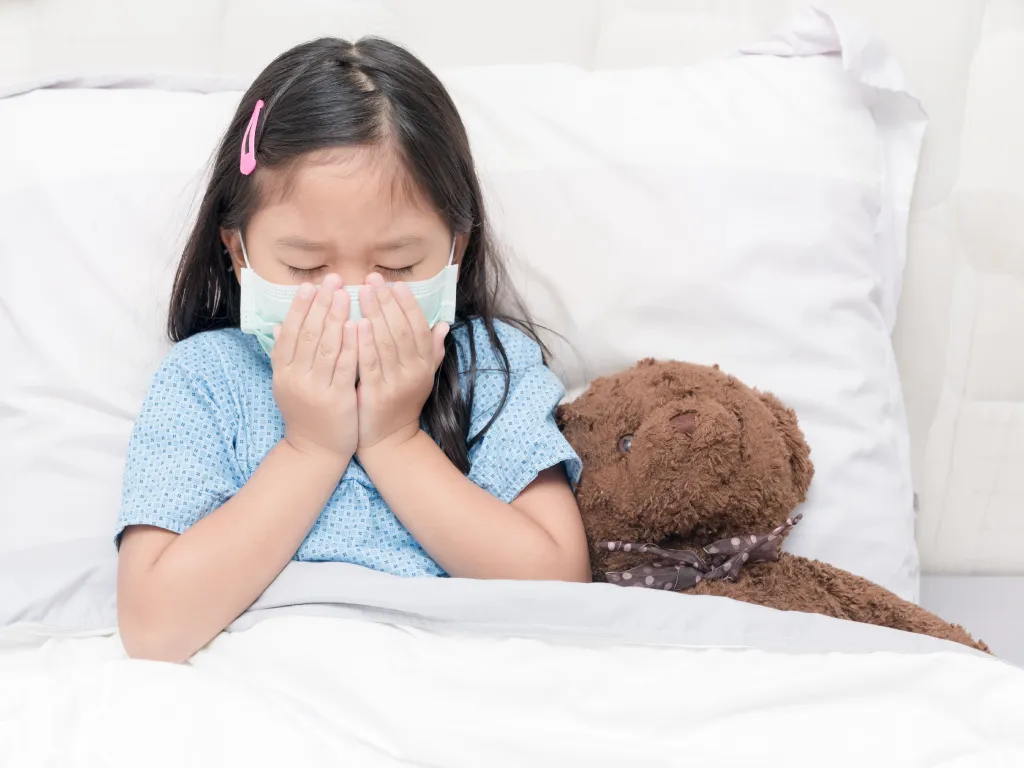
For many parents, it begins like an ordinary cold — a runny nose, morning sneezing, or a blocked nose that seems worse at night or in air-conditioned rooms. You give it time and expect it to clear up.
But weeks pass, and the symptoms never fully go away.
In Singapore and many parts of Asia, this situation is extremely common. What looks like a recurring cold is often allergic rhinitis, a chronic allergic condition that affects many children.
What Is Allergic Rhinitis?
Allergic rhinitis, commonly known as hay fever, is an inflammation of the nasal passages caused by an overreaction of the immune system to allergens in the environment.
When a child with allergic rhinitis breathes in these allergens, the immune system mistakenly treats them as harmful. This leads to inflammation in the nose and long-lasting symptoms.
In Singapore’s warm and humid climate, house dust mites are the most common trigger. Other common allergens include:
- Pollen
- Fungal spores
- Animal skin and fur
- Environmental irritants such as sawdust
Because these allergens are often present all year, allergic rhinitis in children tends to be ongoing rather than short-term.
Allergic Rhinitis Symptoms: Why It’s Often Mistaken for a Cold
Allergic rhinitis is often overlooked because its symptoms are very similar to those of common viral infections.
Common allergic rhinitis symptoms include:
- Runny or blocked nose
- Uncontrollable sneezing, especially in the morning
- Itchy nose, eyes, or throat
- Post-nasal drip
These allergic rhinitis symptoms usually last for weeks or even months.
In allergic rhinitis symptoms in child, fever is usually not present. This is an important clue for parents, as fevers are more common with infections.
Why Allergic Rhinitis Is Common in Children

Children are more likely to develop allergic rhinitis because:
- Their immune systems are still developing
- They spend long hours indoors, often in air-conditioned spaces
- Dust mites thrive in bedding, carpets, and soft toys
- School environments increase exposure to indoor allergens
Over time, repeated exposure can cause symptoms to become persistent.
Why You Shouldn’t Ignore Allergic Rhinitis
Although allergic rhinitis is not life-threatening, poor control can affect a child’s daily life.
Children with ongoing symptoms may experience:
- Poor sleep due to blocked noses
- Daytime tiredness and irritability
- Difficulty concentrating in school
- Mouth breathing or snoring
- Worsening asthma symptoms
Long-term poor sleep can affect learning, behaviour, and overall wellbeing.
What Parents Can Do
Early recognition and consistent management can greatly improve symptoms.
1 Reduce Exposure to Allergens
In Singapore, practical steps parents can take include:
- Washing bedsheets and pillowcases weekly in hot water
- Using dust-mite-proof mattress and pillow covers
- Reducing soft toys in sleeping areas
- Avoiding exposure to cigarette smoke
Environmental control plays an important role in managing allergic rhinitis symptoms.
2 Use Medications Correctly
Depending on symptom severity, treatment may include:
- Antihistamines
- Corticosteroid nasal sprays
- Leukotriene modifiers
- Eye drops
These medications should be used only as directed by a doctor to ensure safety and effectiveness.
3 How to Cure Allergic Rhinitis Permanently, Is It Possible?
Parents often ask if there is a way to cure allergic rhinitis permanently.
Currently, there is no permanent cure. However, symptoms can usually be well controlled with the right treatment and trigger management.
Another common question is: does allergic rhinitis go away?
In some children, symptoms improve as they grow older. Others may need longer-term care and regular follow-up.
When to See a Specialist
If your child’s symptoms continue despite good care at home, it may be helpful to consult an ENT Specialist. They can help:
- Confirm the diagnosis
- Identify specific allergen triggers
- Check for related conditions such as asthma or sinus problems
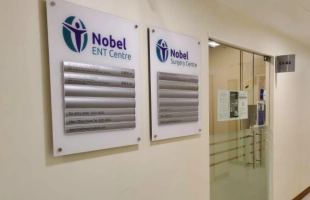
Some children may also be referred to specialist centres, such as Nobel Ear, Nose and Throat (ENT) Centre, depending on their needs and referral pathway.
Supporting Your Child’s Long-Term Health
Recognising allergic rhinitis symptoms in child early helps parents avoid unnecessary antibiotics and repeated treatment for infections that are not the cause.
If your child’s “cold” never seems to end, it’s time to take the next step. At Nobel ENT Centre, our ENT specialists are here to evaluate your child’s condition and provide the right care plan tailored to their needs.
Book an appointment today to get a clearer understanding of your child’s condition and start their journey to better health.
Related Doctor

Dr Annette Ang Hui Chi
Senior Consultant Ear, Nose and Throat MBBS (Singapore), MRCS (Edinburgh), MMed (ORL), FAMS (ENT)
Dr Fung Chak Yuen
Senior Consultant Ear, Nose and Throat MBBS (Singapore), FAMS (Singapore), MRCSI (Ireland), MMed (Otolaryngology, Singapore)
Dr Leong Hoo Kwong
Senior Consultant Ear, Nose and Throat Surgeon FRCS (Glasgow), MBBS (Singapore), FAMS (ORL) (Singapore), FICS (USA), FAAO (USA)Related Clinic

Nobel ENT Centre (Gleneagles)

Nobel ENT Centre (Mount Elizabeth Novena)
Nobel ENT Centre (Mount Alvernia)