
For many people, holidays begin as a planned period of rest, with changes in travel, daily schedules, and routines. The adjustments are often expected to be restorative.
However, as the days pass, some individuals experience increased irritability, anxiety, or emotional fatigue instead of improved wellbeing.
This response is common. Disruptions to routine, sleep patterns, and eating habits can affect hormonal regulation and the nervous system, leading to emotional imbalance even during time off.
Why Holiday Drains You
Your body works best with regular routines. During holidays, normal schedules often disappear. Sleep times shifts, meals are delayed or skipped, and days become filled with activities, travel, and social plans.
When there is little time for rest or recovery, it becomes harder for the body to regulate emotions. Even enjoyable activities when packed too closely together can quietly contribute to emotional fatigue.
Hormones play an important role in this process. They act as chemical messengers that influence mood, stress response, hunger, and sleep. When routines are disrupted, hormone balance can change, leading to both emotional and physical effects.
Emotionally Drained Symptoms During Holiday
Feeling emotionally drained does not always look dramatic. Common emotionally drained symptoms include:
- Feeling more irritable or easily annoyed
- Feeling anxious or emotionally sensitive
- Tired even after resting
- Difficulty focusing or thinking clearly
- Poor sleep or waking up feeling unrefreshed
- Feeling overwhelmed by small or minor issues
These symptoms are often signs that the nervous system has not had enough time to recover from ongoing stimulation and stress.
Increased Irritability from Skipped Meals
Skipped or delayed meals are a common trigger for mood changes during holidays.
When the body goes for long periods without food, blood sugar levels fall. This triggers the release of stress hormones such as cortisol and adrenaline. At the same time, the hunger hormone ghrelin increases
These changes can be caused by:
- Irritability
- Restlessness or shakiness
- Difficulty concentrating
- Low energy
As a result, missed meals can quickly turn a positive experience into frustration, even when hunger is not immediately recognised.
Stress That Hides Behind Holidays Plan
Travel delays, crowded places, busy schedules, family expectations and financial pressure can build up slowly without being noticed.
When the body is under stress, it releases a hormone called cortisol. In small amounts, cortisol helps the body cope. When stress continues for several days, cortisol levels may remain elevated and begin to affect mood, sleep, digestion, and energy levels.
This is why some people feel tense, emotionally flat, or easily overwhelmed during what is meant to be a relaxing break.
How Poor Sleep Affects Mood and Emotional Control
Late nights, early flights, and unfamiliar sleeping environments often interfere with sleep during holidays.
Poor sleep directly affects the nervous system and hormones involved in mood regulation. Lack of quality sleep can make you feel more anxious, emotionally reactive, or easily irritated the next day. It can also increase hunger and cravings, creating further energy highs and crashes.
Diet Changes and Energy Highs and Lows
Holiday foods are often richer and sweeter than usual. While enjoying food is part of the experience, frequent sugary snacks can lead to rapid spikes in energy followed by sudden crashes.
These fluctuations can leave you feeling tired, moody, or mentally foggy. Alcohol can further disrupt sleep and hydration, adding strain to both physical and emotional health.
How to Stop Feeling Emotionally Drained

Small changes can help protect your emotional and physical wellbeing:
- Eat regularly, even if meals are smaller
- Carry snacks while travelling to avoid long gaps between meals
- Stay hydrated, especially when flying or spending time outdoors
- Protect sleep where possible by keeping bedtimes consistent
- Leave space for rest and avoid overscheduling every day
These simple steps can go a long way in helping how to stop feeling emotionally drained during busy periods.
Take Care of Your Emotional Wellbeing Early
Feeling emotionally drained or irritable during holidays is common, but ongoing symptoms should not be ignored. Paying attention to how your body and mind respond to stress can help prevent longer-term issues.
At Nobel Diabetes, Endocrine & Thyroid Centre, we provide professional support through comprehensive assessments and specialised endocrine care. Our doctors focus on understanding how stress, sleep, and hormonal balance affect your overall wellbeing.
If emotional exhaustion, anxiety, or low mood continues beyond the holidays, arranging an assessment early can help you regain balance and feel more like yourself again.
Related Doctor

Dr Nitish Mishra
Senior Consultant Endocrinologist MBBS(India), MRCP(UK), FAMS(Singapore)
Dr Tng Eng Loon
Senior Consultant Endocrinologist MBBS (Singapore), FAMS (Singapore), MRCP (UK), MMed (Singapore), MSc (Endocrinology and Diabetes, UK), MSc (Evidence-based Healthcare, UK), FRCP (UK)Related Clinic

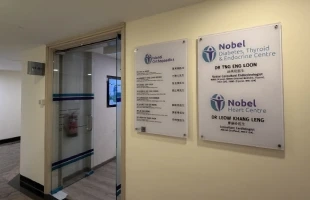
Nobel Diabetes, Thyroid and Endocrine Centre (Mount Elizabeth Novena)

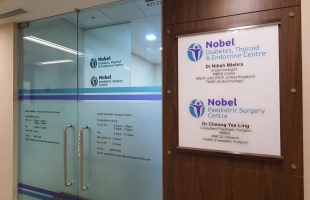
Nobel Diabetes, Thyroid and Endocrine Centre (Mount Alvernia)