

Emotions do not only affect how we feel mentally—they can also influence how the heart functions. Many people experience a faster heartbeat, chest sensations, or discomfort during periods of stress, anxiety, or intense excitement. Understanding how our emotions can influence the heart helps us know when these feelings are temporary, and when it might be time to pay a visit to the doctor.
Stress and strong emotions are common parts of everyday life, but how do they impact our heart? Here’s what you need to know.
How Emotions Can Affect the Heart
Our heart is regulated by the autonomic nervous system, which responds directly to emotional states. When we are under stress, our body releases hormones like adrenaline and cortisol. These hormones prepare the body for action but also place temporary strain on the cardiovascular system, triggering responses such as:
- Increased heart rate
- Stronger or irregular heartbeats
- Raised blood pressure
- Chest tightness or awareness.
This is why stress, anxiety, or excitement can lead to noticeable heart sensations, even in people without any heart conditions.
While these reactions are usually temporary, it’s important to understand how emotions affect our heart so we can tell when it’s just stress, and when it’s time to seek medical advice.
Stress, Anxiety, and Chest Sensations
If stress or anxiety lingers, your heart may stay in a heightened state of alert. Over time, this can lead to symptoms like palpitations (the feeling of your heart racing) or a constant awareness of your heartbeat.
Although these symptoms are often linked to emotional stress, it's important to listen to your body. In some rare cases, they could point to something more serious, so it’s always a good idea to get checked out if you're unsure.
The Impact of Negative Emotions on Heart Health
When stress or negative emotions become chronic, they can have a long-term effect on your heart health, by fuelling unhealthy behaviours such as smoking, unhealthy eating/ physical inactivity and poor sleep. This coupled with prolonged exposure to stress hormones can:
- Increase inflammation and plaque build-up in blood vessels
- Affect your heart's rhythm
- Raise blood pressure
While occasional stress probably won’t cause lasting damage, constant emotional strain over time can increase the risk of heart problems. That's why managing stress is an important part of taking care of your heart.
How to Manage Negative Emotions for Heart Health

Learning how to manage negative emotions is not only good for your mental well-being, it’s great for your heart too. Here are some simple practices that can help reduce stress and protect your heart:
- Try stress management techniques like deep breathing or meditation
- Stay active with regular physical exercise
- Get enough rest to support both emotional and physical recovery
- Explore relaxation techniques like mindfulness or yoga
These easy steps can help ease the strain on your heart and improve your overall health.
When to See a Cardiologist
While it’s common to experience temporary heart sensations during stressful times, it’s important to listen to your body. If you notice heart-related symptoms that:
- Occur frequently
- Worsen over time
- Interfere with daily activities
It’s a good idea to speak with a cardiologist. A cardiologist can help assess whether your symptoms are related to emotional stress or if there’s a need for further evaluation. In some cases, heart screening may be recommended to provide reassurance and ensure your heart is healthy, especially if you're experiencing persistent discomfort or want to be proactive about your cardiovascular health.
Remember, a visit to the cardiologist may not always be necessary but having that conversation can give you reassurance and help you stay on top of your heart health.
At Nobel Heart Centre, we specialise in diagnosing and managing cardiovascular health. If you notice persistent or concerning heart-related symptoms, our team of cardiologist can assess your condition and provide guidance, helping you stay on top of your heart health.
Related Doctor

Dr Koh Choong Hou (Koh Junhao)
Senior Consultant Cardiologist MRCP (UK), MBBS, MMed (Int Med), DipAvMed (UK), ASCeXAM (Testamur)
Dr Leow Khang Leng
Consultant Cardiologist MRCP (UK), MBChB (Sheffield)
Dr Saurabh Rastogi
Senior Consultant Interventional Cardiologist MBBS (Maulana Azad Medical College New Delhi, India), American Board of Internal Medicine (ABIM) Diplomate (Interventional Cardiology), ABIM Diplomate (Cardiovascular Disease), ABIM Diplomate (Internal Medicine), Diplomate (Certification Board of Nuclear Cardiology, United States)Related Clinic

Nobel Heart Centre (Gleneagles Hospital)

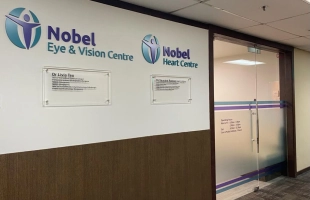
Nobel Heart Centre (Mount Elizabeth Novena)