

Valentine’s Day is often seen as a time for romance, connection, and feeling emotionally uplifted. Yet for some people, the season brings the opposite. Instead of excitement, they may feel constantly tired, low in mood, or simply “not in the mood”.
If this sounds familiar, you’re not alone. And importantly, it’s not a personal failing or a lack of effort. Sometimes, the reason lies deeper — within your hormones.
Hormones quietly influence how energetic, motivated, and emotionally balanced we feel. When they’re out of sync, even occasions meant to feel special can feel exhausting instead.
How Hormones Affect Energy and Mood
Hormones act as chemical messengers that regulate essential body functions such as sleep, metabolism, stress response, and emotional wellbeing.
When hormone levels fall outside the optimal range, changes often occur gradually, making them easy to overlook or attribute to stress, ageing, or a busy lifestyle.
Some common signs that hormones may be affecting how you feel include:
- Feeling tired even after adequate rest
- A persistently low or flat mood
- Reduced motivation or interest in intimacy
- Difficulty sustaining energy throughout the day
When these symptoms linger or begin to affect daily life, an endocrinologist can help assess whether hormonal imbalance may be contributing.
Valentine’s Day Stress and Hormonal Fatigue
Although Valentine’s Day is meant to be uplifting, it can also bring emotional and social pressure. Expectations around relationships, planning celebrations, and balancing work or family life can create stress without us even realising it.
Stress triggers the release of cortisol, a hormone designed to help the body cope in the short term. When cortisol remains elevated for prolonged periods, it can interfere with other hormones involved in energy regulation, sleep, and mood.
Over time, this may lead to:
- Ongoing fatigue
- Disrupted or unrefreshing sleep
- Feeling emotionally drained
- Reduced interest in intimacy
Instead of feeling energised, the body may slip into a state of fatigue during a time that is expected to feel joyful.
Beyond stress-related hormones like cortisol, other hormones, such as testosterone, also play a key role in energy, mood, and vitality.
Low Testosterone and Reduced Vitality
Testosterone is another hormone that plays an important role in overall vitality. While it is often associated with men, testosterone is important for people of all genders. It supports energy levels, mood stability, muscle strength, and motivation.
When testosterone levels are low, individuals may notice:
- Persistent tiredness
- Reduced drive or motivation
- Changes in mood or confidence
- A general sense of reduced vitality
A proper hormone assessment by a specialist can help determine whether testosterone imbalance or other hormonal factors are contributing to these symptoms.
When “Not in the Mood” Becomes a Health Signal
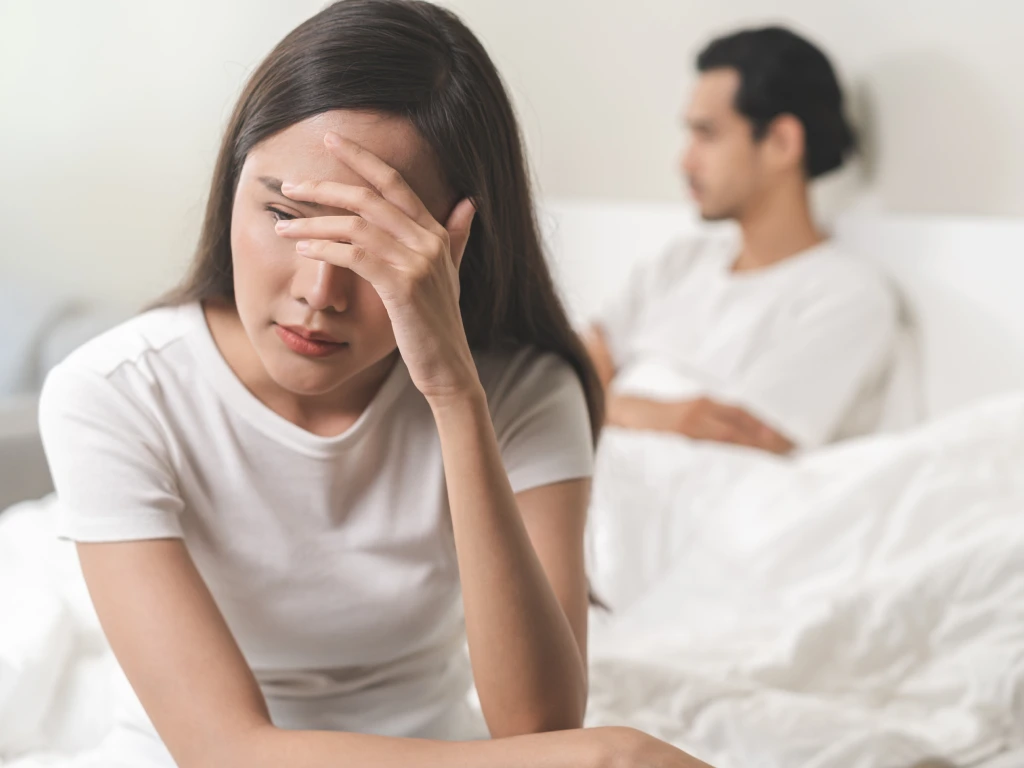
Feeling not in the mood occasionally is completely normal. However, when it becomes persistent, especially when paired with fatigue or low mood, it may be the body’s way of signalling that something is off.
Hormonal conditions involving the thyroid, adrenal glands, or reproductive hormones can subtly affect:
- Emotional wellbeing
- Energy levels
- Sexual interest
- Day to day functioning
Understanding these underlying causes often requires a comprehensive hormonal evaluation, rather than assuming the issue is purely psychological or lifestyle-related.
Supporting Your Wellbeing Beyond Valentine’s Day
Valentine’s week does not have to be associated with exhaustion or emotional lows. If feeling tired, low in mood, or disconnected has become a recurring concern, hormonal health may be influencing how your body is functioning.
Recognising these signals is an important step toward restoring balance, not only during Valentine’s Day but throughout the year. At Nobel Diabetes, Thyroid & Endocrine Centre, our endocrinologists support individuals in understanding how hormonal health may affect energy, mood, and overall wellbeing. Through comprehensive assessments, they help individuals restore balance over time.
Sometimes, feeling “not in the mood” isn’t about romance at all. It’s about listening to what your body is trying to tell you.
Related Doctor

Dr Nitish Mishra
Senior Consultant Endocrinologist MBBS(India), MRCP(UK), FAMS(Singapore)
Dr Tng Eng Loon
Senior Consultant Endocrinologist MBBS (Singapore), FAMS (Singapore), MRCP (UK), MMed (Singapore), MSc (Endocrinology and Diabetes, UK), MSc (Evidence-based Healthcare, UK), FRCP (UK)Related Clinic

Nobel Diabetes, Thyroid and Endocrine Centre (Mount Alvernia)

Nobel Diabetes, Thyroid and Endocrine Centre (Mount Elizabeth Novena)