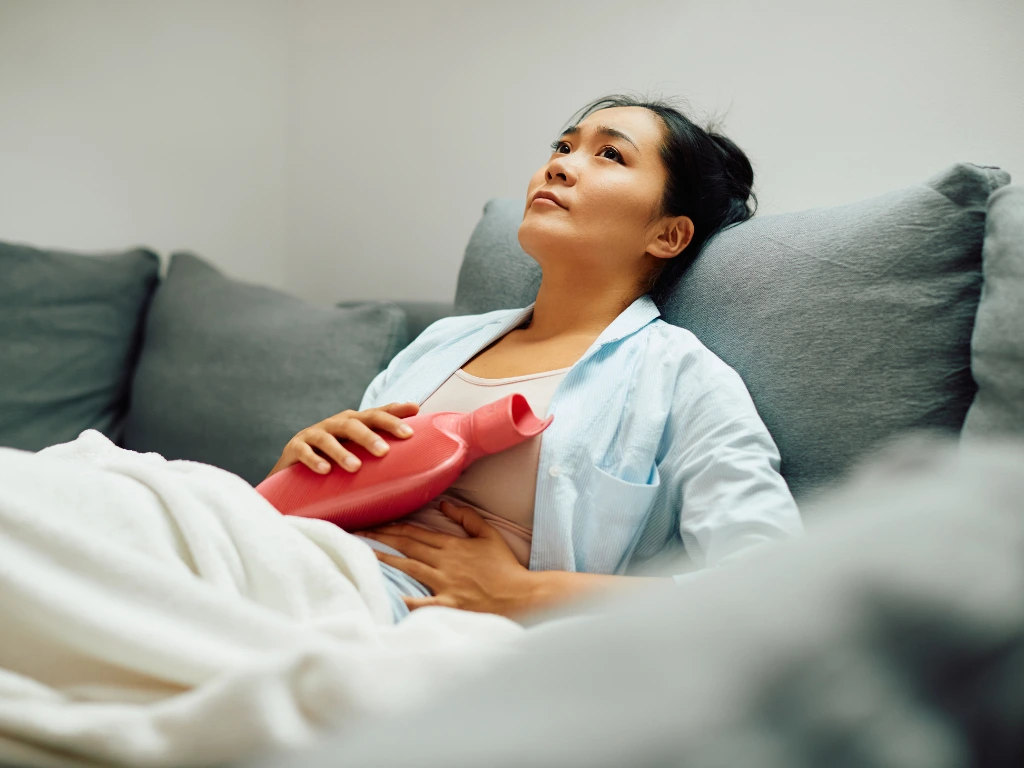
For many women, menstrual cramps are considered “just part of being a woman.” But when your periods come with severe pain during period, heavy bleeding, fatigue, or digestive issues that disrupt your work, school, or daily life, it’s time to pay attention. These symptoms could be signs of endometriosis, a condition affecting around one in ten women worldwide.
Endometriosis occurs when tissue like the uterine lining grows outside the uterus. This misplaced tissue responds to hormonal changes during your cycle, causing inflammation, scar tissue, and sometimes chronic pain. While it’s often misunderstood, early recognition of endometriosis symptoms and timely care can improve quality of life and even preserve fertility.
Why Severe Period Pain Isn’t Normal
Mild cramps are a normal part of menstruation for most women. However, pain that interferes with daily activities, worsens over time, or doesn’t respond to over-the-counter painkillers is never normal. Such pain may be accompanied by secondary dysmenorrhea, a medical term for menstrual pain that intensifies over the years.
Ignoring these warning signs can lead to complications, including organ involvement, chronic pain, and fertility issues. Severe period pain is more than discomfort; it’s your body signaling that something is wrong. Recognising the difference between normal cramps and potential endometriosis is the first step toward getting proper care.
Understanding The Symptoms of Endometriosis
Endometriosis can manifest differently in each woman, but certain signs are common and should never be ignored:
- Severe period pain
- Heavy bleeding during period
- Pain during sex
- Pain with bowel movements or urination
- Chronic fatigue and digestive issues
- Infertility or difficulty conceiving
Other possible signs include lower back or leg pain during periods, spotting between cycles, and mood changes linked to chronic discomfort. While occasional cramps are normal, persistent or worsening symptoms should prompt a consultation with a specialist.
Risk Factors
Endometriosis can affect women of all ages, but it most commonly appears during the reproductive years. Some risk factors include:
- Family history
Women with mothers or sisters who have endometriosis are more likely to develop it. - Early onset of menstruation
Starting periods at a young age may increase risk. - Long menstrual cycles
Cycles longer than 27 days may be associated with higher risk.
Understanding your personal risk can help you identify symptoms early and seek timely medical advice.
How Endometriosis Affects Daily Life

Endometriosis can affect more than physical health. It may impact:
- Work and school attendance
- Emotional wellbeing
- Relationships and intimacy
- Energy levels and quality of life
Pain that interferes with daily life deserves medical attention.
When to Seek Help
If you experience any of the following, it’s time to consult an endometriosis specialist:
- Severe cramps that interfere with daily life
- Heavy bleeding during periods
- Pain during sex, urination, or bowel movements
- Chronic fatigue, digestive issues, or mood changes
- Difficulty conceiving or infertility concerns
Early evaluation can prevent long-term complications, provide symptom relief, and improve overall quality of life. Many women delay seeking help because they believe their pain is normal, but consulting a specialist can provide clarity and effective treatment options.
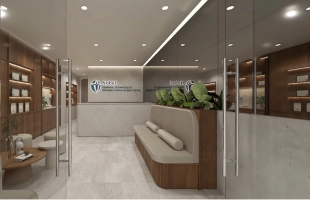
At Nobel Obstetrics & Gynaecology women experiencing severe period pain receive comprehensive care from experienced endometriosis specialists in Singapore. From early diagnosis to tailored treatment plans, the team focuses on symptom relief, fertility support, and long-term health.
Treatment can include:
- Medication to manage pain and reduce inflammation
- Hormonal therapy to slow endometrial growth
- Minimally invasive surgery for severe cases
- Lifestyle guidance and fertility planning
Your Pain Is Valid
Severe period pain is not something you should live with silently, it’s your body’s signal that attention is needed. If you’ve been struggling with persistent cramps, heavy bleeding, or other endometriosis symptoms, reaching out a specialist can be the first step toward relief and improved quality of life.
Related Doctor

Dr Michelle Lim Hui Ping
Consultant Obstetrician and Gynaecologist MBBS (Singapore), FAMS (Singapore), MRCOG (United Kingdom)Related Clinic

Nobel Obstetrics, Gynaecology and Minimally Invasive Surgery Centre (Mount Elizabeth Novena)