
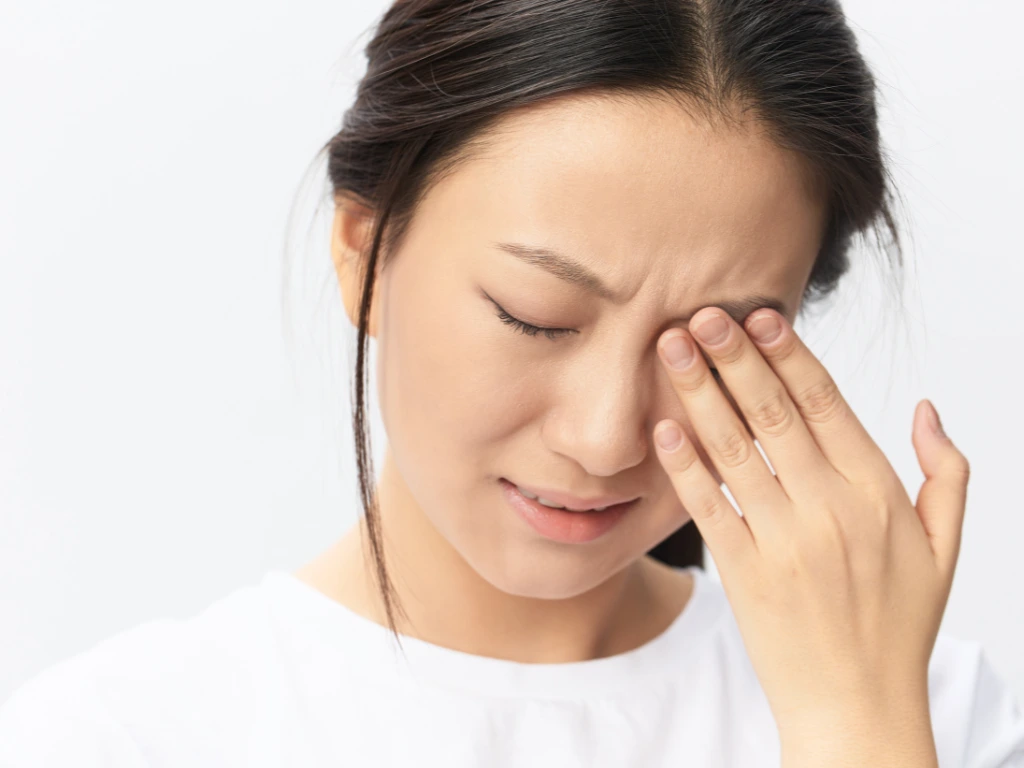
Looking tired is something many people attribute to stress, lack of sleep, or ageing. However, if your upper eyelid starts to droop noticeably or affects your vision, it may be more than just fatigue.
This condition, known as ptosis (droopy eyelid), is often seen as a cosmetic issue. But in some cases, it can signal an underlying medical problem that requires attention. Understanding the signs, causes, and treatment options can help you take the right steps early.
When Droopy Eyelids Means More
Ptosis occurs when the upper eyelid falls lower than normal. It can affect one eye or both eyes, and severity can vary.
Doctors often describe this as:
- Partial ptosis – the eyelid droops slightly but does not fully block vision
- Complete ptosis – the eyelid covers the whole pupil and eye and interferes with vision
Some people may notice that one eyelid looks lower than the other, while others feel constant heaviness around the eyes. Although ptosis is commonly linked to ageing, it is not always harmless.
In mild cases, it may only affect appearance. However, more severe drooping can block vision and impact daily activities.
The Subtle Warning Signs of Ptosis
The most noticeable sign is a droopy upper eyelid, but other symptoms can also appear.
You might notice small changes such as:
- One eyelid sitting lower than the other
- A heavy or tired feeling around the eyes
- Needing to raise your eyebrows to see more clearly
- Eye strain by the end of the day
Some people may also experience headaches due to constantly trying to lift their eyelids. Children, and some adults with ptosis may develop a chin-up head posture to compensate for blocked vision.
Because symptoms can develop gradually, some people may not realise their eyelid drooping is affecting their vision until it becomes more noticeable.
What Causes Ptosis?
The upper eyelid is lifted by a muscle called the levator muscle, which raises the eyelid every time you open your eyes. If this muscle becomes weak or stretched, the eyelid may begin to droop.
There are several possible causes of ptosis, including:
1. Congenital Ptosis
Congenital ptosis is present at birth and occurs when the eyelid lifting muscle does not develop properly.
Children with congenital ptosis may have:
- One or both eyelids drooping since birth
- Difficulty opening the eye fully
- A risk of developing amblyopia (lazy eye) if the eyelid blocks vision
Early evaluation is important because untreated ptosis in children may affect visual development.
2. Acquired ptosis
Acquired ptosis develops later in life and is more common in adults.
Some common causes include:
- Age related and degenerative muscle changes
As people age, the levator muscle can stretch or weaken. This is one of the most common causes for ptosis. Wearing contact lenses daily for several years can also weaken the eyelid muscles and results in ptosis.
- Nerve conditions
Certain nerve problems can affect the muscles responsible for lifting the eyelid. E.g third cranial nerve palsy, myasthenia gravis.
- Eye injury or surgery
Trauma to the eye area or previous eye procedures may weaken the eyelid muscles. The muscle can be stretched and weakened after eye surgery e.g cataract and retina surgery.
- Muscle disorders
Some medical conditions affecting muscles can lead to eyelid drooping e.g. myotonic dystrophy.
- Tumors or growths
In rare cases, lumps or swelling in the eyelid can weigh the eyelid down.
As the cause of ptosis varies from person to person, a consultation and clinical examination is necessary to determine the underlying reason.
Cosmetic vs Medical Ptosis: When Should You Worry?
Cosmetic ptosis tends to develop gradually, usually affects both eyes, and is linked to natural ageing. While it may affect appearance, it does not typically occur with other symptoms, and it does not affect vision.
Ptosis that is related to an underlying medical condition on the other hand, may:
- Appear suddenly
- Affect only one eye
- Be associated with changes in vision or muscle strength
A quick self-check
If you are unsure, pause and ask yourself:
- Did this happen suddenly?
- Is only one eyelid affected?
- Are there any changes in my vision or eyelid muscle strength?
If your answer is yes to any of these questions, you should seek medical attention immediately.
How Ptosis Affects Vision and Daily Life
Although droopy eyelids are often seen as a cosmetic concern, ptosis can affect how well you see and affect your daily life.
When the eyelid covers part of the pupil, it can reduce the upper field of vision. This may make it harder to:
- Read comfortably
- Drive safely
- Use digital devices for extended periods of time
- Recognise and visualise objects above eye level
Over time, constantly lifting your eyebrows to compensate can lead to fatigue and discomfort.

How to Fix Droopy Eyelids
It is natural to look for simple solutions first. Many people search for ways to fix droopy eyelids without surgery.
Some options you may come across include:
- Using eyelid tape to create a temporary lift
- Applying eyedrops that stimulate the eyelid muscle to lift the eyelids
- Making lifestyle adjustments to reduce eye strain or fatigue
These approaches may help improve appearance in the short term. However, they do not address the underlying cause.
If drooping is due to muscle or nerve issues, proper medical treatment is needed. In more significant cases, ptosis surgery or ptosis correction surgery may be recommended to improve both vision and eyelid function.
When to See a Doctor
You should consult a doctor if you notice:
- A sudden droopy eyelid
- Drooping that worsens over time
- Vision becoming blocked or affected
- Double vision or unusual neurological symptoms
- A drooping eyelid in a child
An early ptosis diagnosis helps to determine whether the condition is cosmetic or linked to an underlying medical condition and ensures appropriate treatment.
Treatment Options
Treatment depends on the cause and severity and may include:
You should consider medical advice if:
- Managing an underlying medical condition
- Addressing nerve or muscle issues
- Surgical correction in more severe cases
The best treatment for droopy eyelids varies from person to person, which is why a proper assessment is important.
Do Not Ignore Your Eyes
Although droopy eyelids are sometimes dismissed as a cosmetic concern, they can also signal an underlying eye, nerve, or muscle condition. Recognising the symptoms early can help prevent vision problems and improve quality of life.
At Nobel Eye & Vision Centre, our eye specialists carefully evaluate each patient to determine the cause of eyelid drooping and recommend appropriate treatment options, including ptosis surgery when necessary.
If you notice a persistent drooping eyelid, do consult an eye specialist who can help you understand the condition and explore safe and effective treatment options.
Related Doctor

Dr Elton Tay Lik Tong
Senior Consultant Ophthalmologist MBBS (Singapore), FAMS (Singapore), DAvMed (UK), MMed (Singapore)
Dr Livia Teo
Senior Consultant Ophthalmologist MBBS, MMED (Ophthalmology) MRCSEd (Ophthalmology), FRCSEd (Ophthalmology), FAMS (Ophthalmology)etrereetRelated Clinic

Nobel Eye & Vision Centre (Gleneagles Hospital)

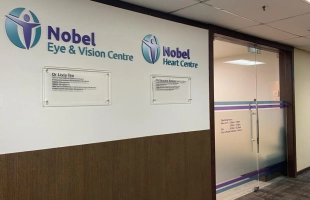
Nobel Eye & Vision Centre (Mount Elizabeth Novena)