Endometriosis is a common condition seen at many gynaecology clinics, yet it remains frequently underdiagnosed. Many women live with symptoms for years without realising that they may be linked to endometriosis. Left unrecognised, endometriosis can not only affect a woman’s overall health but also potentially impact on fertility, making it more challenging to conceive.
Understanding the symptoms of endometriosis and how it affects fertility can help women seek timely care, protect their reproductive health, and improve quality of life.
Why Endometriosis Is Often Missed
Endometriosis is frequently underdiagnosed because its symptoms are often normalised or mistaken for something less serious. Painful periods, for example, are often dismissed as something women should simply tolerate, while other symptoms may not seem obviously related to gynaecological health. Many women also believe that symptoms must be constant or severe to be concerning.
In reality, the symptoms of endometriosis can vary widely from woman to woman. They may begin mildly and gradually worsen over time, leading to delayed diagnosis and potentially affecting fertility.
Subtle Signs of Endometriosis That Should Not Be Ignored
Endometriosis can present differently in each woman. Here are some signs to take note of:
- Painful Periods That Disrupt Daily Life
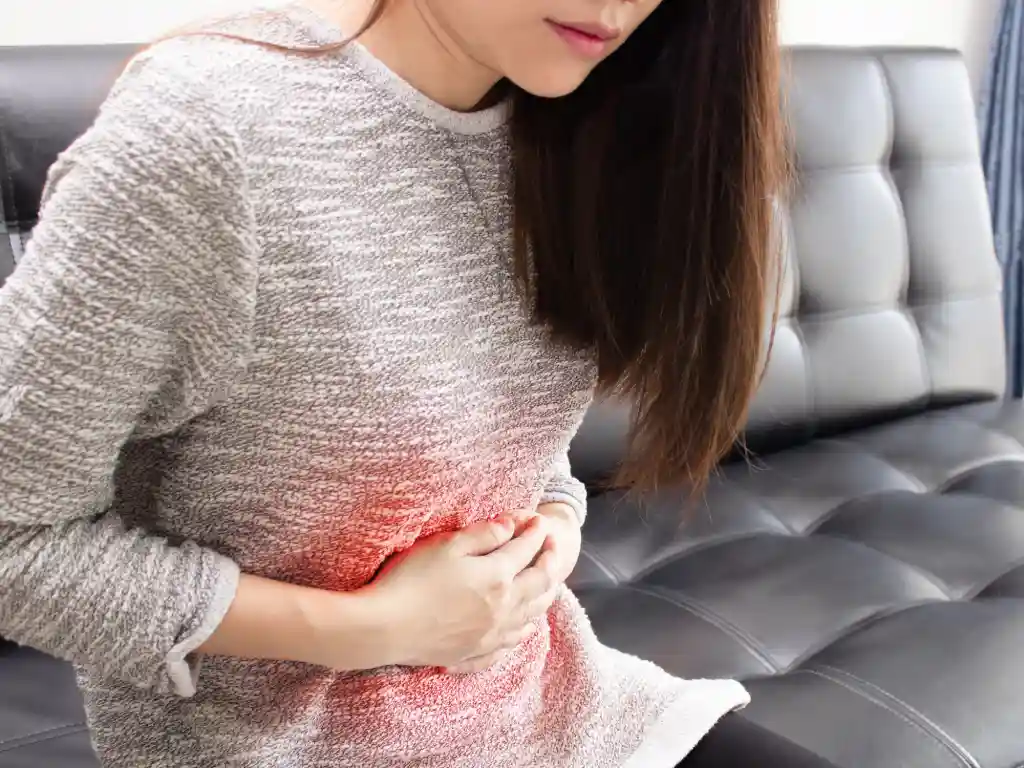
Menstrual pain that interferes with work, school, or daily activities may be sign of endometriosis, especially if pain relief provides little improvement. - Pelvic Pain Outside of Menstruation
Pain that occurs even when you are not having your period may indicate inflammation related to endometriosis. - Pain During or After Sex
Discomfort or pain during or after intercourse is a commonly overlooked symptom that should not be ignored. - Chronic Lower Back or Abdominal Pain
Ongoing pain in the lower back or abdomen may be linked to endometriosis, particularly when it worsens menstruation. - Bloating or “Endo Belly”
Some women experience noticeable bloating, especially before or during periods, which may be associated with inflammation. - Painful Bowel Movements or Urination During Period's
Pain when using the toilet during menstruation may occur when endometriosis affects surrounding organs. - Difficulty Conceiving
Some women only discover they have endometriosis when they experience difficulty conceiving or unexplained infertility.
Endometriosis and Fertility
Endometriosis can affect fertility in several ways. Inflammation caused by the condition may interfere with ovulation or implantation, while scar tissue may form around the ovaries, fallopian tubes, or other pelvic structures, disrupting the normal function of the reproductive organs. While endometriosis can make conception more challenging, it does not always result in infertility. Many women with endometriosis can still conceive with the right treatment.
If you are planning a pregnancy or struggling with infertility, a consultation with a gynaecologist is recommended. Your gynaecologist will assess your symptoms, medical history, and conduct a clinical evaluation. In some cases, imaging may be recommended to better understand the extent of the condition and its impact on fertility.
Endometriosis and Fertility Treatment Options
Treatment options for women with endometriosis who are experiencing fertility issues vary depending on the severity of the condition, age, and reproductive goals. The treatment approach may include managing symptoms, supporting conception, or both.
For some women, surgical options such as laparoscopic surgery may be recommended to remove endometriosis implants or scar tissue, which can improve the chances of conception. For others, fertility treatments like in vitro fertilisation (IVF) may be necessary to support pregnancy. Early diagnosis is crucial in determining the most effective treatment plan to support fertility.
Why Early Diagnosis Is Important
Early diagnosis of endometriosis is important for determining the most effective fertility treatment. The earlier it’s detected, the more treatment options become available.
It helps assess the extent of the condition, allowing for targeted treatments and prevent further damage to reproductive organs. This ensures that women receive the right care when it matters most.
Additionally, early diagnosis facilitates timely decisions about fertility preservation or family planning.
Taking the Next Step
If symptoms persist or fertility concerns remain unexplained, consulting a specialist can provide guidance and reassurance.
At Nobel Obstetrics, Gynaecology and Minimally Invasive Surgery Centre, we offer personalised care for endometriosis and gynaecology-related concerns. Our experienced specialist is here to support you through diagnosis, treatment, and your fertility journey.
Related Doctor

Dr Michelle Lim Hui Ping
Consultant Obstetrician and Gynaecologist MBBS (Singapore), FAMS (Singapore), MRCOG (United Kingdom)Related Clinic

Nobel Obstetrics, Gynaecology and Minimally Invasive Surgery Centre (Mount Elizabeth Novena)