
Stress has become part of everyday life in fast paced societies like Singapore. Long workdays, overflowing messages, and the pressure to keep up can make stress feel normal even expected.
But stress doesn’t only come from office deadlines. Homemakers often carry the unseen weight of managing households and caring for their families, while students juggle the pressures of exams, grades, and social expectations.
At the same time, rising mental health challenges such as anxiety and depression mean that everyday stress can slowly build up, often without us realising the toll it takes on our bodies. While we may notice stress through irritability, fatigue, or restless nights, its effects can go far beyond that. Over time, chronic stress can quietly increase the risk of heart disease and other cardiovascular problems.
How Stress Affects Your Heart
When you feel stressed, your body shifts into “alert” mode. Stress hormones are released, increasing your heart rate and blood pressure.
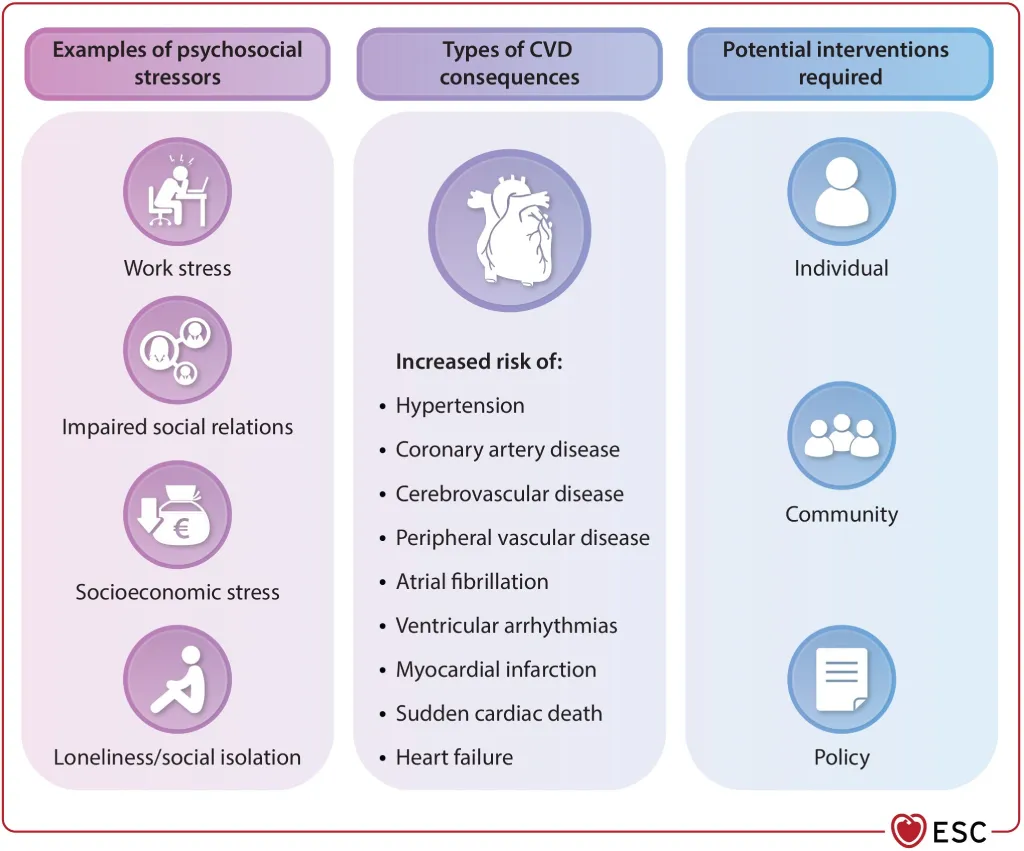
Stress can trigger cardiovascular events through several interconnected pathways. It disrupts the body’s autonomic balance, increasing heart rate and blood pressure, while also altering neuroendocrine response that keep stress hormones elevated. At the same time, it activates inflammatory processes that can damage blood vessels over time.
In addition, chronic stress often leads to heart damaging behaviours such as smoking, excessive alcohol consumption and poor lifestyle habits, all of which further increase the risk of heart disease and stroke.
The problem arises when stress becomes constant. With ongoing stress, your heart is repeatedly forced to work harder than it should. Blood pressure may remain elevated; inflammation can increase, and blood vessels may lose flexibility. Over time, these changes can contribute to heart disease and increase the risk of serious events, such as heart attacks.
Mental health and cardiovascular disease are tightly interlinked, a connection recognised by global expert bodies. In fact, the 2025 European Society of Cardiology (ESC) Clinical Consensus Statement highlights the importance of identifying and managing mental health conditions as part of comprehensive cardiovascular care. This underscores why stress matters , even when it doesn’t feel serious at the moment, its effects on your heart can be profound and long-lasting.
Signs stress may be affecting your heart
Stress-related heart strain usually does not show up as dramatic chest pain. Instead, it tends to appear as small, everyday discomforts. Some people describe it as a heart feels strained sensation. Others simply feel unwell without being able to explain why.
Common symptoms include:
- Feeling tired most of the time, even after rest
- A tight or heavy feeling in the chest, especially during stressful moments
- Shortness of breath when doing simple activities
- A fast or irregular heartbeat
- Feeling light-headed or slightly dizzy
- Difficulty sleeping or waking up feeling unrefreshed
Because these symptoms come and go, many people ignore them or blame stress itself.
When these symptoms become part of your normal routine, it is easy to stop questioning them. That is often when they deserve more attention.
Why These Symptoms Are Often Ignored
One reason stress related heart symptom are overlooked is because they overlap with everyday exhaustion. It is easy to assume you are simply busy or burn out.
In addition, stress does not look the same for everyone. Some people feel anxious and restless, while others feel flat, drained, or emotionally numb. Although the emotional experience may differ, the physical effects on the body can be surprisingly similar.
Ignoring these signals does not make them disappear. Instead, the body adapts to functioning under stress, which increases long term health risks.
How to Manage Stress for Your Heart
Manage stress does not mean removing all challenges from your life. It means helping your body recover from stress more effectively.
Here are practical ways to reduce stress while supporting heart health:
- Honour Your Rest
Quality sleep allows your heart rate and blood pressure to settle, giving your body a chance to recover from daily stress. Poor or irregular sleep keeps stress hormones elevated, contributing to long-term heart strain. Aim for consistent sleep times and sufficient rest each night. - Move Regularly & With Purpose
Regular physical activity helps your body release stress hormones and improves circulation. Gentle movement like walking, stretching, or light exercise is often enough to reset your nervous system and protect your heart. Even short, purposeful breaks during the day can make a big difference. - Eat With Intention & Know Your Numbers
Being mindful about your diet supports both heart health and stress management. Monitor important health markers such as cholesterol, blood sugar, and blood pressure, and aim for balanced meals rich in fruits, vegetables, whole grains, and lean proteins. Mindful eating can also reduce stress-related overeating and help your body recover more effectively.
Excess caffeine and alcohol can worsen palpitations, disrupt sleep, and make it harder for your body to recover from stress. - Protect Your Future
Avoiding harmful habits such as smoking or excessive alcohol consumption is one of the simplest ways to protect your heart. These habits not only increase cardiovascular risk but can also worsen stress responses and disrupt sleep. - Choose sustainability over extremes
Big, drastic lifestyle changes are hard to maintain. Instead, focus on small, consistent habits that are sustainable over the long term. Over time, these incremental changes add up to significant improvements in both heart health and stress resilience. - Take ownership of your health story
Your heart health is shaped by your daily choices. Being proactive about stress management, mental wellbeing, and heart care allows you to take control of your health story and reduce long-term cardiovascular risk.
Signs It May Be Time to Get Checked

If you notice recurring symptoms such as chest tightness, unexplained fatigue, or frequent palpitations, it is important not to ignore them.
You should consider seeing a doctor if:
- Symptoms persist even during periods of rest
- You feel breathless or dizzy with mild activity
- Stress symptoms are affecting your daily life
- You have risk factors such as high blood pressure, diabetes, or a family history of heart disease
Looking after your heart
Stress can influence blood pressure, heart rhythm, and overall cardiovascular strain, especially when combined with other health risks. Recognising these changes early gives you the opportunity to act before problems become more serious.
At Nobel Heart Centre we help patients from identifying early risk factors to managing established heart conditions. Listening to your body and addressing stress early may be one of the simplest ways you can protect your heart in the long run.
Related Doctor

Dr Koh Choong Hou (Koh Junhao)
Senior Consultant Cardiologist MRCP (UK), MBBS, MMed (Int Med), DipAvMed (UK), ASCeXAM (Testamur)
Dr Leow Khang Leng
Consultant Cardiologist MRCP (UK), MBChB (Sheffield)
Dr Saurabh Rastogi
Senior Consultant Interventional Cardiologist MBBS (Maulana Azad Medical College New Delhi, India), American Board of Internal Medicine (ABIM) Diplomate (Interventional Cardiology), ABIM Diplomate (Cardiovascular Disease), ABIM Diplomate (Internal Medicine), Diplomate (Certification Board of Nuclear Cardiology, United States)Related Clinic

Nobel Heart Centre (Mount Elizabeth Novena)


Nobel Heart Centre (Gleneagles Hospital)