

Feeling tired after a long day is normal. But if your energy never seems to return even after proper rest or a full night’s sleep it could be your body signalling an underlying issue.
One commonly overlooked cause of persistent fatigue is the thyroid gland. This small but powerful organ plays a major role in how your body produces and uses energy. Understanding thyroid function and recognising early thyroid symptoms can help you seek the right care before fatigue starts affecting your quality of life.
Tiredness vs True Fatigue: What’s the Difference?
Tiredness usually improves after rest, sleep, or a short break.
True fatigue does not.
If you experience fatigue, you may:
- Wake up feeling exhausted
- Feel drained all day
- Struggle to focus or stay active
- Feel weak even after resting
When fatigue lasts for weeks or months, it is often linked to internal factors particularly hormonal imbalances, such as thyroid disorders.
What Is the Function of the Thyroid Gland?
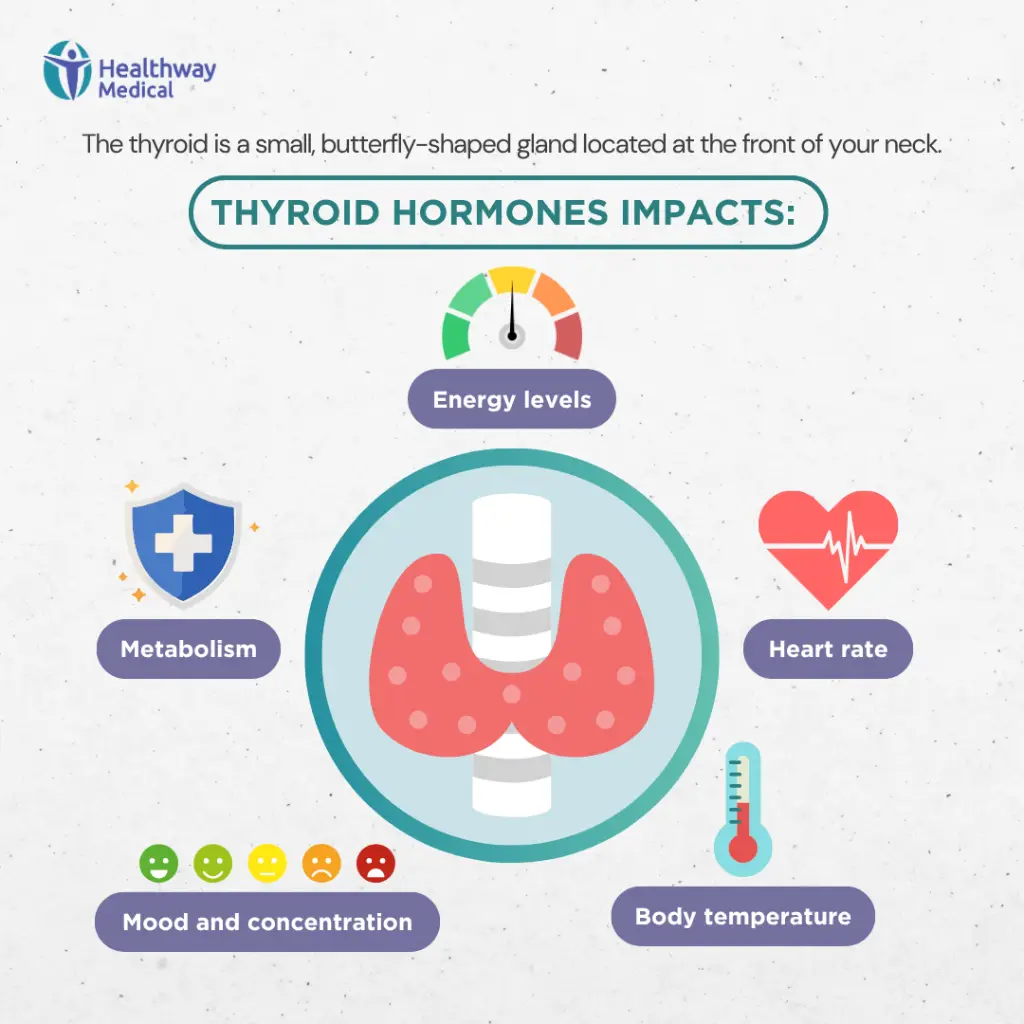
The thyroid is a small, butterfly-shaped gland located at the front of your neck. It produces hormones that control how fast your body uses energy. These hormones influence:
- Energy levels
- Heart rate
- Body temperature
- Metabolism
- Mood and concentration
In simple terms, the thyroid acts like your body’s energy control centre.
When thyroid hormone levels are too low or too high, your ability to produce and sustain energy can be affected.
How Thyroid Hormones Control Energy
A healthy thyroid helps your body convert food into energy. When this system is balanced, most people feel alert and able to cope with daily activities.
If the thyroid is underactive or overactive, your body may struggle to balance energy.
- Low thyroid hormone → slow energy use → constant tiredness -> reduced physical and mental stamina
- High thyroid hormone (overactive thyroid) → fast energy use → burnout and weakness over time
Both can cause long-term fatigue.
Why Rest Alone May Not Help
If fatigue is caused by thyroid problems, resting more may not fix it.
This is because:
- The body is not producing or using energy properly
- Hormone imbalance continues even during rest
- Sleep quality may be affected
That’s why people with thyroid-related fatigue often say that they “never feel refreshed,” no matter how much they rest.
Other Signs That Point to Thyroid-Related Fatigue
Fatigue often comes with other thyroid symptoms. These may include:
- Sensitive to temperature changes (feeling too cold or too hot)
- Unexplained weight gain or weight loss
- Hair thinning or hair loss
- Dry skin
- Mood changes or anxiety
- Fast or slow heartbeat
- Heavy menstrual periods or short periods with minimal blood loss
- Reduced fertility, difficulty falling pregnant
- Frequent bowel movements or constipation
An overactive thyroid may also cause:
- Feeling restless or shaky
- Trouble sleeping
- Sudden weight loss despite an increasing appetite
- Anxiety
- Excessive heat intolerance and sweating
- Sudden weakness in your limbs after a carbohydrate rich meal
If fatigue comes with these symptoms, your thyroid may be involved.
When to See a Specialist
You should consider seeing a doctor if:
- Fatigue lasts more than a few weeks
- Rest and sleep do not help
- You notice other thyroid symptoms
- Fatigue affects your daily life or work
- Difficulty trying to cenceive
- You have a family history of thyroid disease
Thyroid problems cannot be confirmed based on symptoms alone.
A simple blood test is usually required to assess thyroid hormone levels and how well the thyroid gland is functioning.
Early testing is important, as thyroid disorders are often manageable when detected promptly.
Getting Answers for Low Energy
If you feel tired all the time and rest does not help, your thyroid may be affecting your energy levels. Understanding thyroid functions and recognising common thyroid symptoms can help identify the cause early.
At Nobel Endocrinology & Diabetology, our specialists provide comprehensive thyroid assessments and personalised treatment plans to help identify the cause of persistent fatigue and support your recovery.
Frequently Asked Question
Is thyroid-related fatigue linked to autoimmune conditions?
Yes. Many thyroid disorders are caused by the immune system mistakenly attacking the thyroid gland.
This autoimmune inflammation can interfere with normal hormone production and contribute to long-term fatigue, brain fog, bloating, palpitations and difficulty coping with daily activities.
Can thyroid problems cause eye changes or bulging eyes?
In some people with an overactive thyroid, the immune system can also affect the tissues around the eyes.
This may lead to bulging or prominent eyes, dryness, irritation, eye pressure, light sensitivity, and, in some cases, double vision.
These eye changes are caused by inflammation around the eyes rather than by thyroid hormone levels alone.
How is a thyroid problem diagnosed?
Thyroid issues are most commonly diagnosed with a blood test to check levels of TSH, T3 and T4. If needed, additional imaging tests (like ultrasound) and thyroid antibodies can be used to assess the gland.
How long will I need treatment for thyroid conditions?
Treatment duration varies:
- Most if not all people with hypothyroidism need lifelong hormone replacement
- Some people with hyperthyroidism may be treated with medication, radioactive iodine or surgery, and then need monitoring afterwards
Your doctor will tailor the plan based on your condition.
Related Doctor

Dr Nitish Mishra
Senior Consultant Endocrinologist MBBS(India), MRCP(UK), FAMS(Singapore)
Dr Tng Eng Loon
Senior Consultant Endocrinologist MBBS (Singapore), FAMS (Singapore), MRCP (UK), MMed (Singapore), MSc (Endocrinology and Diabetes, UK), MSc (Evidence-based Healthcare, UK), FRCP (UK)Related Clinic

Nobel Diabetes, Thyroid and Endocrine Centre (Mount Alvernia)


Nobel Diabetes, Thyroid and Endocrine Centre (Mount Elizabeth Novena)