
We all deal with stress. Deadlines, relationships, expectations, constant notifications, modern life doesn’t exactly make it optional. Most of the time, we reassure ourselves: it will pass once things calm down.
But sometimes, it doesn’t.
Sometimes stress lingers long after the situation ends. It shows up quietly—in your sleep, your mood, your reactions, and even your body. You’re still functioning, still showing up, still doing what you need to do.
But something feels… off.
What makes stress particularly concerning is how quietly it develops. It rarely arrives with a clear warning. It builds gradually, often unnoticed, until it starts to take a real toll—on your health, your relationships, and your sense of self.
When Stress Lingers Longer Than It Should
There’s a common belief that stress is temporary. You get through a busy period, take a break, and everything resets.
But the human stress response isn’t designed for modern, continuous pressure. It’s built for short bursts of danger followed by recovery. When stress becomes constant or emotionally overwhelming, the body doesn’t always switch off properly.
Instead, it remains activated in the background. Over time, chronic stress can affect:
- Sleep quality - difficulty falling asleep, staying asleep, or waking up feeling unrefreshed
- Emotional regulation - snapping more easily, feeling tearful, or going numb
- Concentration - struggling to focus, forgetting things, feeling mentally foggy
- Physical health - persistent headaches, muscle tension, digestive issues
- Your overall sense of calm or safety - a vague but constant feeling that something is wrong
What feels like “just being tired” can sometimes be the early stage of something deeper.
When Stress Quietly Accumulates
Stress rarely arrives all at once. More often, it stacks up, one thing on top of another until the weight becomes hard to ignore.
You might notice:
- Feeling more irritable than usual
- Small issues becoming overwhelming
- Rest that doesn’t feel restorative
- A mind that keeps replaying situations
- A constant sense of being “on edge”, even when nothing specific is wrong
Because you’re still functioning, it’s easy to dismiss these changes. Many people assume it’s burnout, lifestyle pressure, or simply needing a break.
But when stress isn’t processed, it doesn’t disappear, it accumulates.
When Chronic Stress Becomes Something More
In some cases, prolonged or intense stress can develop into mental health conditions such as anxiety or depression.
In other situations, especially after distressing or overwhelming experiences—the brain may continue responding as if the threat is still present, even when it is no longer happening.
This is where Post-Traumatic Stress Disorder (PTSD) comes in.
While chronic stress alone does not always lead to PTSD, ongoing stress can increase vulnerability particularly when combined with traumatic or emotionally overwhelming experiences. Over time, the nervous system may remain in a heightened state of alert, making it harder for the brain to fully process and “file away” distressing events.
PTSD is often misunderstood as something that only follows extreme events. In reality, it occurs when the brain struggles to process a distressing experience, leaving the body stuck in survival mode.
Common Signs of PTSD
- Intrusive thoughts or recurring memories
- Avoidance of reminders
- Being easily startled or constantly alert
- Emotional numbness or detachment
- Sleep disturbances
Not everyone who experiences stress will develop PTSD. But understanding this progression helps people recognise when stress may be moving beyond normal limits.
Why Many People Miss the Signs
One of the biggest challenges with long-term stress is that it doesn’t always look like distress.
Many people who are struggling still:
- Show up to work and perform well
- Meet responsibilities
- Maintain friendships and relationships
- Appear “fine” to everyone around them
Because life continues, the internal experience is often minimised.
It’s common to tell yourself:
- “I’m just tired.”
- “I’m overthinking.”
- “It’s just a busy phase; things will settle down”
Over time, this normalisation can delay recognising when something deeper is happening.
When Your Mind Doesn’t Fully Switch Off
There’s a subtle shift many people describe: life doesn’t feel unsafe—but it doesn’t feel calm either.
You might notice:
- Difficulty relaxing, even during rest
- Persistent physical tension
- Light or disrupted sleep even when exhausted
- Heightened sensitivity to stress
- Feeling emotionally distant
These aren’t dramatic symptoms, but they are persistent.
And persistence is often the clearest sign that stress is no longer temporary.
The Importance of Early Awareness
Mental health professionals emphasise that early recognition can make a meaningful difference.
Stress-related conditions exist on a spectrum. What begins as everyday stress can gradually evolve into more complex emotional and psychological patterns if left unaddressed.
The goal isn’t to self-diagnose but to notice patterns.
Because the earlier you understand what you’re experiencing, the more options you have for support, clarity, and recovery.
What You Can Do If This Feels Familiar
If any of this resonates, it doesn’t mean something is “wrong” with you. It may simply mean your mind and body are holding onto more than they should.

Some gentle steps include:
- Noticing patterns instead of dismissing them: Keep a simple log of your sleep, mood, and energy levels. Patterns often become clearer when written down.
- Allowing true rest, not just distraction: Scrolling through your phone or binge-watching shows isn't the same as restoration. Give your nervous system actual downtime.
- Talking to someone you trust: Sometimes just naming what you're experiencing out loud to a friend, family member, or partner can provide relief and perspective.
- Reducing overstimulation where possible: Constant input keeps the stress response activated. Small changes like turning off notifications or building in quiet time can help.
- Seeking professional support if symptoms persist: You don't need to wait until things become overwhelming. In fact, reaching out earlier often leads to better outcomes.
A Gentle Step Forward
If stress has been lingering longer than expected, or if something about your mental or emotional state doesn’t feel quite right, it may be worth speaking to a professional.
What starts as manageable pressure can, over time, shape how you think, feel, and respond to the world around you.
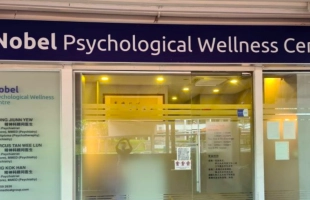
At Nobel Psychological Centre, our psychiatrists takes a personalised and thoughtful approach to understanding each individual’s experience. Whether it’s ongoing stress or anxiety, seeking support can provide clarity and direction.
Because sometimes, the most important step isn’t waiting for things to get worse. It’s choosing to understand what you’re feeling now.
Frequently Asked Questions (FAQ)
How do I know if what I’m feeling is just stress or something more?
It’s a common question. Stress usually comes and goes with a situation. But when the feeling lingers—when you’re constantly tired, on edge, or mentally drained even when things seem “fine”, it may be a sign that your body hasn’t fully switched out of stress mode.
Why do I still feel stressed even when nothing is wrong anymore?
Your mind and body don’t always move at the same pace as your circumstances. Even after a stressful period ends, your nervous system can remain activated. This is why you might still feel tense, restless, or unable to relax, even when life has technically calmed down.
Does long-term stress always lead to anxiety or PTSD?
Not always. Many people experience stress without developing a mental health condition. However, prolonged or intense stress can increase vulnerability, especially when combined with overwhelming or distressing experiences.
Can things get better?
Yes, but not by pushing through the same way. Recovery often starts with recognising what your mind and body need, allowing space to rest, and getting the right support when needed. With time and the right approach, it’s possible to feel more like yourself again.
Related Doctor

Dr Seng Kok Han
Consultant Psychiatrist MBBS (Singapore), MMED (Psychiatry)
Dr Thong Jiunn Yew
Consultant Psychiatrist MBBS (Singapore), MMED (Psychiatry), FAMS (Psychiatry), Graduate Diploma (Psychotherapy)
Dr Zheng Zhimin
Consultant Psychiatrist MRCPsych, MBBSRelated Clinic

Nobel Psychological Wellness Centre (Novena Medical Centre)


Nobel Psychological Wellness Centre (Ang Mo Kio)