
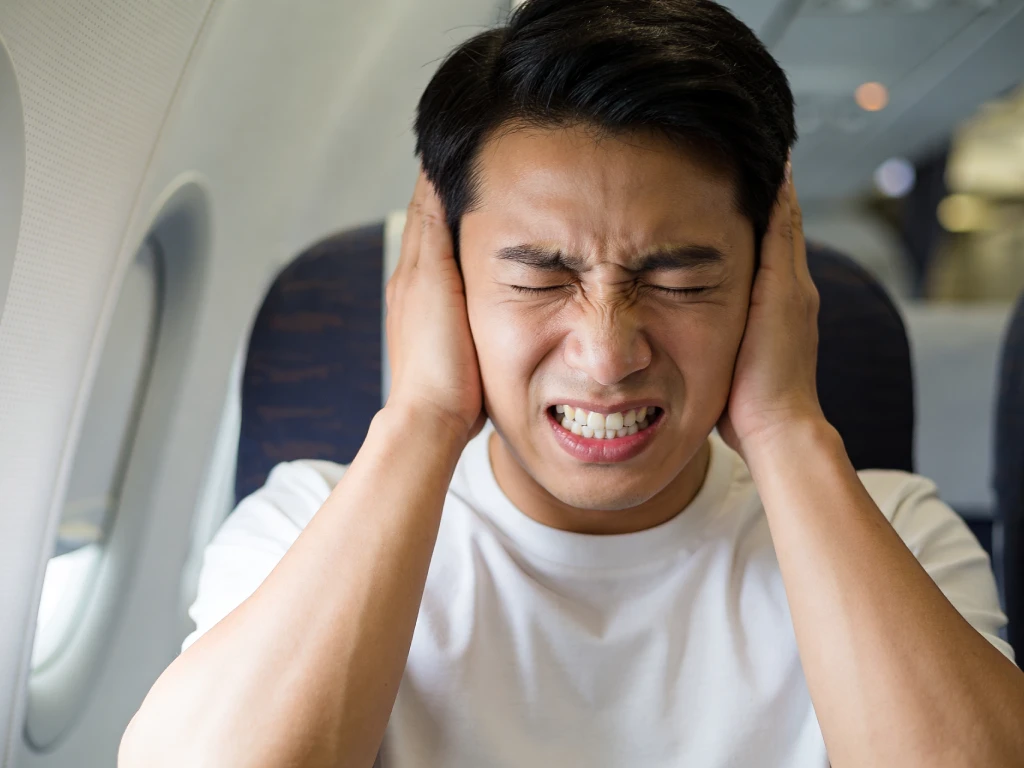
You’re halfway through landing when it starts, a sudden pressure in your ears that won’t go away. Swallowing doesn’t help, and your hearing feels muffled.
This uncomfortable sensation, often called airplane ear, is very common during flights, especially during take-off and landing. The good news is that in most cases, it’s temporary and preventable with a few simple techniques.
What is Airplane Ear?
Airplane ear, also known as ear barotrauma or aerotitis media, happens when the pressure inside your middle ear doesn’t adjust quickly enough to match changes in cabin pressure.
Inside your ear is a small passage called the Eustachian tube, which helps balance pressure. Normally, it opens when you swallow, yawn, or chew. But during rapid altitude changes, this process can lag causing pressure to build up and stretch the eardrum.
That’s when you feel discomfort, blockage, or pain.
What Does Airplane Ear Feel Like?
Symptoms can affect one or both ears and may include:
- Ear pain or discomfort
- A blocked or plugged sensation
- Muffled hearing
- Popping or crackling sounds
- Ringing in the ears
- Dizziness or imbalance
- Temporary hearing loss
For most people, symptoms improve shortly after landing. However, some individuals may experience lingering discomfort for a few days.
Who Is More Likely to Experience Airplane Ear?
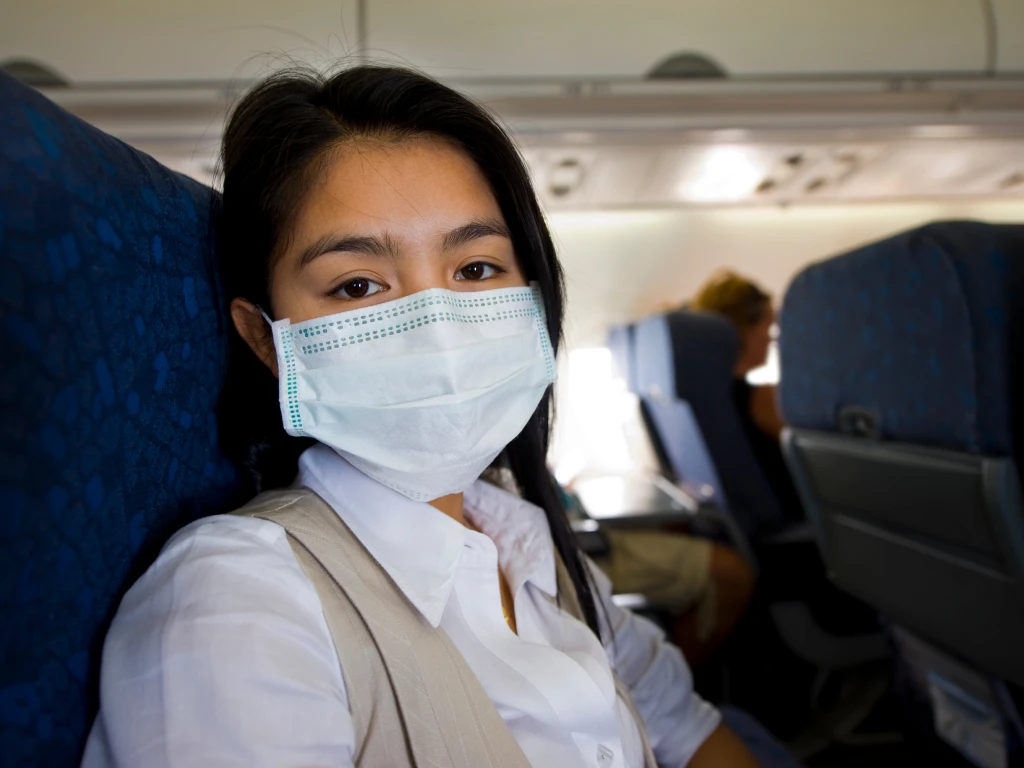
Anyone can develop airplane ear, but certain factors increase the risk.
You may be more prone to airplane ear pain if you:
- Have a cold or flu
- Suffer from allergies
- Have sinus congestion or sinusitis
- Recently had an ear infection
- Frequently travel by air
- Are flying with young children
Congestion around the nose and throat can block the Eustachian tube, making it harder to pressure to equalise during the flight.
How to Prevent Ear Pain Before Your Flight
The best approach is prevention. Taking a few precautions before travelling can significantly reduce the likelihood of ear pain.
1. Avoid flying when you are sick
If possible, avoid flying when you have a cold, sinus infection, or severe allergies. Inflammation and congestion can narrow the Eustachian tubes, making pressure changes more difficult to manage.
If postponing your trip is not possible, speak to your doctor about medications that help relieve congestion before travelling.
2. Stay hydrated
Drinking water helps keep your airways moist and supports normal ear function. Try to limit alcohol and caffeine, as they can contribute to dehydration.
3. Consider using a nasal spray
Some travelers benefit from using a saline nasal spray or a doctor recommended decongestant spray before take-off and landing.
These sprays may help reduce swelling inside the nose, allowing pressure to equalise more easily.
Always follow medical advice and product instructions when using any medication.
How to Prevent Airplane Ear During the Flight
Pressure changes happen most quickly during ascent and descent, so this is when you should take action.
1. Swallow frequently
Swallowing helps open the Eustachian tubes. You can do this by:
- Sipping water
- Sucking on sweets
- Drinking through a straw
2. Chew gum
Chewing gum stimulates frequent swallowing and is one of the simplest ways to reduce airplane ear discomfort.
Many experienced travelers make it a habit to chew gum during ascent and descent.
3. Yawn intentionally
Yawning helps open the Eustachian tubes and equalise pressure.
Even if you do not feel tired, deliberately yawning several times can help relieve pressure build up.
4. Try the Valsalva manoeuvre
If your ears feel blocked, gently:
- Close your mouth
- Pinch your nose
- Blow gently as though you are trying to exhale through your nose
This can help open the Eustachian tubes and balance pressure.
Be careful not to blow too strongly, as excessive pressure may injure the ear.
How Long Does Airplane Ear Last?
One of the most common questions travelers ask is how long does airplane ear last?
For most people, symptoms improve within a few minutes to several hours after landing.
However, some individuals may continue to experience:
- Ear fullness
- Muffled hearing
- Mild discomfort for a few days.
Persistent symptoms lasting more than a few days may indicate more significant ear barotrauma and should be evaluated by a doctor.
How to Relieve Ear Pain After Flying
If you are already experiencing discomfort after a flight, several measures may help.
1. Continue swallowing and yawning
Pressure often resolves naturally over time. Frequent swallowing, chewing, and yawning can continue to encourage pressure equalisation.
2. Use warm compresses
Applying a warm compress over the affected ear may help relieve discomfort.
3. Stay hydrated
Adequate hydration supports recovery and helps maintain healthy function of the nose and throat.
When Should You See an ENT Specialist?
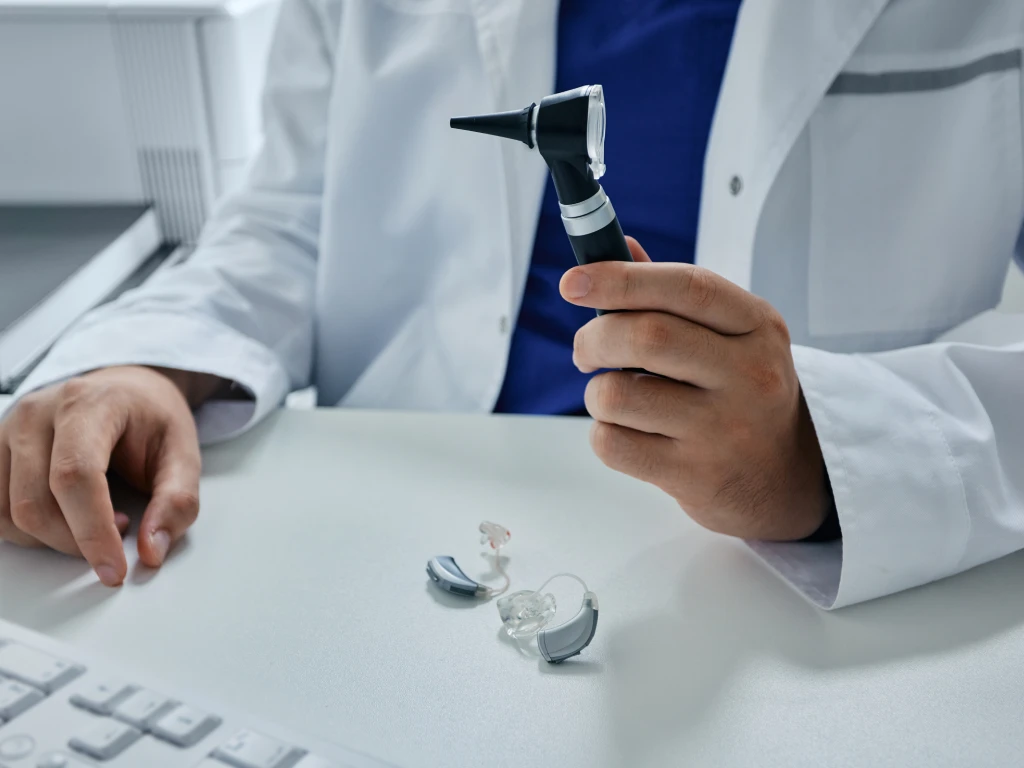
While most cases of airplane ear resolve on their own, specialist assessment may be recommended if you experience:
- Severe ear pain
- Hearing loss that persists after your flight
- Significant dizziness
- Ear discharge
- Symptoms lasting more than a few days
- Frequent airplane ear despite preventive measures
An ENT specialist can assess your ears, identify underlying issues, and recommend appropriate treatment if needed.
Don't Let Ear Pain Disrupt Your Travel Plans
Airplane ear is a common travel complaint, but it does not have to ruin your journey.
Simple measures such as staying hydrated, chewing gum, swallowing frequently, and managing congestion before flying can go a long way in preventing airplane ear pain.
If you continue to experience recurrent airplane ear, prolonged symptoms, or hearing difficulties after flying, seeking early medical evaluation can help identify any underlying ear, nose, or throat conditions that may be contributing to the problem.
Dr Leong Hoo Kwong (Senior Consultant Ear, Nose and Throat) at Nobel ENT Centre at Gleneagles treats patients with a wide range of ear, nose, and throat conditions, including hearing disorders, sinus and nasal conditions, allergies, snoring and sleep apnoea, as well as paediatric ENT issues and head and neck tumours.
Frequently Asked Questions
Can airplane ear cause permanent damage?
In most cases, no. However, severe or repeated pressure injury may require medical attention.
Do earplugs help with airplane ear?
Yes. Special pressure-regulating earplugs can slow pressure changes and reduce discomfort during flights.
Is it safe to fly with blocked ears?
It depends on the cause. Flying with a cold or severe congestion may worsen symptoms.
Can babies and children get airplane ear?
Yes, and they may have more difficulty equalising pressure. Feeding or using a pacifier during take-off and landing can help.
Related Doctor

Dr Annette Ang Hui Chi
Senior Consultant Ear, Nose and Throat MBBS (Singapore), MRCS (Edinburgh), MMed (ORL), FAMS (ENT)
Dr Fung Chak Yuen
Senior Consultant Ear, Nose and Throat MBBS (Singapore), FAMS (Singapore), MRCSI (Ireland), MMed (Otolaryngology, Singapore)
Dr Leong Hoo Kwong
Senior Consultant Ear, Nose and Throat Surgeon FRCS (Glasgow), MBBS (Singapore), FAMS (ORL) (Singapore), FICS (USA), FAAO (USA)Related Clinic

Nobel ENT Centre (Mount Alvernia)


Nobel ENT Centre (Mount Elizabeth Novena)

Nobel ENT Centre (Gleneagles)