

Neurosurgeon in Singapore for Adult and Paediatric Brain and Spine Conditions
At Nobel Brain & Spine Center, we provide specialist neurosurgical assessment and treatment for adults and children with conditions affecting the brain, spine and nervous system.
Our areas of expertise include assessment and treatment of brain and spinal tumours, pituitary and skull base conditions, hydrocephalus and complex paediatric neurosurgical conditions.
Adj Assoc Prof Vincent Nga Diong Weng, Senior Consultant Neurosurgeon, provides care planned around your diagnosis, symptoms, medical history and imaging findings. Depending on your condition, options may include monitoring, surgery through minimally invasive and image-guided approaches, and even Gamma Knife radiosurgery.
When You May Need to See a Neurosurgeon
Seeing a neurosurgeon does not necessarily mean surgery is needed.
You may be referred to a neurosurgeon when a scan, examination or previous diagnosis suggests a condition involving the brain, spine or nervous system that requires specialist assessment.
This may include:
- A brain or spinal tumour found on MRI or other imaging.
- A pituitary or skull base tumour.
- A complex brain or spinal condition.
- A congenital brain or spinal condition in a child.
- Hydrocephalus.
- Conditions that may require neurosurgical assessment or treatment planning.
A neurosurgical consultation can help you better understand the diagnosis, whether further tests are needed and which management options may be appropriate for you.
Brain and Spine Conditions and Treatments
We provide specialist assessment and management for a range of adult and paediatric brain and spine conditions.
Brain Tumours
Assessment and treatment planning for adult and paediatric brain tumours, with management tailored to the tumour type, location, symptoms and individual needs.


Pituitary & Skull Base Surgery
Specialist care for tumours in the area between the pituitary and base of the skull. Minimally invasive treatment options, such as an endoscopic endonasal approach, allows the surgeon to reach the affected area with smaller surgical openings, less risk of injury and quicker recovery. Suitability will depends on the type, size and location of the condition and the patient's individual circumstances.
Paediatric Neurosurgery
Specialist neurosurgical care for children with conditions affecting the brain, spine and nervous system. Dr Vincent Nga has specialised training and clinical experience in paediatric neurosurgery, including paediatric neuro oncology, neuro-endoscopy, spinal surgery and congenital conditions.

Spine & Spinal Tumour Care
Assessment and treatment planning for spinal tumours and complex spinal conditions in adults and children. Minimally invasive spinal surgery can be done where appropriate
Adult & Paediatric Hydrocephalus
Hydrocephalus occurs when too much cerebrospinal fluid (CSF) builds up in or around the brain. Our specialist will assess and manage hydrocephalus in both adults and children, with treatment guided by the underlying cause, symptoms and individual needs.
Minimally Invasive Neurosurgery
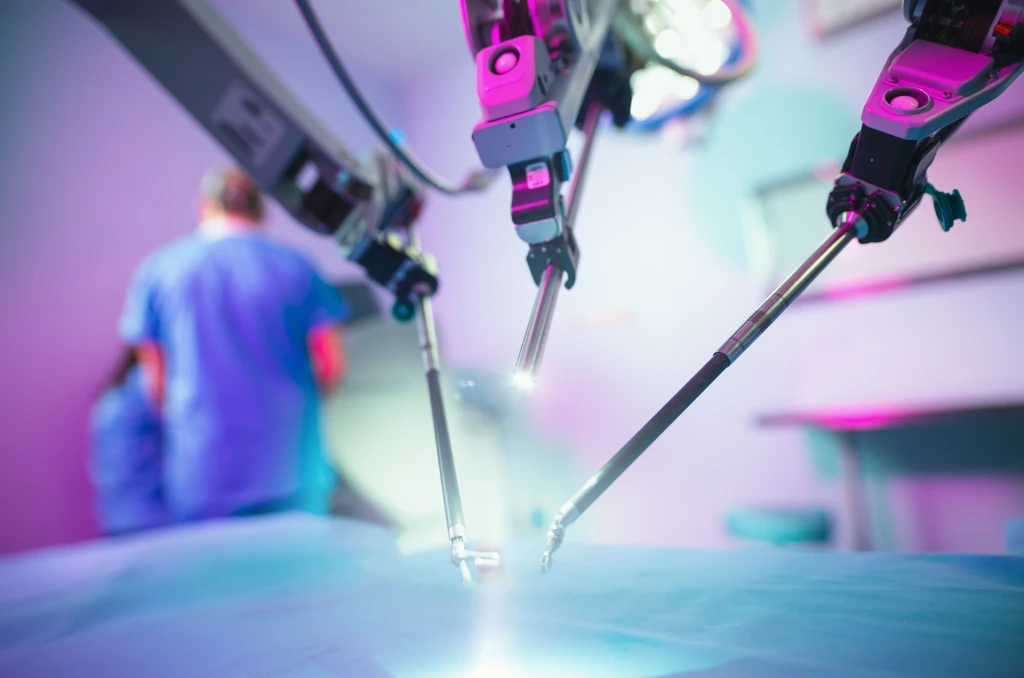
Minimally invasive neurosurgery uses specialised techniques and instruments to access certain areas of the brain or spine through smaller surgical openings which reduce the risk of injury or complications to the brain and generally allow patients to recover quicker. Where appropriate, minimally invasive endoscopic techniques are considered to treat selected brain and spinal conditions.

Neuroendoscopy
Neuroendoscopy uses a small camera and specialised instruments to reach certain areas of the brain through a small opening. It may be used to diagnose or treat selected conditions, including conditions affecting the brain's fluid-filled spaces.

Gamma Knife Radiosurgery
Despite its name, Gamma Knife radiosurgery does not involve a conventional surgical incision. It is a form of stereotactic radiosurgery that delivers focused radiation to a precisely targeted area and may be considered for selected brain conditions. The most appropriate treatment approach depends on the diagnosis, location and characteristics of the condition, as well as the patient's individual needs.
What to Expect at Your Consultation with a Neurosurgeon
A consultation is an opportunity to understand what your diagnosis means and what your options may be.

Your neurosurgeon will discuss your symptoms, medical history and any diagnosis you have already received.
If you have previous MRI or CT scans, scan reports or other relevant medical records, these can help provide a clearer picture of your condition.
Your existing imaging and test results will be reviewed together with your symptoms and examination findings.
Further investigations may be recommended if more information is needed.
Dr Nga will explain the available options based on your individual condition.
Depending on the diagnosis, this may include monitoring, surgery, radiosurgery or another form of treatment.
If treatment is recommended, your doctor will discuss why it may be suitable, what it involves and the next steps in your care.
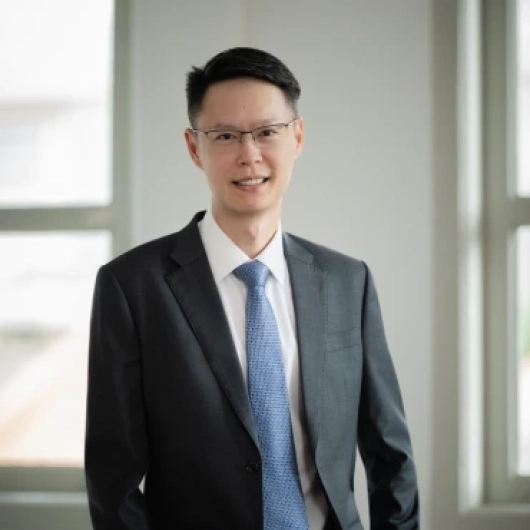
Dr Vincent Nga Diong Weng
Senior Consultant Neurosurgeon
Dr Vincent Nga is a Senior Consultant Neurosurgeon with clinical interests spanning adult and paediatric brain and spinal tumours, pituitary and skull base surgery, paediatric neurosurgery, minimally invasive and endoscopic neurosurgery, treatment of hydrocephalus and Gamma Knife radiosurgery.
He graduated from the National University of Singapore in 2007 and completed advanced neurosurgical training at National University Hospital. He subsequently undertook subspecialty training at Addenbrooke's Hospital, Cambridge, and a Clinical Fellowship in Paediatric Neurosurgery at The Hospital for Sick Children in Toronto. He is a Fellow of the Royal College of Surgeons of Edinburgh in Surgical Neurology and the Academy of Medicine, Singapore, and holds an MBA from NUS.
Our Approach to Neurosurgery
Care for Adults and Children
Neurosurgery at Nobel Brain & Spine Centre covers selected brain and spine conditions in both adults and children, including complex paediatric neurosurgical conditions.
Treatment Based on Your Condition
There is no single approach that is right for every neurological condition. Recommendations are based on your diagnosis, symptoms, imaging findings, medical history and overall health.
Minimally Invasive Options Where Suitable
Minimally invasive or endoscopic techniques may be considered when they are appropriate for the condition and individual patient.
Multidisciplinary Care When Required
Some brain and spine conditions involve more than one discipline of medicine. Where appropriate, care may involve collaboration with other specialists as part of the assessment and treatment process.
Frequently Asked Questions About Neurosurgery
A neurosurgeon specialises in conditions affecting the brain, spine and nervous system.
These may include brain and spinal tumours, pituitary and skull base conditions, hydrocephalus and selected congenital brain and spinal conditions affecting children.
If a brain tumour has been identified on an MRI, CT scan or other imaging test, a neurosurgical consultation can help assess its location, size and other characteristics.
Your neurosurgeon can then discuss the suitable treatment options, which may include monitoring, minimally invasive surgery, radiosurgery or open surgery.
Pituitary and skull base surgery treats conditions affecting the pituitary gland or structures around the base of the skull.
Depending on the nature of the condition, minimally invasive surgical options can enable surgeon to reach the area through the nasal passages for quicker recovery.
Your neurosurgeon will recommend a suitable approach based on your individual diagnosis.
Yes. Prof Nga has specialised training in paediatric neurosurgery and clinical interests that include paediatric brain and spinal tumours, hydrocephalus, neuroendoscopy, congenital conditions and selected spinal and epilepsy conditions.
If available, bring relevant medical information such as Referral letters, MRI or CT scan images, Previous test results, A list of your current medicines or any relevant medical records.
Having previous scans and reports available can help your neurosurgeon better understand your condition and determine whether further investigations are needed.
Coverage varies according to your insurance policy, diagnosis and recommended treatment.
Panel arrangements, referral requirements, pre-authorisation and coverage limits can also differ between insurers.
If you intend to use insurance for your consultation or treatment, check with your insurer before your appointment. This article can also help share insight on how your corporate health insurance could help manage some of your outpatient specialist consultation costs.
Our Specialist
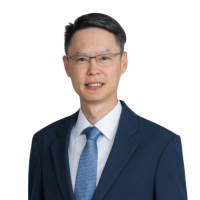
Dr Vincent Nga
Senior Consultant Neurosurgeon Senior consultant neurosurgeon specialising in adult and paediatric brain and spinal tumors, endoscopic pituitary and skull base surgery, paediatric neurosurgery, minimally invasive surgery and Gamma Knife radiosurgery.Available at

Nobel Brain & Spine Centre (Mount E Novena)